

Choosing Between Pergolas and Arbors: A Q&A Guide for Fort Worth Homeowners

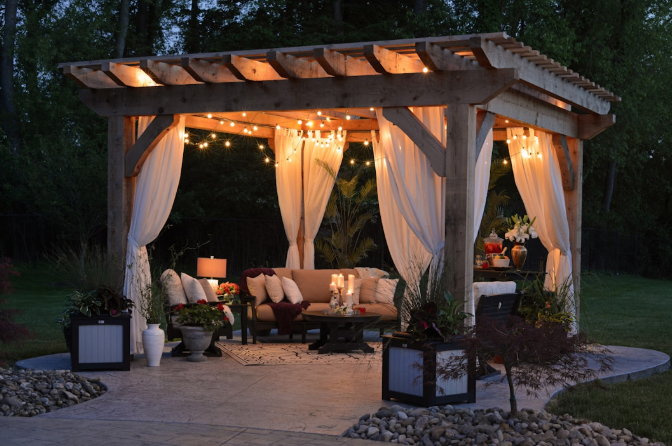
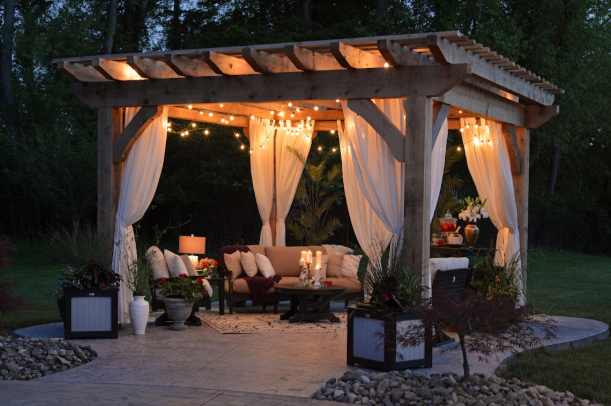
Cozy cedar pergola with string lights and outdoor seating in Fort Worth backyard

Enhancing your outdoor living space with custom pergolas and arbors can transform your Fort Worth home into a personal oasis. Texas Patio and Fence Co. specializes in crafting these elegant structures, offering not only aesthetic appeal but also practical benefits such as shade and comfort. Understanding the differences between pergolas and arbors is essential for choosing the right feature that complements your home and lifestyle. With expert insights on materials like cedar wood for its durability, this guide will help you make informed decisions on home improvement projects. Whether you’re drawn to the classic designs of arbors or the versatile benefits of pergolas, explore how these additions can add long-term value to your property.

Let’s start by clarifying the key features of pergolas and arbors, their main differences, and dispelling some common misconceptions about these outdoor structures.

Defining Pergolas and Arbors

Pergolas are freestanding outdoor structures consisting of columns supporting a roofing grid of beams and rafters. They’re often used to create a shaded walkway, passageway, or sitting area in a garden or landscape.

Arbors, on the other hand, are smaller structures typically used as an entrance to a garden or yard. They usually have two sides of lattice, post, or columns connected by an arch or flat top.

Both structures can be customized to fit your specific needs and preferences, enhancing the beauty and functionality of your outdoor space.

Key Differences Explained

The main differences between pergolas and arbors lie in their size, purpose, and design.

Pergolas are generally larger and more open, providing a defined outdoor living space. They’re perfect for creating an extended living area in your backyard, ideal for entertaining or relaxing.

Arbors are typically smaller and more enclosed, often serving as a decorative entrance or a support structure for climbing plants. They add a charming focal point to gardens and pathways.

While both can support climbing plants, pergolas offer more coverage and shade options, making them versatile for various outdoor activities.

Common Myths Debunked

One common myth is that pergolas and arbors are the same thing. As we’ve seen, they have distinct characteristics and purposes.

Another misconception is that these structures are purely decorative. In reality, both pergolas and arbors offer functional benefits like shade, plant support, and defining outdoor spaces.

Some believe these structures are difficult to maintain. However, with proper materials and construction, pergolas and arbors can be low-maintenance additions to your home, especially when built by professionals like Texas Patio and Fence Co.

Benefits of Outdoor Living Structures
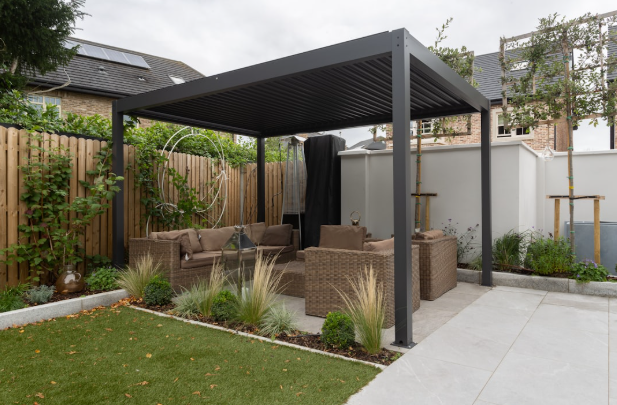
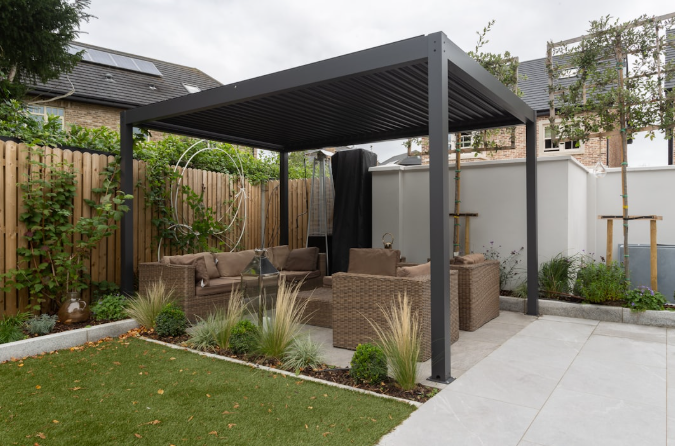
Modern metal pergola with wicker furniture in Fort Worth backyard

Outdoor living structures like pergolas and arbors can significantly enhance your home’s value and your quality of life. Let’s explore the specific benefits of each.

Pergola Benefits for Your Home

Pergolas offer numerous advantages to homeowners in Fort Worth. They create a defined outdoor living space, extending your home’s usable area.

Pergolas provide flexible shade options. You can adjust the amount of sun or shade by adding retractable canopies or training climbing plants over the structure.

These structures also increase property value. A well-designed pergola can be a selling point, attracting potential buyers who value outdoor living spaces.

Pergolas can be customized to match your home’s architecture, seamlessly blending with your existing exterior design. This cohesion enhances your home’s overall aesthetic appeal.

Arbor Designs That Stand Out

Arbors can transform your garden or yard into a picturesque paradise. They serve as beautiful entryways, creating a sense of anticipation and discovery.

These structures provide excellent support for climbing plants like roses, jasmine, or wisteria. As the plants grow, they intertwine with the arbor, creating a living sculpture in your garden.

Arbors can define different areas in your landscape, helping to organize your outdoor space. They can mark the transition between a lawn and a garden bed or separate different themed garden sections.

Custom arbor designs can reflect your personal style. From rustic wooden arches to elegant metal structures, arbors can be tailored to complement your home and garden aesthetic.

Enhancing Comfort and Shade

Both pergolas and arbors contribute significantly to outdoor comfort by providing shade and cooling effects. This is particularly valuable in the Fort Worth climate.

These structures create microclimates, offering refuge from direct sunlight and reducing ambient temperature. This makes your outdoor space more enjoyable, even during hot summer days.

By strategically placing a pergola or arbor, you can also protect your home from excess sun exposure, potentially reducing cooling costs.

The shade provided by these structures also protects outdoor furniture from sun damage, extending its lifespan and maintaining its appearance.

Choosing the Right Materials
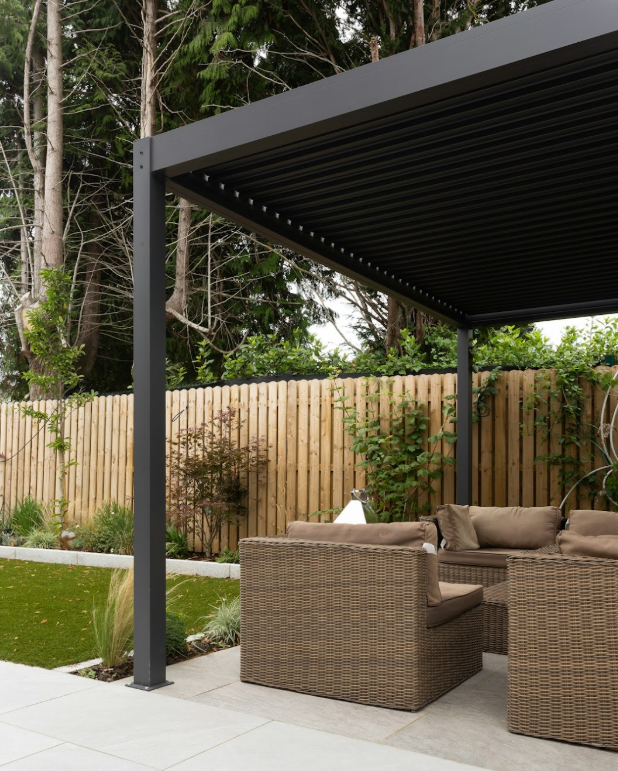
Cedar pergola with wicker patio furniture in Fort Worth backyard

Selecting the appropriate materials for your pergola or arbor is crucial for ensuring durability, aesthetic appeal, and low maintenance. Let’s explore some popular options.

Cedar Wood Durability

Cedar is a top choice for outdoor structures due to its natural durability and aesthetic appeal. It contains natural oils that resist decay and insect infestation.

This wood type is also naturally resistant to moisture, reducing the risk of warping or rotting. This characteristic makes it ideal for the varied climate conditions in Fort Worth.

Cedar ages beautifully, developing a silvery-gray patina over time if left untreated. Alternatively, it can be stained or sealed to maintain its original color.

The lightweight nature of cedar makes it easier to work with during construction, potentially reducing labor costs. Despite its light weight, cedar is strong and can withstand various weather conditions.

Material Options to Consider

While cedar is popular, there are other materials to consider for your pergola or arbor:

  1. Pressure-treated pine: An affordable option that resists decay and insects.
  2. Redwood: Similar to cedar in durability and appearance, but often more expensive.
  3. Aluminum: A low-maintenance option that doesn’t rust or rot.
  4. Vinyl: Requires minimal upkeep and comes in various colors and styles.

Each material has its pros and cons in terms of cost, maintenance, and aesthetics. The best choice depends on your specific needs, budget, and design preferences.

Maintenance Tips for Longevity

Proper maintenance can significantly extend the life of your pergola or arbor. Here are some key tips:

  • Regular cleaning: Remove debris and wash the structure annually.
  • Inspect annually: Check for loose fasteners, wood rot, or insect damage.
  • Reapply finish: For wooden structures, reapply stain or sealant every 2-3 years.
  • Trim plants: If you have climbing plants, keep them trimmed to prevent overgrowth.

By following these maintenance practices, you can ensure your outdoor structure remains beautiful and functional for many years to come.

The Role of Texas Patio and Fence Co.
Logo of Texas Patio and Fence

Texas Patio and Fence Co. is your trusted partner in creating beautiful and functional outdoor living spaces. Let’s explore how we can help bring your vision to life.

Our Custom Pergolas and Arbors

At Texas Patio and Fence Co., we specialize in creating custom pergolas and arbors tailored to your specific needs and preferences.

Our design process begins with a consultation to understand your vision, space requirements, and budget. We then create a custom design that perfectly complements your home and landscape.

We use high-quality materials and expert craftsmanship to ensure your structure is not only beautiful but also durable and long-lasting. Our team handles every aspect of the project, from design to installation, ensuring a seamless process.

Client Success Stories

Our clients’ satisfaction speaks volumes about our work. Here are a few success stories:

  • The Johnsons wanted a pergola to create an outdoor dining area. We designed and installed a cedar pergola with a retractable canopy, allowing them to enjoy al fresco meals in any weather.
  • For the Smiths, we created a custom arbor to showcase their prized roses. The wrought iron design provided sturdy support for the climbing plants while adding an elegant touch to their garden entrance.
  • The Garcias needed a large pergola to cover their pool deck. We designed a structure that provided ample shade and matched their home’s Mediterranean style.

These projects demonstrate our ability to turn our clients’ visions into reality, enhancing their outdoor living experiences.

Why Fort Worth Homeowners Choose Us

Fort Worth homeowners consistently choose Texas Patio and Fence Co. for several reasons:

  1. Local expertise: We understand Fort Worth’s climate and architectural styles, allowing us to create structures that truly belong.
  2. Quality craftsmanship: Our team of skilled artisans ensures every project is built to last.
  3. Custom designs: We don’t offer one-size-fits-all solutions. Each project is uniquely tailored to the client’s needs.
  4. Comprehensive service: From initial design to final installation, we handle every aspect of the project.
  5. Customer satisfaction: Our high rate of referrals and repeat customers speaks to our commitment to excellence.

Frequently Asked Questions

To help you make an informed decision, let’s address some common questions about pergolas and arbors.

Cost Considerations

The cost of a pergola or arbor can vary widely depending on several factors:

  • Size of the structure
  • Materials used (cedar, pressure-treated pine, aluminum, etc.)
  • Complexity of design
  • Additional features (built-in seating, lighting, etc.)

On average, a basic pergola might start around $2,000, while more elaborate custom designs can exceed $10,000. Arbors generally cost less due to their smaller size.

We offer free consultations to provide accurate quotes based on your specific requirements. Remember, investing in a quality structure can increase your property value and enhance your outdoor living experience.

Installation Timeframe

The installation timeframe for pergolas and arbors can vary based on the project’s complexity. Here’s a general timeline:

  1. Design and planning: 1-2 weeks
  2. Permit acquisition (if required): 1-3 weeks
  3. Material procurement: 1-2 weeks
  4. Construction and installation: 2-5 days for arbors, 1-2 weeks for pergolas

Overall, from initial consultation to completion, most projects take 4-8 weeks. We always strive to work efficiently while maintaining our high standards of quality.

Customization Options Available

At Texas Patio and Fence Co., we offer a wide range of customization options to ensure your pergola or arbor perfectly suits your needs and style:

  • Size and shape adjustments to fit your space
  • Various wood types and finishes
  • Metal or vinyl options for low-maintenance needs
  • Built-in features like seating or planters
  • Lighting installations for evening ambiance
  • Retractable canopies or shade cloth for pergolas
  • Decorative elements like scrollwork or lattice panels

Our design team will work closely with you to incorporate the features and aesthetics you desire, creating a truly unique outdoor structure that enhances your home and lifestyle.
Understanding Pergolas Versus Arbors: What Fort Worth Homeowners Need to Know

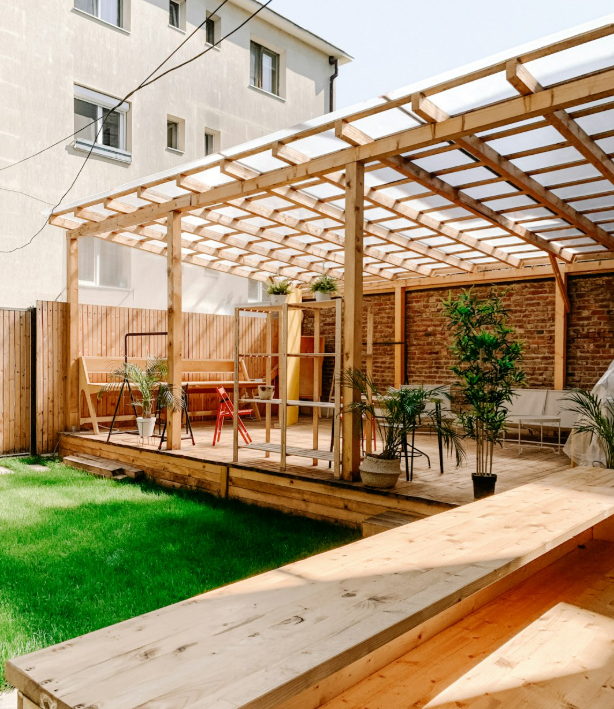
Modern wooden pergola with seating area and greenery in a Fort Worth backyard

Choosing the right outdoor structure can significantly enhance the beauty and functionality of your home, especially in Fort Worth, where outdoor living is a cherished part of the lifestyle. When it comes to pergolas and arbors, understanding the distinct features and benefits of each can help you make an informed decision that complements your space. Pergolas in Fort Worth offer open, airy designs that provide shade and an elegant framework for climbing plants, while arbors near me typically feature seating and roofs, creating intimate garden entryways. With expert advice and insights from the American Society of Landscape Architects, Fort Worth homeowners can confidently select the best materials and designs that suit their needs. Whether you’re looking to boost property value or simply enjoy more time in your backyard, Texas outdoor living solutions offer endless possibilities. 

Pergolas and arbors are popular outdoor structures that can transform your Fort Worth home’s exterior. Let’s explore their key differences, benefits, and popular design styles to help you make an informed decision for your outdoor space.

Key Differences Explained

Pergolas and arbors serve different purposes in outdoor design. Pergolas are larger structures that create defined outdoor living areas, while arbors are smaller and often used as entryways or focal points in gardens.

Pergolas typically feature an open roof design with beams or lattice work, providing partial shade and support for climbing plants. They’re ideal for creating outdoor rooms or covering patios.

Arbors, on the other hand, are usually arched or square-topped structures with a more enclosed feel. They’re perfect for framing garden paths or creating intimate seating areas.

Benefits of Outdoor Structures

Adding a pergola or arbor to your Fort Worth home can bring numerous advantages to your outdoor living experience.

These structures provide a balance of sun and shade, making your outdoor space more comfortable throughout the day. They also offer support for climbing plants, allowing you to incorporate more greenery into your landscape design.

Pergolas and arbors can define specific areas in your yard, creating visual interest and improving the overall aesthetics of your property. They also provide a sense of privacy and can serve as a backdrop for outdoor entertaining.

Additionally, these structures can increase your home’s value by enhancing its curb appeal and expanding usable outdoor living space.

Popular Design Styles

When it comes to pergolas and arbors, there are various design styles to suit different architectural preferences and landscape designs.

Traditional styles often feature classic wood construction with ornate details, complementing colonial or craftsman-style homes. Modern designs may incorporate sleek lines and materials like metal or composite for a contemporary look.

Rustic pergolas and arbors use natural materials and rough-hewn finishes, perfect for creating a cozy, cabin-like atmosphere. Mediterranean-inspired designs often include arched openings and terracotta accents.

For inspiration, check out these stunning pergola designs on Pinterest. Remember to choose a style that complements your home’s architecture and your personal taste.

Finding Quality Pergolas in Fort Worth

When searching for the perfect pergola for your Fort Worth home, it’s essential to consider local suppliers, installation tips, and proper maintenance to ensure long-lasting enjoyment of your outdoor structure.

Trusted Local Suppliers

Logo of Texas Patio and Fence

Finding a reputable supplier for pergolas in Fort Worth is crucial to ensure quality materials and craftsmanship. Look for companies with a strong local presence and positive customer reviews.

Ask potential suppliers about their experience with Fort Worth’s climate and building codes. A knowledgeable supplier can guide you through the selection process and offer custom solutions.

Consider visiting showrooms or completed projects to see the quality of materials and workmanship firsthand. Don’t hesitate to ask for references from previous customers in the Fort Worth area.

Installation Tips for Fort Worth Homes

Proper installation is key to ensuring your pergola withstands Fort Worth’s weather conditions and provides lasting enjoyment. Here are some tips to keep in mind:

  1. Obtain necessary permits from the City of Fort Worth before beginning installation.
  2. Choose a level area with good drainage to prevent water accumulation.
  3. Use weather-resistant materials and hardware suitable for Texas climate.
  4. Ensure proper anchoring to withstand strong winds common in the area.
  5. Consider professional installation for complex designs or if you’re unsure about DIY methods.

Maintenance and Care

Regular maintenance will keep your pergola looking great and extend its lifespan in Fort Worth’s climate.

Clean your pergola annually with a mild detergent and water solution to remove dirt and debris. Inspect for any loose hardware or signs of wear, tightening or replacing components as needed.

For wooden pergolas, apply a protective sealant every 2-3 years to guard against moisture and UV damage. Metal structures may require touch-up paint to prevent rust.

Trim any climbing plants regularly to prevent overgrowth that could damage the structure. Remove debris from the roof area to maintain proper drainage and prevent moisture buildup.

Choosing the Right Materials

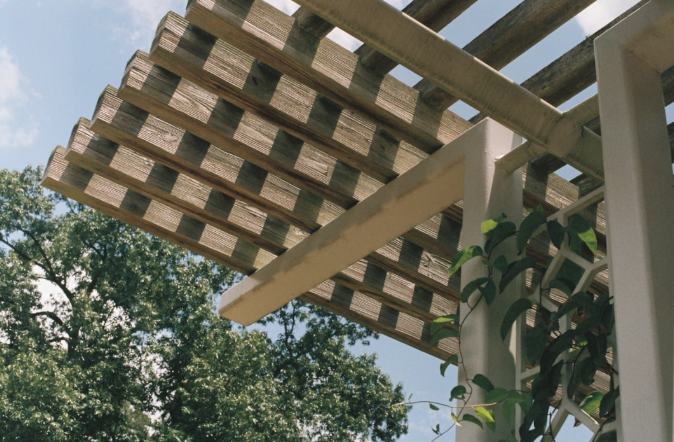
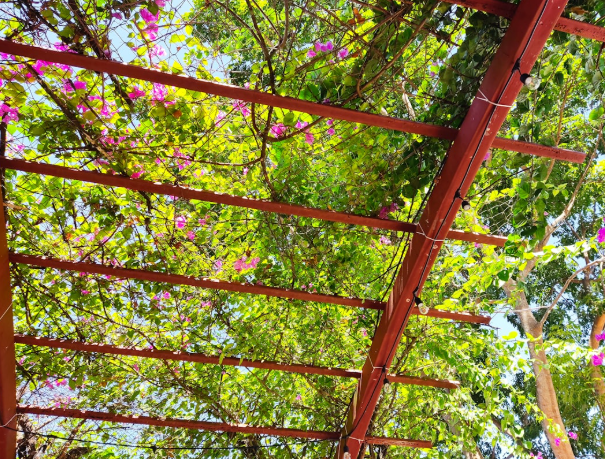
Pergola with wooden beams and flowering vines providing natural shade

Selecting the appropriate materials for your pergola is crucial for its longevity and appearance in Fort Worth’s unique climate. Let’s explore the best options and considerations for your outdoor structure.

Best Pergola Materials for Texas

When choosing materials for pergolas in Fort Worth, durability and weather resistance are key factors to consider.

Cedar and redwood are popular choices due to their natural resistance to decay and insects. These woods also withstand Texas heat well and develop a beautiful patina over time.

For a low-maintenance option, consider composite materials that mimic the look of wood without the need for regular staining or sealing. These materials are resistant to fading, warping, and insect damage.

Aluminum pergolas offer excellent durability and require minimal maintenance, making them ideal for withstanding Fort Worth’s varied weather conditions.

Comparing Wood and Metal Options

Here’s a comparison of wood and metal options for pergolas:

MaterialProsCons
WoodNatural look, customizable, affordableRequires regular maintenance, can warp or rot
MetalDurable, low maintenance, weather-resistantCan be more expensive, limited design options

Wood pergolas offer a classic, warm appearance and can be easily customized. However, they require regular maintenance to prevent weather damage.

Metal pergolas, particularly aluminum, are highly durable and require little upkeep. They’re resistant to rust and can withstand harsh weather conditions, but may have fewer design options compared to wood.

Weather Considerations for Durability

Fort Worth’s climate presents unique challenges for outdoor structures. Consider these weather factors when choosing pergola materials:

  • Hot summers: Select materials that won’t warp or fade in intense heat and sunlight.
  • Occasional freezes: Ensure your chosen material can withstand temperature fluctuations without cracking.
  • Strong winds: Opt for sturdy materials and proper anchoring to prevent damage during storms.
  • High humidity: Choose materials resistant to moisture to prevent rot and mold growth.

By selecting materials suited to Fort Worth’s climate, you’ll ensure your pergola remains beautiful and functional for years to come.

Enhancing Property Value

Adding a pergola to your Fort Worth home can significantly boost its value and appeal. Let’s explore the benefits, design standards, and success stories associated with these outdoor structures.

Home Improvement Benefits

Incorporating a pergola into your outdoor space can yield numerous benefits that enhance your property’s value.

Pergolas create additional living space, effectively expanding your home’s usable square footage. This added outdoor room can be a significant selling point for potential buyers.

These structures also improve curb appeal, giving your home a more polished and inviting appearance from the street. A well-designed pergola can set your property apart in the competitive Fort Worth real estate market.

Energy efficiency is another benefit, as pergolas provide shade that can help reduce cooling costs during hot Texas summers.

Expert Design Standards

The American Society of Landscape Architects recommends following these design standards for pergolas:

  • Scale: Ensure the pergola’s size complements your home and yard without overwhelming the space.
  • Proportion: Maintain a balanced ratio between the pergola’s height, width, and depth.
  • Materials: Choose high-quality, weather-resistant materials that match your home’s style.
  • Functionality: Design the pergola to serve its intended purpose, whether for shade, entertaining, or supporting plants.
  • Integration: Seamlessly blend the pergola with existing landscaping and architectural elements.

Adhering to these standards will result in a pergola that not only looks great but also adds maximum value to your property.

Case Studies and Success Stories

Real estate professionals in Fort Worth have reported positive impacts of pergolas on home values. Here are some key findings:

  • A study of 50 Fort Worth homes found that those with pergolas sold for an average of 7% more than comparable homes without.
  • One Fort Worth family reported a 150% return on investment after adding a custom cedar pergola to their backyard.
  • A local realtor noted that homes with well-designed outdoor living spaces, including pergolas, typically spend 30% less time on the market.

These success stories demonstrate the tangible value that a thoughtfully designed pergola can add to your Fort Worth home.

Frequently Asked Questions

To help Fort Worth homeowners make informed decisions about pergolas and arbors, we’ve compiled answers to some common questions.

Pergola vs. Arbor: A Comparison

Pergolas and arbors serve different purposes in landscape design. Here’s a quick comparison:

  • Size: Pergolas are typically larger, creating outdoor rooms. Arbors are smaller, often used as entryways.
  • Structure: Pergolas have an open roof with beams. Arbors usually have a more enclosed, arched top.
  • Function: Pergolas define larger spaces for seating or dining. Arbors frame pathways or create small seating nooks.
  • Plant support: Both support climbing plants, but pergolas offer more extensive coverage.

Choose based on your specific needs and the available space in your Fort Worth yard.

Selecting Wood for Texas Conditions

When choosing wood for outdoor structures in Texas, consider these options:

  • Cedar: Naturally resistant to decay and insects, ideal for Texas climate.
  • Redwood: Durable and weather-resistant, but more expensive.
  • Pressure-treated pine: Affordable and treated to resist rot, but may require more maintenance.

For best results in Fort Worth’s climate, opt for cedar or redwood if budget allows. These woods withstand heat and humidity well while providing natural beauty.

Common Installation Questions

Here are answers to frequently asked installation questions:

  1. Do I need a permit? Yes, Fort Worth typically requires permits for pergolas. Check with the city’s building department for specific requirements.
  2. How deep should support posts be? Generally, posts should be buried at least 1/3 of their above-ground height, with a minimum depth of 2 feet.
  3. Can I install a pergola myself? While DIY is possible for simple designs, professional installation is recommended for complex structures or if you’re unsure about the process.
  4. How long does installation take? Professional installation usually takes 1-3 days, depending on the pergola’s size and complexity.
  5. Can pergolas be attached to my house? Yes, but this requires careful planning and may need additional permits. Consult a professional for proper attachment methods.

Pergolas vs. Arbors: A Homeowner’s Guide to Outdoor Design in Texas

Modern pergola with wicker seating in a landscaped Texas backyard.

When it comes to enhancing your outdoor living spaces in Texas, the choice between pergolas and arbors can significantly influence the aesthetic and functionality of your home. Both structures offer unique benefits and styles that cater to varying tastes and needs, making them popular options for homeowners aiming to create beautiful and practical outdoor areas. This guide will delve into the specifics of each design, considering the best materials suited for Texas’s climate and the practical considerations that come with installation. By consulting authoritative sources and expert advice, we aim to provide you with a comprehensive understanding of how pergolas and arbors can elevate your home improvement projects. Whether you’re seeking to add charm with arbors for homes or exploring pergola materials that withstand Texas weather, this article is crafted to help you make informed and confident decisions.

In this section, we’ll explore the key differences between pergolas and arbors, the benefits they bring to outdoor spaces, and how to select the right structure for your Texas home.

Difference Between Pergolas and Arbors

Pergolas and arbors are distinct outdoor structures that enhance your landscape in unique ways. Pergolas typically cover larger areas, providing a defined outdoor living space. They consist of vertical posts supporting a roofing grid of beams and rafters, often left open or covered with fabric or vines.

Arbors, on the other hand, are smaller and serve as decorative entryways or focal points in gardens. They usually feature two or four posts with an overhead structure, often arched, and are designed to support climbing plants.

The choice between a pergola and an arbor depends on your specific needs and the layout of your outdoor space. Pergolas are ideal for creating outdoor rooms, while arbors excel at framing pathways or garden features.

Benefits of Outdoor Structures

Adding a pergola or arbor to your Texas home can transform your outdoor living experience. These structures provide numerous benefits that enhance both the functionality and aesthetic appeal of your property.

Pergolas offer shade and shelter, creating comfortable spaces for relaxation and entertainment. They can extend your living area, providing a perfect spot for outdoor dining or lounging. Additionally, pergolas can increase property value and improve energy efficiency by reducing direct sunlight on your home.

Arbors, while smaller, add charm and character to your garden. They create inviting entryways, support climbing plants, and serve as eye-catching focal points. Arbors can also help define different areas within your landscape, guiding visitors through your outdoor space.

Both structures offer opportunities for personalization, allowing you to express your style and complement your home’s architecture.

Selecting the Right Structure

Choosing between a pergola and an arbor requires careful consideration of your outdoor space, lifestyle needs, and design preferences. Start by assessing the available area and its intended use. If you’re looking to create an outdoor living room or patio cover, a pergola might be the better choice.

Consider your home’s architectural style and how the structure will complement it. Traditional homes often pair well with classic arbor designs, while modern houses may benefit from sleek, contemporary pergolas.

Think about maintenance requirements and your willingness to care for climbing plants. Arbors are often designed to support vines, which can require regular pruning and care. Pergolas in Texas can be left bare or outfitted with retractable canopies for easier maintenance.

Design Options for Texas Homes

Wooden arbor with lattice detail and climbing plants in a Texas backyard.

Explore popular styles, customization possibilities, and ways to enhance the aesthetic appeal of your outdoor space with pergolas and arbors.

Popular Styles and Trends

Texas homeowners have a wide array of pergola and arbor styles to choose from, each offering unique charm and functionality. Contemporary designs featuring clean lines and minimal ornamentation are gaining popularity, especially in urban areas.

Rustic and farmhouse-inspired structures remain a favorite in suburban and rural settings. These styles often incorporate natural wood textures and wrought iron accents, creating a warm and inviting atmosphere.

Mediterranean-inspired pergolas with arched tops and decorative columns are also trending, perfectly complementing Spanish-style homes common in parts of Texas. For a touch of elegance, Victorian-style arbors with intricate latticework continue to be a timeless choice for garden enthusiasts.

Customization Possibilities

Personalizing your pergola or arbor allows you to create a truly unique outdoor space that reflects your style and meets your specific needs. Size and shape customization is a primary consideration, ensuring the structure fits perfectly within your landscape.

Material selection offers another avenue for customization. While wood remains popular, metal and vinyl options provide durability and low maintenance. You can also mix materials, such as combining a metal frame with wood rafters for a modern rustic look.

Lighting integration is an excellent way to extend the usability of your outdoor space into the evening hours. Consider built-in LED strips, hanging lanterns, or string lights to create ambiance. Additionally, you can incorporate features like built-in seating, privacy screens, or even outdoor kitchen elements to maximize functionality.

Enhancing Aesthetic Appeal

A well-designed pergola or arbor can significantly boost your home’s curb appeal and create a stunning focal point in your landscape. To enhance the aesthetic appeal, consider the overall color scheme of your outdoor space and choose a finish that complements or contrasts effectively.

Incorporating climbing plants is a classic way to soften the structure and add natural beauty. Wisteria, jasmine, and bougainvillea thrive in Texas climates and can create a lush, romantic atmosphere. For a low-maintenance option, consider adding outdoor curtains or drapes to your pergola for a touch of luxury and privacy.

Accessorizing your structure can also elevate its visual impact. Hanging planters, decorative outdoor art pieces, or even a stylish outdoor fan can add personality and charm to your pergola or arbor, making it a true extension of your home’s interior style.

Choosing the Best Materials

Selecting the right materials for your pergola or arbor is crucial for longevity and performance in the Texas climate. Let’s explore suitable options and considerations.

Pergola Materials for Texas Weather

When selecting materials for pergolas in Texas, durability and weather resistance are key factors. Cedar is a popular choice due to its natural resistance to rot and insects. It also weathers beautifully, developing a silver-gray patina over time.

Treated pine offers affordability and good weather resistance when properly maintained. For those seeking a low-maintenance option, aluminum pergolas provide excellent durability and can be powder-coated in various colors to match your home’s exterior.

Vinyl pergolas are another low-maintenance choice, offering resistance to UV rays and moisture. They come in a variety of colors and styles, making it easy to find one that complements your home’s architecture.

Arbor Durability and Maintenance

Arbors, often smaller and more exposed to the elements, require materials that can withstand Texas weather while maintaining their aesthetic appeal. Wrought iron arbors offer classic elegance and exceptional durability, though they may require periodic repainting to prevent rust.

Composite materials, made from a blend of wood fibers and plastic, provide the look of wood with minimal maintenance. These arbors resist rot, insects, and fading, making them ideal for Texas climates.

For a natural look, redwood arbors offer excellent durability and resist decay naturally. Regular sealing can help maintain their rich color and protect against moisture damage.

Eco-Friendly and Sustainable Choices

As environmental concerns grow, many homeowners are opting for eco-friendly materials for their outdoor structures. Reclaimed wood pergolas and arbors offer a sustainable option with unique character and charm. Each piece tells a story and reduces demand for new lumber.

Bamboo, while less common, is gaining popularity as a renewable resource for outdoor structures. It grows quickly and offers strength comparable to many hardwoods. Bamboo pergolas and arbors can provide a distinctive, tropical feel to your Texas landscape.

For metal structures, look for options made from recycled aluminum or steel. These materials can be recycled again at the end of their lifespan, reducing environmental impact.

Local Installation and Services

Finding the right professionals to bring your pergola or arbor vision to life is crucial. This section will guide you through the process of selecting and working with local contractors.

Finding Reliable Contractors

Locating a trustworthy contractor for your pergola or arbor project is essential for ensuring quality workmanship and a smooth installation process. Start by researching local companies specializing in outdoor structures. Look for contractors with experience specifically in pergolas and arbors for Texas homes.

Check online reviews and ratings on platforms like Angi, HomeAdvisor, or local business directories. Pay attention to comments about reliability, communication, and the quality of finished projects. Don’t hesitate to ask for references from past clients.

Consider reaching out to local home improvement stores or lumber yards for recommendations. Many have relationships with reputable contractors and can provide valuable insights. Remember to verify that any contractor you’re considering is licensed, insured, and familiar with local building codes and permit requirements.

Cost Considerations and Quotes

Understanding the costs associated with pergola and arbor installation helps you budget effectively and avoid surprises. Factors influencing the price include the size of the structure, materials used, complexity of design, and any additional features or customizations.

When requesting quotes, be sure to get detailed, itemized estimates from at least three different contractors. This allows you to compare costs accurately and understand what’s included in each proposal. Don’t automatically choose the lowest bid; consider the contractor’s reputation and the quality of materials offered.

Be clear about your budget upfront, and discuss options for phasing the project or alternative materials if needed. Many contractors offer financing options, which can help make your project more affordable.

Importance of Professional Installation

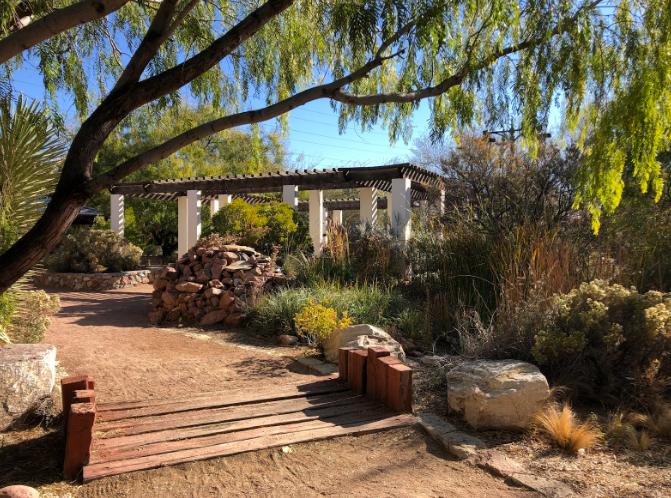
Mediterranean-style pergola professionally installed in a landscaped Texas garden.

While DIY projects can be tempting, professional installation of pergolas and arbors offers numerous benefits. Experienced contractors bring expertise in structural integrity, ensuring your outdoor addition is safe and built to last. They’re familiar with local building codes and can handle necessary permits.

Professional installation often comes with warranties on both labor and materials, providing peace of mind. Contractors have access to specialized tools and equipment, allowing for efficient and precise installation. They can also address site-specific challenges, such as uneven terrain or the need for custom footings.

Opting for professional installation can save you time and potential frustration, especially for larger or more complex projects. It ensures that your new pergola or arbor is a beautiful, lasting addition to your Texas home.

Frequently Asked Questions

Address common queries about pergolas and arbors to help homeowners make informed decisions.

Common Cost Queries

How much does a typical pergola or arbor cost in Texas?

The cost of pergolas and arbors in Texas can vary widely based on size, materials, and design complexity. On average, a basic wood pergola might start around $2,000, while more elaborate designs or those using premium materials can exceed $10,000.

Arbors generally cost less due to their smaller size, with prices starting around $500 for simple prefabricated models and ranging up to $5,000 or more for custom designs.

Factors that can influence cost include:

  • Size of the structure
  • Material choice (wood, vinyl, metal, etc.)
  • Custom design elements
  • Site preparation requirements
  • Professional installation fees

Always get multiple quotes from reputable contractors to ensure you’re getting a fair price for your specific project.

Maintenance Tips and Tricks

Proper maintenance is key to extending the life and beauty of your pergola or arbor. Here are some essential tips:

For wood structures:

  • Apply a protective sealant every 2-3 years
  • Check for and repair any loose screws or bolts annually
  • Inspect for signs of rot or insect damage regularly

For metal structures:

  • Clean with mild soap and water periodically
  • Touch up any scratches or chips in the finish promptly
  • Apply a rust inhibitor if recommended by the manufacturer

For vinyl structures:

  • Wash with soap and water as needed
  • Avoid using abrasive cleaners that could damage the surface
  • Check for any cracks or damage annually

Regular pruning of climbing plants helps maintain the structure’s integrity and appearance. Remove debris from the top of the structure after storms to prevent moisture buildup.

Customization Options Explained

Customizing your pergola or arbor allows you to create a unique outdoor space that perfectly suits your needs and style. Popular customization options include:

  1. Size and shape adjustments to fit your specific space
  2. Material choices, including wood types, metal finishes, or composite options
  3. Roofing additions, such as retractable canopies or polycarbonate panels
  4. Built-in features like benches, planters, or outdoor kitchen elements
  5. Lighting integration, from simple string lights to sophisticated LED systems

Color customization is another way to personalize your structure. Many homeowners choose to match their pergola or arbor to their home’s trim or select a complementary accent color.

For arbors, consider adding decorative elements like scrollwork, lattice panels, or even a small gate. These touches can transform a simple arbor into a charming garden focal point.

Remember that while customization can enhance your outdoor space, it may also impact the overall cost and installation time of your project. Discuss your ideas with your chosen contractor to understand feasibility and budget implications.