

Benefits of Pergolas and How to Choose the Best Contractor in Fort Worth

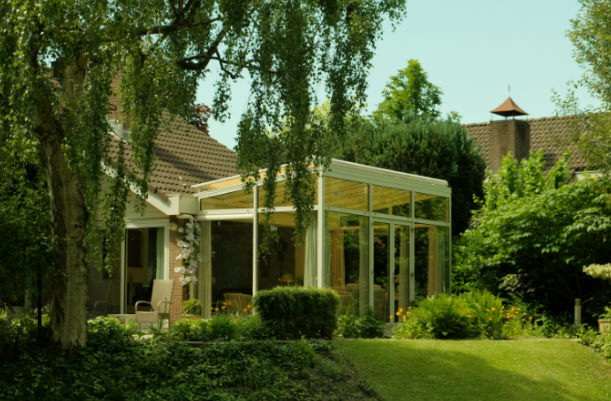
Backyard pergola attached to a home surrounded by greenery in Fort Worth

Finding reliable pergola contractors Fort Worth can feel like searching for a needle in a haystack. You want to enjoy the benefits of pergolas without the stress of poor workmanship or hidden costs. This guide breaks down how to choose a contractor, what materials work best, and maintenance tips to keep your pergola looking great for years. Keep reading to get clear answers to your most common questions about pergola installation in Fort Worth.

Benefits of Pergolas

A pergola can completely change how you use your outdoor space, making it more practical and enjoyable throughout the year.

Enhancing Outdoor Spaces

Pergolas turn basic backyards into stunning outdoor living areas. They create a focal point that draws the eye and defines your space with purpose.

Your backyard transforms from an open area into a structured room when you add a pergola. This outdoor structure frames your patio, giving you a sense of being in a special place while still enjoying the open air. Many Fort Worth homeowners use pergolas to create outdoor dining rooms, reading nooks, or entertainment areas.

The vertical elements of pergolas also give you options for hanging plants, lights, or outdoor curtains. These additions make your space feel more personal and lived-in. Think about how string lights draped across pergola beams create a magical evening atmosphere for gatherings with friends and family.

Increasing Property Value

Adding a pergola boosts your home’s market appeal and can increase its selling price by 5-12%.

Buyers often pay more for homes with defined outdoor living spaces. A well-built pergola shows potential buyers that the home offers more usable square footage than just the indoor areas. This extra “room” outdoors helps your property stand out in the competitive Fort Worth real estate market.

Real estate agents point to outdoor structures as key selling features. When comparing two similar homes, the one with a quality pergola often sells faster and for more money. This makes pergolas one of the smartest outdoor investments for homeowners who might sell in the future.

Your pergola works as a 24/7 silent salesperson when your home is on the market. It helps buyers picture themselves enjoying your outdoor space, creating an emotional connection that often leads to higher offers.

Providing Shade and Comfort

Texas heat demands smart shade solutions, and pergolas deliver cooling relief exactly where you need it most.

A properly designed pergola cuts direct sunlight by up to 75% while still allowing breezes to flow through. This balance makes pergolas perfect for Fort Worth’s climate, where you want some protection without feeling boxed in or cut off from the outdoors.

You can adjust your shade levels by adding retractable canopies or growing vines on your pergola. This flexibility lets you control how much sun reaches your space throughout the day. During summer months, more coverage keeps temperatures manageable, while in winter, you might want more sunlight to warm the area.

The psychological comfort of having a defined space also matters. Sitting under a pergola feels more secure than being in a wide-open yard, creating what designers call a “sense of enclosure” that makes people feel naturally at ease.

Choosing the Right Contractor
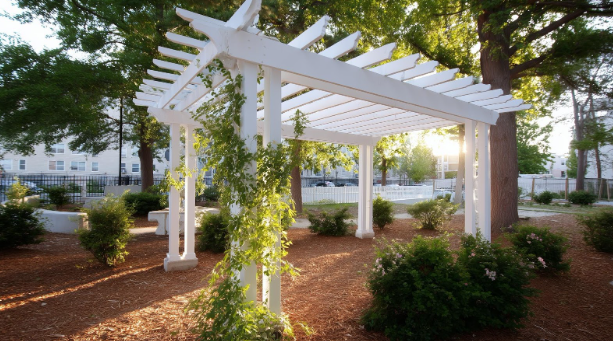
White outdoor pergola with climbing vines in a landscaped garden in Fort Worth

Finding the perfect pergola builder makes all the difference between a structure that lasts decades and one that causes headaches.

Evaluating Experience and Expertise

The best pergola contractors show proof of their skills through completed projects and happy customers.

Look for builders who specialize in outdoor structures rather than general contractors who build pergolas as a side service. Specialists understand the unique challenges of outdoor construction in Fort Worth’s climate, from proper foundation work to material selection that withstands Texas weather extremes.

Ask potential contractors how many pergolas they’ve built in the last year. Experienced builders should easily share photos of at least 10-15 recent pergola projects. This portfolio tells you they’re actively building these structures and refining their techniques.

Pay attention to design skills too. A great pergola contractor doesn’t just construct, they help you create a structure that fits your home’s style. During initial meetings, notice if they ask questions about your home’s architecture and your personal preferences. The best contractors will sketch ideas or show 3D renderings before building begins.

Checking Licenses and Insurance

Proper credentials protect you from financial and legal problems if something goes wrong during your pergola project.

Always verify that your pergola contractor carries general liability insurance with coverage of at least $1 million. This insurance protects your property if accidents happen during construction. Ask to see the actual certificate and call the insurance company to confirm it’s active.

Fort Worth contractors need specific permits for permanent outdoor structures. Reputable builders will know exactly which permits your project requires and include handling this paperwork in their service. Be wary of any contractor who suggests skipping permits to save money, this often leads to problems when selling your home later.

Worker’s compensation insurance is another must-have. Without it, you could be liable for medical bills if someone gets hurt while building your pergola. This simple check separates professional operations from casual builders who might leave you exposed to risks.

Reading Reviews and Testimonials

What past customers say reveals the true quality of a pergola contractor’s work and service.

Start with online reviews on platforms like Yelp, but look beyond star ratings. Read the detailed comments to understand what made customers happy or frustrated. Pay special attention to how contractors handled problems, even good builders face challenges, but great ones solve them quickly.

Ask contractors for references from projects similar to yours. Then actually call these customers and ask specific questions: Was the project completed on time? Did the final cost match the estimate? How has the pergola held up over time? These conversations often reveal insights you won’t find in written reviews.

Look for patterns in feedback rather than focusing on single opinions. If multiple customers mention the same strengths or problems, you’ve likely found a consistent trait of that business. The best pergola contractors in Fort Worth have a clear pattern of satisfied customers who specifically praise communication, craftsmanship, and follow-through.

Pergola Materials
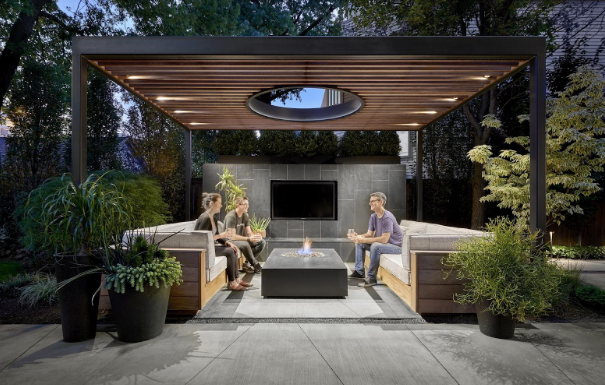
Modern metal pergola with seating area and fire pit in a landscaped backyard

The materials you choose determine how your pergola looks, how long it lasts, and how much care it needs over time.

Wood, Metal, and Vinyl Options

Each pergola material offers unique benefits that might make it perfect for your specific needs.

Wood pergolas bring natural warmth and character to your outdoor space. Cedar remains the top choice for Fort Worth pergolas because it naturally resists insects and rot while handling our humid climate well. Pressure-treated pine offers a more budget-friendly option but typically needs more maintenance. For luxury projects, redwood and ipe provide stunning looks with excellent durability.

Metal pergolas, usually aluminum or steel, offer modern style with minimal upkeep. Aluminum won’t rust and comes in many colors, making it popular for contemporary homes. Steel provides superior strength for larger spans and can be powder-coated in any color to match your home’s exterior.

Vinyl pergolas require almost no maintenance and won’t crack, peel, or fade in the Texas sun. While they cost more upfront than some options, many Fort Worth homeowners choose vinyl for its long-term value. Modern vinyl products come in textures that convincingly mimic wood grain while eliminating the need for staining or painting.

Comparing Durability and Aesthetic

The right material balances looks and longevity based on your specific property and preferences.

Cedar pergolas typically last 15-20 years with proper care, bringing natural beauty that ages into a distinguished silver-gray if left unstained. This material feels authentic and connects your outdoor space to nature. Cedar works particularly well with traditional home styles and ranch properties throughout Fort Worth.

Metal options can last 30+ years with minimal maintenance. Aluminum won’t rust but can dent more easily than steel. The clean lines of metal pergolas complement modern architecture and create striking visual contrast against greenery and stonework. Many Fort Worth homeowners choose metal for poolside pergolas where water resistance matters.

Vinyl stands as the longest-lasting option at 30-50 years without fading or deteriorating. While early vinyl products looked obviously plastic, today’s high-end vinyl convincingly mimics wood grain textures. This material pairs well with newer homes and neighborhoods where homeowner associations have strict maintenance requirements.

Consider how each material ages. Wood develops character, metal maintains its original appearance with occasional cleaning, and vinyl stays essentially unchanged for decades.

Cost Considerations

Smart budgeting for your pergola means looking beyond the initial price tag to understand total ownership costs.

Cedar pergolas typically cost $25-45 per square foot installed, with most Fort Worth homeowners spending $5,000-9,000 total. While cedar costs more than pressure-treated pine upfront, it lasts longer with fewer problems, often making it more economical long-term. Factor in staining every 2-3 years at about $500-800 each time.

Aluminum pergolas range from $35-60 per square foot installed, putting most projects in the $7,000-12,000 range. Though this exceeds wood’s initial cost, you’ll save on maintenance. Most metal pergolas need only occasional washing and might require repainting after 15+ years.

Vinyl sits at the premium end at $40-70 per square foot installed, with total projects typically running $8,000-14,000. This higher upfront investment buys decades of worry-free enjoyment with virtually no maintenance costs beyond occasional cleaning with soap and water.

Be wary of estimates that seem too good to be true. Quality pergola contractors in Fort Worth price fairly based on material costs, proper construction techniques, and fair labor rates. Extremely low bids often lead to cut corners that create expensive problems later.

Pergola Maintenance Tips

Proper care extends your pergola’s life and keeps it looking great through years of Texas weather extremes.

Regular Cleaning and Inspection

Simple routine care prevents most pergola problems before they start.

Clean your pergola at least twice yearly using methods appropriate for your material. For wood, gentle pressure washing removes dirt, pollen, and mildew. Metal pergolas need wiping with mild soap solution to remove bird droppings and dust. Vinyl requires just a garden hose spray in most cases, with spot cleaning using dish soap for stubborn marks.

Check for loose fasteners during your cleaning routine. Weather and natural wood movement can gradually loosen screws and bolts. Tightening these connections takes just minutes but prevents structural problems that could require major repairs later. Keep a screwdriver and wrench in your garden storage for these quick fixes.

Inspect for early signs of problems like wood rot, rust spots on metal, or cracking in vinyl components. Catching these issues early typically means simple, inexpensive repairs rather than major structural work. Pay special attention to places where different materials meet, like where pergola posts connect to concrete footings or where beams join support columns.

Handling Repairs and Upkeep

Addressing small issues promptly prevents them from becoming expensive problems.

For wood pergolas, replace any boards showing signs of severe cracking or rot. Small cracks can be filled with exterior wood putty, but boards with structural damage need replacement. Keep a few extra pieces of your pergola wood in storage for these repairs so new sections will match your existing structure.

Metal pergolas might develop scratches that expose the base material to moisture. Touch up these areas with manufacturer-recommended paint to prevent rust from forming. For aluminum, simple cleaning usually resolves surface issues, while steel might need more attention to prevent corrosion.

Vinyl repairs usually involve replacing damaged sections rather than trying to fix them. The good news is that vinyl rarely develops problems unless physically damaged by falling branches or similar impacts. Most vinyl pergola manufacturers offer replacement parts that match your original components exactly.

Watch for plant growth that could damage your pergola. Vines can be beautiful but need management to prevent them from working into joints or creating too much weight. Trim back tree branches that hang over your pergola to reduce debris buildup and the risk of storm damage.

Seasonal Care Advice

Your pergola needs different attention as Fort Worth’s seasons change throughout the year.

Spring calls for thorough cleaning to remove winter grime and pollen. This is the perfect time to inspect for any damage from winter storms and make repairs before the outdoor living season begins. For wood pergolas, spring often marks the ideal time for applying new stain or sealer when temperatures stay between 50-85 degrees with low humidity.

Summer heat in Fort Worth can be tough on outdoor structures. During this season, check that any fabric canopies remain securely fastened to prevent wind damage. Clean bird droppings promptly as they can become difficult to remove after baking in the sun. Consider adding misters or fans to your pergola to make it more comfortable during the hottest months.

Fall means clearing leaves and debris that collect on top of your pergola. Left in place, this organic matter holds moisture against your structure and can lead to mold or rot. Pay special attention to any scuppers or drainage points to ensure water flows freely away from your pergola during autumn rains.

Winter preparation includes removing and storing any fabric elements and checking that your structure can handle potential ice or snow loads. While Fort Worth winters are generally mild, the occasional freeze can affect your pergola, particularly if water gets trapped in joints or crevices where it can expand when frozen.

FAQ Pergola Installation
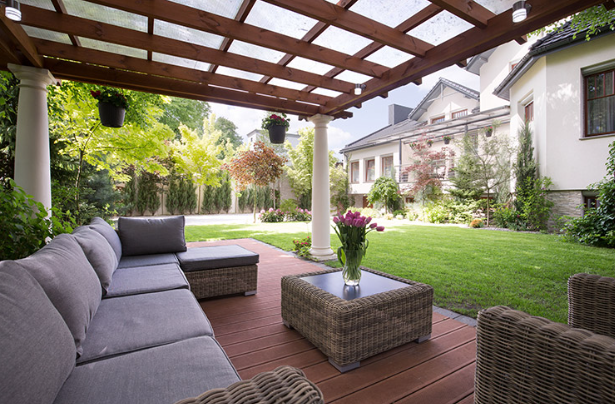
backyard-covered-pergola-outdoor-seating-fort-worth-installation

These answers address the most common questions Fort Worth homeowners ask when planning a pergola project.

Cost of Pergola Installation

Pergola pricing depends on size, materials, and design complexity, with most Fort Worth projects falling within predictable ranges.

Basic pergolas covering 10’x10′ areas typically cost $4,000-$7,000 installed. These simpler designs use standard materials like pressure-treated pine or cedar with minimal customization. They provide shade and structure but fewer special features or architectural details.

Mid-range projects covering 12’x16′ areas usually run $7,000-$12,000. These pergolas often feature better materials like select cedar grades, aluminum, or vinyl. They might include extras like built-in lighting, fan mounts, or custom post designs that complement your home’s architecture.

Premium pergolas covering larger areas or incorporating luxury features can cost $12,000-$20,000+. These high-end structures might feature exotic hardwoods, oversized dimensions, curved elements, or integration with other outdoor features like outdoor kitchens or fireplaces.

Most pergola contractors in Fort Worth require a deposit of 30-50% to schedule your project, with the balance due upon completion. Be wary of companies asking for full payment upfront, as this creates risk if the work isn’t completed properly.

Timelines for Completion

Understanding the pergola construction schedule helps you plan for your new outdoor living space.

Most standard pergola projects take 2-4 days for actual construction once materials are on site. Simple designs with pre-cut components move faster, while custom work with detailed cuts and finishes takes longer. Your contractor should provide a specific timeline based on your project’s complexity.

The entire process from signing a contract to enjoying your completed pergola typically spans 3-6 weeks. This timeline includes design finalization, permit acquisition, material ordering, and scheduling. Custom materials or special-order components might extend this timeline, especially during peak building seasons.

Weather affects construction schedules in Fort Worth, particularly during spring storm seasons. Good contractors build weather delays into their timelines and communicate clearly if adjustments become necessary. They’ll also ensure your property is protected if work must pause due to rain or other conditions.

Most pergola companies in Fort Worth book projects several weeks in advance during spring and summer. If you’re planning a pergola for a specific event or season, contact contractors at least 2-3 months ahead to secure your spot in their schedule.

Pergola Design Options

Your pergola can be as unique as your home, with countless design choices to match your style and needs.

Size and proportion should fit both your space and how you’ll use the pergola. Standard sizes range from intimate 8’x8′ structures perfect for small patios to expansive 16’x20′ pergolas that cover large outdoor living areas. The height matters too, most pergolas stand 8-10 feet tall, but taller designs create more dramatic spaces.

Roof styles change how your pergola looks and functions. Traditional flat tops with evenly spaced rafters provide moderate shade. Pitched designs with angled tops add architectural interest and shed rain more effectively. Louvered roofs, either manual or motorized, let you adjust the amount of sunlight entering your space.

Decorative elements make your pergola stand out. Consider adding end cuts to beams (like scrolls or angles), decorative brackets where beams meet posts, or post caps that complement your home’s style. Many Fort Worth homeowners incorporate stone or brick bases for wood posts, creating visual connection with their home’s exterior materials.

Built-in features can make your pergola more functional. Popular additions include ceiling fans for air circulation, integrated lighting systems for evening use, and privacy screens or retractable curtains for creating more intimate spaces. Some homeowners even install outdoor speakers or television mounts to create true outdoor living rooms.

Creating your perfect pergola starts with clear vision and the right partners. By understanding the benefits, materials, and maintenance needs of different pergola options, you’re already ahead of most Fort Worth homeowners. Take time to find contractors who listen to your goals and demonstrate the expertise to bring your outdoor vision to life. Your new pergola will reward you with years of outdoor enjoyment and added value to your property.
Choosing Between Pergolas and Arbors: A Q&A Guide for Fort Worth Homeowners

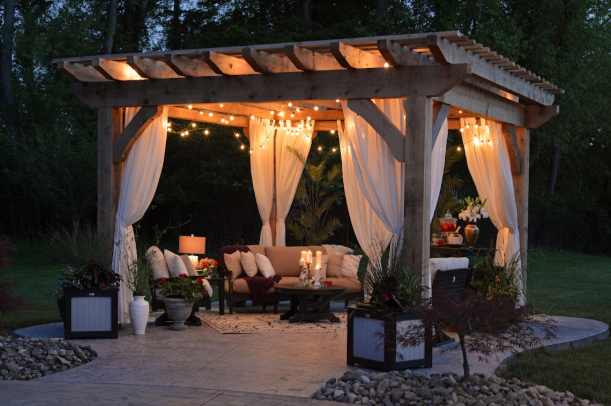
Cozy cedar pergola with string lights and outdoor seating in Fort Worth backyard

Enhancing your outdoor living space with custom pergolas and arbors can transform your Fort Worth home into a personal oasis. Texas Patio and Fence Co. specializes in crafting these elegant structures, offering not only aesthetic appeal but also practical benefits such as shade and comfort. Understanding the differences between pergolas and arbors is essential for choosing the right feature that complements your home and lifestyle. With expert insights on materials like cedar wood for its durability, this guide will help you make informed decisions on home improvement projects. Whether you’re drawn to the classic designs of arbors or the versatile benefits of pergolas, explore how these additions can add long-term value to your property.

Let’s start by clarifying the key features of pergolas and arbors, their main differences, and dispelling some common misconceptions about these outdoor structures.

Defining Pergolas and Arbors

Pergolas are freestanding outdoor structures consisting of columns supporting a roofing grid of beams and rafters. They’re often used to create a shaded walkway, passageway, or sitting area in a garden or landscape.

Arbors, on the other hand, are smaller structures typically used as an entrance to a garden or yard. They usually have two sides of lattice, post, or columns connected by an arch or flat top.

Both structures can be customized to fit your specific needs and preferences, enhancing the beauty and functionality of your outdoor space.

Key Differences Explained

The main differences between pergolas and arbors lie in their size, purpose, and design.

Pergolas are generally larger and more open, providing a defined outdoor living space. They’re perfect for creating an extended living area in your backyard, ideal for entertaining or relaxing.

Arbors are typically smaller and more enclosed, often serving as a decorative entrance or a support structure for climbing plants. They add a charming focal point to gardens and pathways.

While both can support climbing plants, pergolas offer more coverage and shade options, making them versatile for various outdoor activities.

Common Myths Debunked

One common myth is that pergolas and arbors are the same thing. As we’ve seen, they have distinct characteristics and purposes.

Another misconception is that these structures are purely decorative. In reality, both pergolas and arbors offer functional benefits like shade, plant support, and defining outdoor spaces.

Some believe these structures are difficult to maintain. However, with proper materials and construction, pergolas and arbors can be low-maintenance additions to your home, especially when built by professionals like Texas Patio and Fence Co.

Benefits of Outdoor Living Structures

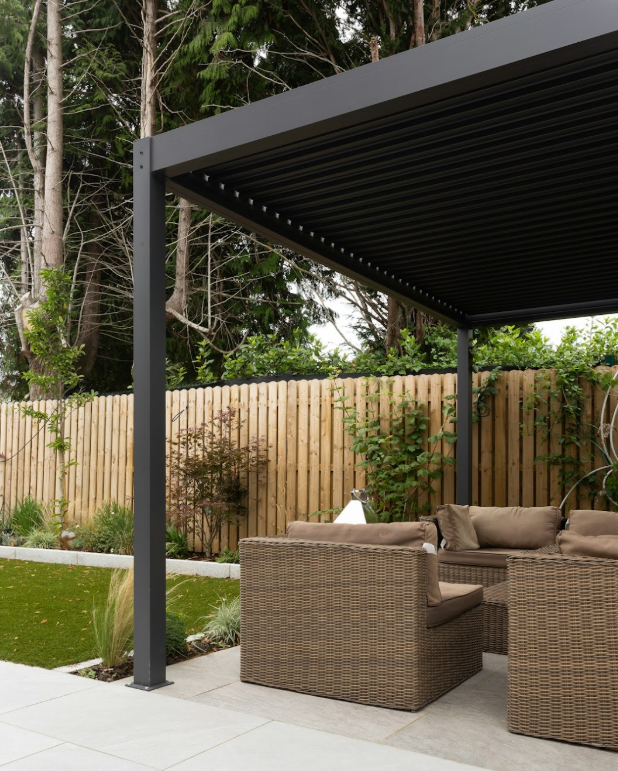
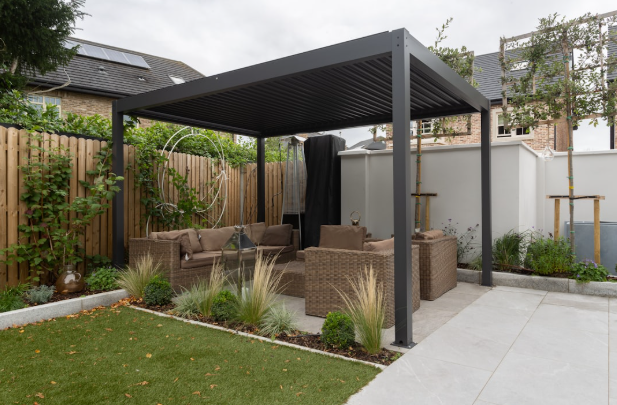
Modern metal pergola with wicker furniture in Fort Worth backyard

Outdoor living structures like pergolas and arbors can significantly enhance your home’s value and your quality of life. Let’s explore the specific benefits of each.

Pergola Benefits for Your Home

Pergolas offer numerous advantages to homeowners in Fort Worth. They create a defined outdoor living space, extending your home’s usable area.

Pergolas provide flexible shade options. You can adjust the amount of sun or shade by adding retractable canopies or training climbing plants over the structure.

These structures also increase property value. A well-designed pergola can be a selling point, attracting potential buyers who value outdoor living spaces.

Pergolas can be customized to match your home’s architecture, seamlessly blending with your existing exterior design. This cohesion enhances your home’s overall aesthetic appeal.

Arbor Designs That Stand Out

Arbors can transform your garden or yard into a picturesque paradise. They serve as beautiful entryways, creating a sense of anticipation and discovery.

These structures provide excellent support for climbing plants like roses, jasmine, or wisteria. As the plants grow, they intertwine with the arbor, creating a living sculpture in your garden.

Arbors can define different areas in your landscape, helping to organize your outdoor space. They can mark the transition between a lawn and a garden bed or separate different themed garden sections.

Custom arbor designs can reflect your personal style. From rustic wooden arches to elegant metal structures, arbors can be tailored to complement your home and garden aesthetic.

Enhancing Comfort and Shade

Both pergolas and arbors contribute significantly to outdoor comfort by providing shade and cooling effects. This is particularly valuable in the Fort Worth climate.

These structures create microclimates, offering refuge from direct sunlight and reducing ambient temperature. This makes your outdoor space more enjoyable, even during hot summer days.

By strategically placing a pergola or arbor, you can also protect your home from excess sun exposure, potentially reducing cooling costs.

The shade provided by these structures also protects outdoor furniture from sun damage, extending its lifespan and maintaining its appearance.

Choosing the Right Materials

Cedar pergola with wicker patio furniture in Fort Worth backyard

Selecting the appropriate materials for your pergola or arbor is crucial for ensuring durability, aesthetic appeal, and low maintenance. Let’s explore some popular options.

Cedar Wood Durability

Cedar is a top choice for outdoor structures due to its natural durability and aesthetic appeal. It contains natural oils that resist decay and insect infestation.

This wood type is also naturally resistant to moisture, reducing the risk of warping or rotting. This characteristic makes it ideal for the varied climate conditions in Fort Worth.

Cedar ages beautifully, developing a silvery-gray patina over time if left untreated. Alternatively, it can be stained or sealed to maintain its original color.

The lightweight nature of cedar makes it easier to work with during construction, potentially reducing labor costs. Despite its light weight, cedar is strong and can withstand various weather conditions.

Material Options to Consider

While cedar is popular, there are other materials to consider for your pergola or arbor:

  1. Pressure-treated pine: An affordable option that resists decay and insects.
  2. Redwood: Similar to cedar in durability and appearance, but often more expensive.
  3. Aluminum: A low-maintenance option that doesn’t rust or rot.
  4. Vinyl: Requires minimal upkeep and comes in various colors and styles.

Each material has its pros and cons in terms of cost, maintenance, and aesthetics. The best choice depends on your specific needs, budget, and design preferences.

Maintenance Tips for Longevity

Proper maintenance can significantly extend the life of your pergola or arbor. Here are some key tips:

  • Regular cleaning: Remove debris and wash the structure annually.
  • Inspect annually: Check for loose fasteners, wood rot, or insect damage.
  • Reapply finish: For wooden structures, reapply stain or sealant every 2-3 years.
  • Trim plants: If you have climbing plants, keep them trimmed to prevent overgrowth.

By following these maintenance practices, you can ensure your outdoor structure remains beautiful and functional for many years to come.

The Role of Texas Patio and Fence Co.

Logo of Texas Patio and Fence

Texas Patio and Fence Co. is your trusted partner in creating beautiful and functional outdoor living spaces. Let’s explore how we can help bring your vision to life.

Our Custom Pergolas and Arbors

At Texas Patio and Fence Co., we specialize in creating custom pergolas and arbors tailored to your specific needs and preferences.

Our design process begins with a consultation to understand your vision, space requirements, and budget. We then create a custom design that perfectly complements your home and landscape.

We use high-quality materials and expert craftsmanship to ensure your structure is not only beautiful but also durable and long-lasting. Our team handles every aspect of the project, from design to installation, ensuring a seamless process.

Client Success Stories

Our clients’ satisfaction speaks volumes about our work. Here are a few success stories:

  • The Johnsons wanted a pergola to create an outdoor dining area. We designed and installed a cedar pergola with a retractable canopy, allowing them to enjoy al fresco meals in any weather.
  • For the Smiths, we created a custom arbor to showcase their prized roses. The wrought iron design provided sturdy support for the climbing plants while adding an elegant touch to their garden entrance.
  • The Garcias needed a large pergola to cover their pool deck. We designed a structure that provided ample shade and matched their home’s Mediterranean style.

These projects demonstrate our ability to turn our clients’ visions into reality, enhancing their outdoor living experiences.

Why Fort Worth Homeowners Choose Us

Fort Worth homeowners consistently choose Texas Patio and Fence Co. for several reasons:

  1. Local expertise: We understand Fort Worth’s climate and architectural styles, allowing us to create structures that truly belong.
  2. Quality craftsmanship: Our team of skilled artisans ensures every project is built to last.
  3. Custom designs: We don’t offer one-size-fits-all solutions. Each project is uniquely tailored to the client’s needs.
  4. Comprehensive service: From initial design to final installation, we handle every aspect of the project.
  5. Customer satisfaction: Our high rate of referrals and repeat customers speaks to our commitment to excellence.

Frequently Asked Questions

To help you make an informed decision, let’s address some common questions about pergolas and arbors.

Cost Considerations

The cost of a pergola or arbor can vary widely depending on several factors:

  • Size of the structure
  • Materials used (cedar, pressure-treated pine, aluminum, etc.)
  • Complexity of design
  • Additional features (built-in seating, lighting, etc.)

On average, a basic pergola might start around $2,000, while more elaborate custom designs can exceed $10,000. Arbors generally cost less due to their smaller size.

We offer free consultations to provide accurate quotes based on your specific requirements. Remember, investing in a quality structure can increase your property value and enhance your outdoor living experience.

Installation Timeframe

The installation timeframe for pergolas and arbors can vary based on the project’s complexity. Here’s a general timeline:

  1. Design and planning: 1-2 weeks
  2. Permit acquisition (if required): 1-3 weeks
  3. Material procurement: 1-2 weeks
  4. Construction and installation: 2-5 days for arbors, 1-2 weeks for pergolas

Overall, from initial consultation to completion, most projects take 4-8 weeks. We always strive to work efficiently while maintaining our high standards of quality.

Customization Options Available

At Texas Patio and Fence Co., we offer a wide range of customization options to ensure your pergola or arbor perfectly suits your needs and style:

  • Size and shape adjustments to fit your space
  • Various wood types and finishes
  • Metal or vinyl options for low-maintenance needs
  • Built-in features like seating or planters
  • Lighting installations for evening ambiance
  • Retractable canopies or shade cloth for pergolas
  • Decorative elements like scrollwork or lattice panels

Our design team will work closely with you to incorporate the features and aesthetics you desire, creating a truly unique outdoor structure that enhances your home and lifestyle.

Choosing the Perfect Pergola Builder in Fort Worth: Expert Tips for Homeowners

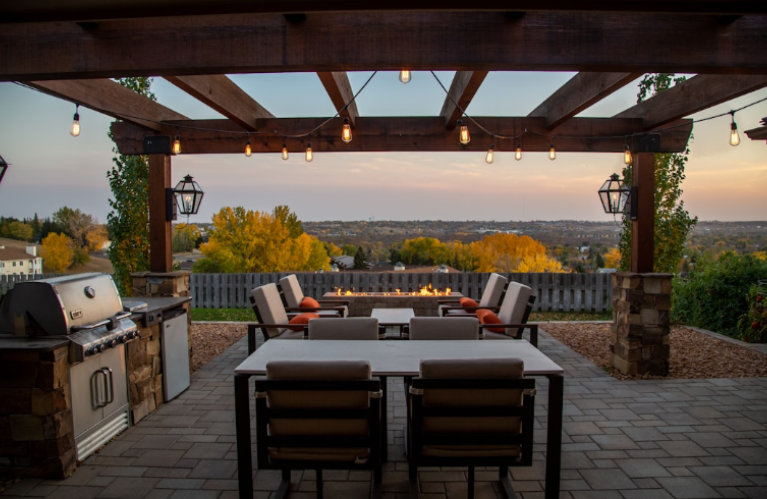
Outdoor patio with pergola, firepit, dining area, and built-in grill overlooking a scenic sunset view.

A beautifully crafted pergola can transform your outdoor living space into a stunning retreat, offering both shade and style to your Fort Worth home. However, selecting a pergola builder in Fort Worth, Texas, requires careful consideration to ensure that your investment stands the test of time. From evaluating durable pergola craftsmanship to leveraging local expertise, there are several pergola builder tips that can guide you in making an informed decision. Understanding the nuances of pergola construction in Fort Worth will ensure that you choose a professional who can seamlessly blend functionality with aesthetic appeal. Join us as we delve into the essential factors that will help you find the perfect partner for your outdoor living enhancement project.

Understanding Pergola Construction Fort Worth

When it comes to enhancing your outdoor living space in Fort Worth, understanding the nuances of pergola construction is crucial. This section explores the importance of local expertise and how to assess craftsmanship quality.

Importance of Local Expertise

Local expertise is invaluable when it comes to pergola construction in Fort Worth. Builders familiar with the area understand the unique climate challenges and building regulations specific to the region.

Fort Worth’s weather patterns, from scorching summers to occasional severe storms, require specialized knowledge in material selection and construction techniques. Local experts can recommend designs that withstand these conditions while complementing the architectural styles prevalent in the area.

Moreover, Fort Worth-based builders are well-versed in local permitting processes and zoning laws, ensuring your pergola project adheres to all necessary regulations. This local insight can save you time, money, and potential legal headaches down the line.

Assessing Craftsmanship Quality

Evaluating the quality of craftsmanship is crucial when selecting a pergola builder in Fort Worth. High-quality work ensures longevity, aesthetic appeal, and overall satisfaction with your outdoor addition.

Look for builders who pay attention to detail in their work. This includes precise cuts, smooth finishes, and sturdy joints. A well-crafted pergola should have symmetrical design elements and a solid, level foundation.

Examine the builder’s portfolio, paying close attention to the intricacy of their designs and the overall finish of their projects. Quality craftsmanship often shines through in the small details, such as how well the wood is treated or how seamlessly different materials are integrated. For inspiration on quality pergola designs, check out these stunning pergola ideas on Pinterest.

Key Pergola Builder Tips

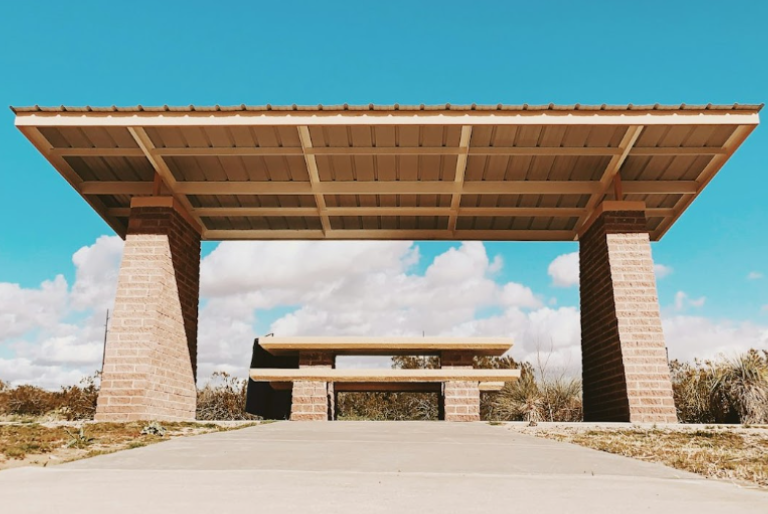
Sturdy brick pergola with metal roof under blue sky, showcasing durable construction for Fort Worth weather.

Choosing the right pergola builder involves more than just assessing their craftsmanship. This section provides essential tips on evaluating experience, reputation, and ensuring proper licensing and insurance.

Evaluating Experience and Reputation

When selecting a pergola builder in Fort Worth, it’s crucial to evaluate their experience and reputation in the industry. A builder’s track record can provide valuable insights into their reliability and the quality of their work.

Start by researching how long the builder has been in business. Longevity often indicates stability and consistent customer satisfaction. Look for builders who specialize in pergolas or have extensive experience in outdoor living spaces.

Check online reviews and ratings on platforms like Google, Yelp, or specialized home improvement sites. Pay attention to comments about the builder’s communication, timeliness, and ability to handle unexpected challenges during the construction process.

Don’t hesitate to ask the builder for references from past clients. Speaking directly with previous customers can provide honest feedback about their experience and the durability of their pergola over time.

Checking Licenses and Insurance

Ensuring your chosen pergola builder is properly licensed and insured is a critical step in protecting yourself and your property during the construction process.

Verify that the builder holds a valid contractor’s license in Texas. This license indicates that they have met the state’s requirements for knowledge and experience in construction. You can typically check a contractor’s license status through the Texas Department of Licensing and Regulation website.

Insurance is equally important. Ask for proof of both general liability insurance and workers’ compensation coverage. General liability insurance protects you from potential damage to your property during construction, while workers’ compensation covers any injuries that might occur to workers on your property.

Don’t be afraid to ask for copies of these documents and verify their authenticity with the issuing agencies. A reputable builder will be happy to provide this information, demonstrating their commitment to professionalism and legal compliance.

Enhancing Outdoor Living Spaces

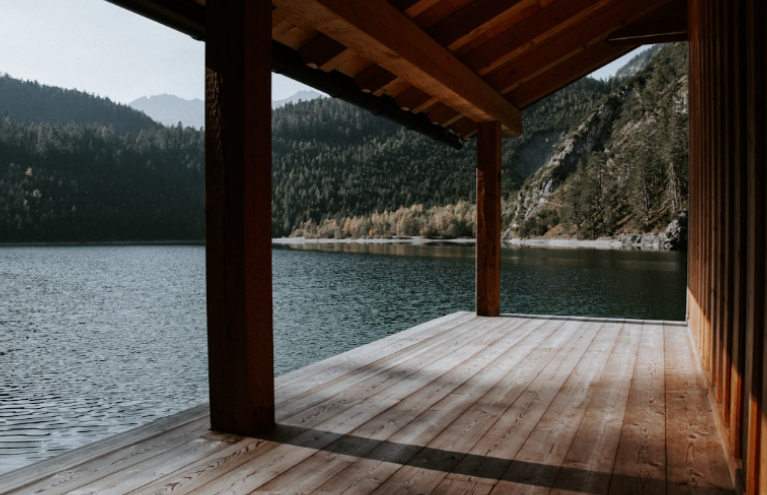
Covered wooden deck overlooking a serene lake and forest, highlighting quality pergola construction.

A well-designed pergola can significantly enhance your outdoor living space, providing both aesthetic appeal and functional benefits. This section explores how to achieve the perfect balance between design and practicality.

Designing for Aesthetic Appeal

When designing a pergola for your Fort Worth home, aesthetic appeal plays a crucial role in creating an inviting outdoor space that complements your home’s architecture and landscape.

Consider the overall style of your home when choosing a pergola design. A modern home might benefit from a sleek, minimalist pergola with clean lines and metal accents, while a traditional home could be enhanced by a classic wooden structure with ornate details.

The choice of materials can greatly influence the pergola’s appearance. Cedar and redwood offer a natural, rustic look that ages beautifully, while powder-coated aluminum can provide a more contemporary feel. For inspiration, browse through these pergola ideas on Houzz to see how different materials and designs can transform outdoor spaces.

Don’t forget about lighting and decorative elements. Strategically placed lights can create a warm ambiance for evening gatherings, while climbing plants or hanging baskets can add a touch of natural beauty to your pergola.

Considering Functionality and Use

While aesthetics are important, the functionality of your pergola should be a primary consideration in the design process. Think about how you intend to use the space and design accordingly.

If you plan to use your pergola primarily for shade, consider the sun’s path across your yard and position the structure to provide maximum coverage during the hottest parts of the day. You might also want to explore retractable canopies or adjustable louvers for flexible shade options.

For those who love to entertain, consider incorporating features like built-in seating, a outdoor kitchen area, or space for a dining table. If you’re looking to create a relaxing retreat, you might want to include elements like a hammock, a swing, or a space for yoga and meditation.

Think about the seasons as well. In Fort Worth’s climate, you might want to add features like ceiling fans for summer cooling or a fire pit for cozy gatherings in the cooler months. By carefully considering functionality, you can create a versatile outdoor living space that you’ll enjoy year-round.

Ensuring Durable Pergola Craftsmanship

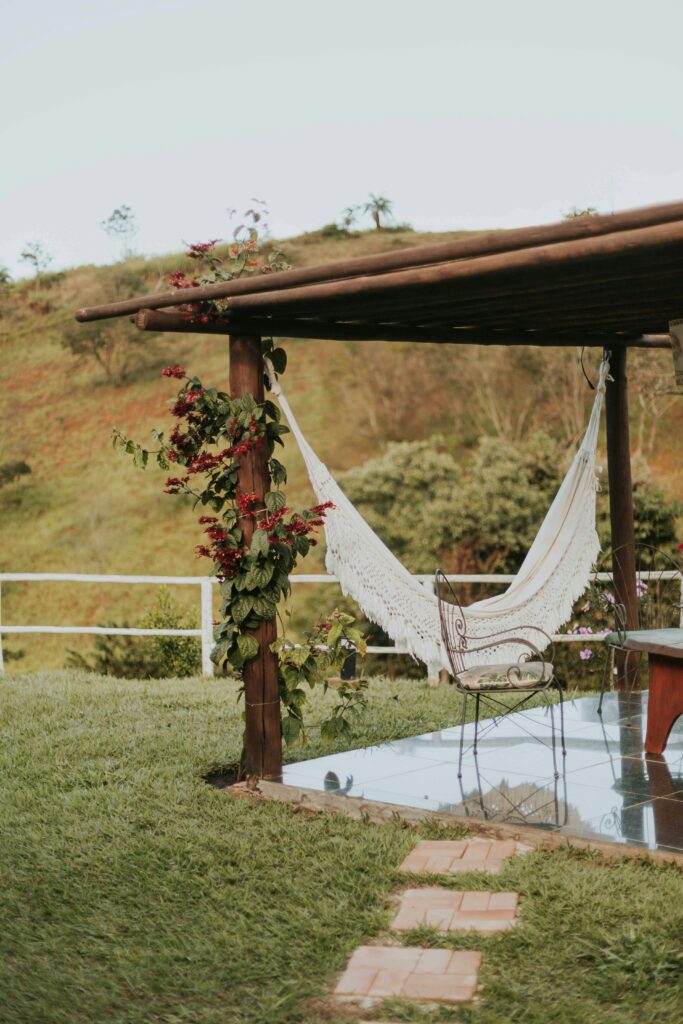
Cozy pergola with a hammock and garden chair overlooking a scenic hillside.

Durability is key when it comes to pergola construction in Fort Worth. This section focuses on selecting quality materials and ensuring your pergola can withstand the local weather conditions.

Selecting Quality Materials

Choosing the right materials for your pergola is crucial for ensuring its longevity and maintaining its appearance over time. The selection process should consider both aesthetic preferences and durability factors.

Wood is a popular choice for pergolas due to its natural beauty and versatility. Cedar and redwood are particularly well-suited for outdoor structures as they naturally resist decay and insect infestation. However, they require regular maintenance to preserve their appearance and structural integrity.

For a low-maintenance option, consider aluminum or vinyl pergolas. These materials are resistant to rot, rust, and pests, and they require minimal upkeep. While they may lack the natural warmth of wood, modern manufacturing techniques can create finishes that closely mimic wood grain.

Composite materials offer another durable alternative, combining the look of wood with enhanced weather resistance. These materials often come with extended warranties, reflecting their long-lasting nature.

Prioritizing Weather Resistance

In Fort Worth, where weather conditions can range from intense heat to occasional storms, prioritizing weather resistance in your pergola construction is essential for long-term durability.

Start by ensuring proper water drainage in the design. The roof of the pergola should have a slight slope to prevent water pooling, which can lead to rot and structural damage over time. Additionally, consider adding gutters or downspouts for more effective water management.

UV resistance is another crucial factor, given Fort Worth’s sunny climate. Choose materials and finishes that can withstand prolonged sun exposure without fading or degrading. If using wood, regular application of UV-resistant sealants can help protect against sun damage.

For metal components, such as fasteners or decorative elements, opt for corrosion-resistant options like stainless steel or galvanized steel. These materials will maintain their integrity even when exposed to moisture and varying temperatures.

Selecting a Pergola Builder in Fort Worth, Texas

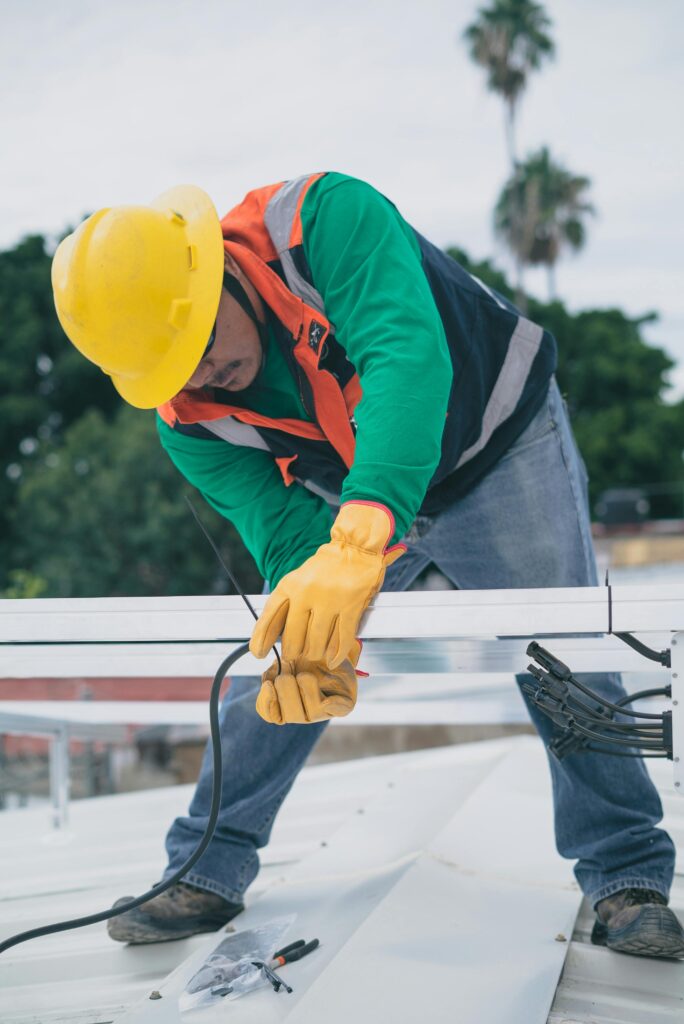
Construction worker in safety gear installing pergola framework on a rooftop

The final step in your pergola journey is selecting the right builder. This section guides you through comparing quotes and contracts and the importance of reviewing customer testimonials.

Comparing Quotes and Contracts

When selecting a pergola builder in Fort Worth, carefully comparing quotes and contracts is a crucial step in ensuring you get the best value and clarity for your project.

Request detailed, itemized quotes from multiple builders. These should break down costs for materials, labor, permits, and any additional features or services. Be wary of quotes that seem significantly lower than others, as they may indicate cut corners or hidden costs.

Pay close attention to the contract terms. Look for clear timelines, payment schedules, and warranties. Ensure that the contract specifies the exact materials to be used, including brands and grades where applicable.

Don’t hesitate to ask questions about any terms or conditions you don’t fully understand. A reputable builder will be happy to explain and may even be willing to negotiate certain aspects of the contract to better meet your needs.

Reviewing Customer Testimonials

Customer testimonials provide valuable insights into a builder’s reliability, workmanship, and customer service. They can help you make an informed decision when choosing a pergola builder in Fort Worth.

Look for testimonials on the builder’s website, but also seek out independent reviews on platforms like Google, Yelp, or specialized home improvement sites. Pay attention to comments about the builder’s communication, ability to stick to timelines and budgets, and how they handle any issues that arise during the project.

Consider reaching out to past clients directly, if possible. Many satisfied customers are happy to share their experiences and may even allow you to visit their property to see the pergola in person.

Remember that while a few negative reviews are normal for any business, look for patterns in the feedback. Consistent praise or recurring issues can provide valuable insights into what you might expect from working with a particular builder.