

Most outdoor spaces in Fort Worth miss a key feature that blends style and function. Custom arbors from Texas Patio and Fence bring more than just shade, they add lasting value and charm to your home. In this post, you’ll see why quality arbors stand out and how the right design can transform your backyard into a welcoming retreat.
Understanding Custom Arbors
The right outdoor structure can make all the difference in how you enjoy your yard. Custom arbors stand out as both practical and beautiful additions to Fort Worth homes.
Definition and Purpose
A custom arbor is an open framework structure that creates a shaded walkway, passageway, or sitting area in your yard. Unlike mass-produced options, custom arbors are built specifically for your space and needs.
These charming structures serve as architectural focal points while framing views and defining spaces in your landscape. Many Fort Worth homeowners use arbors to mark garden entrances or create intimate seating areas.
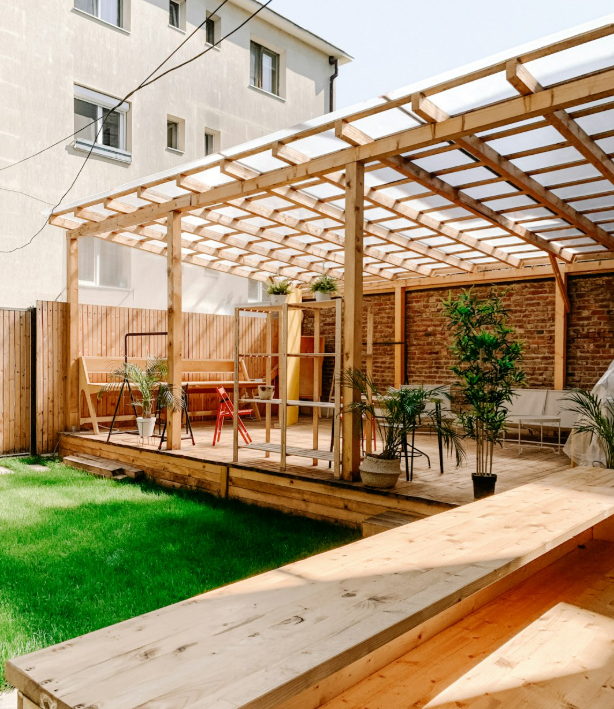
The main purpose of an arbor is to add vertical interest to your yard while providing partial shade. They’re smaller than pergolas but make a big impact on your outdoor design.
Knowing the difference between pergolas and arbors helps you choose what’s best for your specific needs.
Key Features of Custom Arbors
Custom arbors from quality builders offer features that set them apart from generic options. The framework typically includes two or four posts with an open-roof structure that can be flat, arched, or gabled.
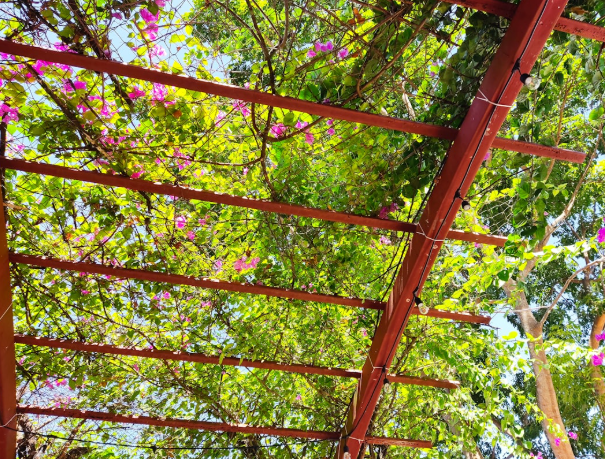
Most quality arbors include lattice sides or tops that support climbing plants like roses, jasmine, or wisteria. This plant support feature turns your arbor into a living structure that changes with the seasons.
Size flexibility is another key advantage. Your arbor can be as narrow as 3 feet for a garden entrance or as wide as 8 feet for a more substantial presence. Heights typically range from 7 to 9 feet, giving you plenty of headroom.
Built-in seating, lighting options, and decorative elements like scrollwork can be added based on your preferences. These customizations make your arbor truly one-of-a-kind.
Popular Styles in Fort Worth
Fort Worth homeowners gravitate toward several arbor styles that complement local architecture and withstand Texas weather. The classic arch-top arbor remains the most requested design, with its timeless look that pairs well with both traditional and contemporary homes.
Rustic cedar arbors with natural finishes fit perfectly with ranch-style and country-inspired properties. The warm wood tones create a welcoming entrance to gardens or backyard pathways.
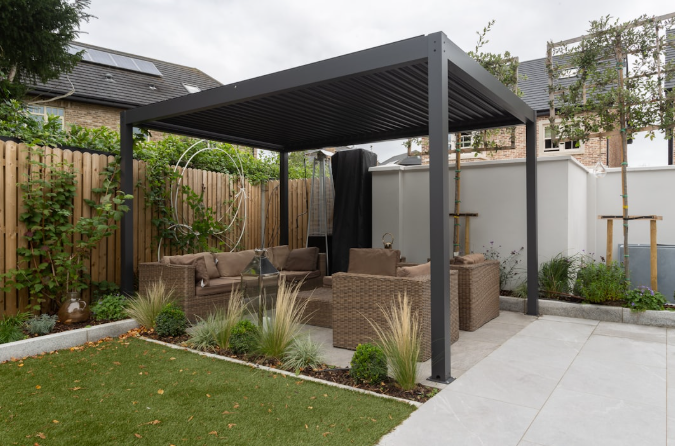
Modern designs featuring clean lines and metal accents have gained popularity in newer neighborhoods. These styles often incorporate powder-coated aluminum or steel for durability and minimal maintenance.
For Tudor or Mediterranean-inspired homes, arbors with decorative scrollwork and ornate details add character and old-world charm. These styles often include built-in benches for a cozy reading nook or conversation area.
Benefits of Custom Arbors
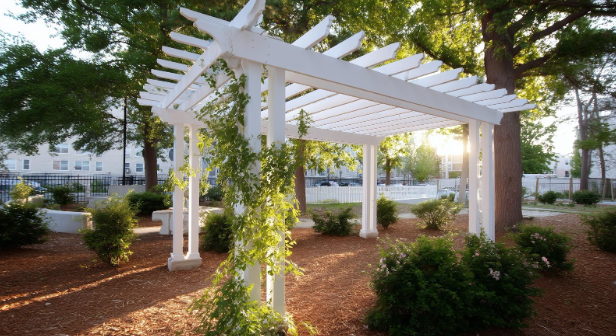
When you invest in your outdoor space, you want features that look great and serve a purpose. Custom arbors deliver on both counts while adding lasting value.
Enhancing Outdoor Spaces
A well-designed arbor instantly creates a sense of place in your yard. It draws the eye and invites people to explore what lies beyond, turning plain spaces into destinations with personality.
Custom arbors help divide large yards into smaller, more usable “rooms.” This zoning effect makes your outdoor space feel more organized and purposeful. You might use an arbor to separate your vegetable garden from your entertaining area or to mark the transition from your patio to a more natural landscape.
Plants and arbors work together beautifully. The structure gives climbing plants a framework to grow on, creating stunning visual displays as flowers cascade over the top and sides. This living architecture changes through the seasons, giving you something new to enjoy year-round.
For smaller yards, arbors create the illusion of more space by drawing the eye upward. They add dimension without taking up much ground space – a smart solution for urban Fort Worth properties.
Providing Shade and Comfort
Texas heat can make outdoor time uncomfortable, but arbors offer a smart solution. The partial shade they create reduces temperatures by 10-15 degrees in the covered area, making summer afternoons more bearable.
The dappled light that filters through an arbor creates a pleasant environment for both people and plants. This gentle shade is perfect for plants that need protection from harsh afternoon sun but still require good light.
Arbors can be placed strategically to block sun at specific times of day. A well-positioned arbor might shade your patio during late afternoon when the sun is most intense, while still allowing morning light to brighten your space.
Adding a fan or misting system to your arbor takes comfort to the next level during hot Fort Worth summers. These cooling additions make your shaded retreat a true escape from the heat.
Increasing Property Value
Real estate agents confirm that attractive outdoor structures like custom arbors can boost your home’s value by 5-15%. They’re seen as desirable features that make your property stand out in listings.
Beyond dollar value, arbors add to your home’s curb appeal and make a strong first impression. A beautiful arbor at your garden entrance or front walkway signals that your home is well-maintained and thoughtfully designed.
Potential buyers often imagine themselves enjoying outdoor spaces. An arbor creates an emotional connection by showing how pleasant outdoor living can be at your home. This emotional appeal often translates to faster sales and better offers.
The return on investment for quality arbors is impressive. While costs vary based on size and materials, most homeowners recoup 80-100% of their investment when selling their home. Few home improvements offer such strong returns.
Designing Your Perfect Arbor
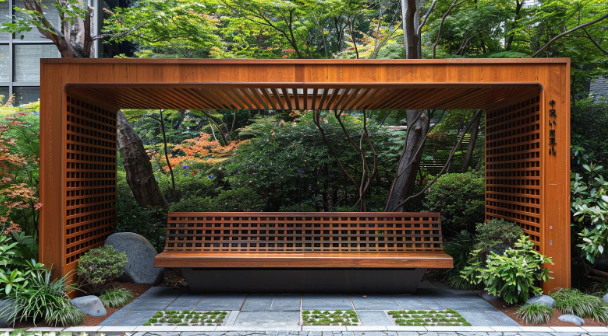
Creating an arbor that truly fits your home requires thoughtful planning. Let’s explore how to design a structure that matches your style and needs.
Design Options for Arbors
The shape of your arbor sets the tone for its overall look. Flat-top designs offer clean, modern lines that work well with contemporary homes. Arched tops create a softer, more romantic feel that suits traditional gardens. Gabled tops (like a house roof) provide more height and visual interest.
Size matters when designing your arbor. The standard width for walkway arbors is 3-4 feet, while sitting arbors might be 6-8 feet wide. Height typically ranges from 7-9 feet, but can be adjusted based on your space and needs.
Side panels come in various styles – from simple posts to full lattice walls. The amount of enclosure affects both the look and function of your arbor. More open designs feel airy while more enclosed styles offer privacy.
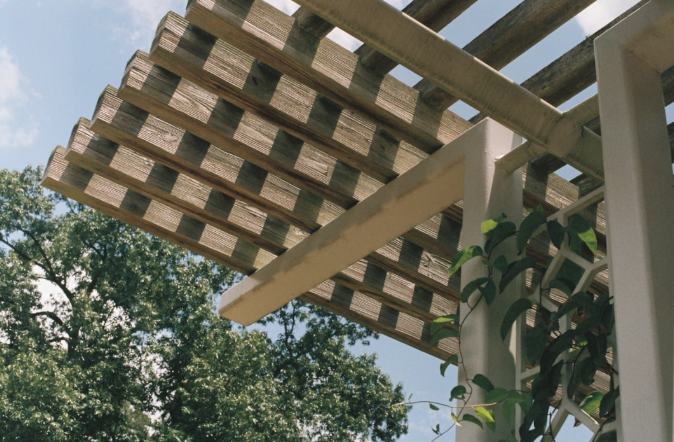
Don’t forget the details that make your arbor special. Decorative end cuts on beams, post caps, built-in planters, and custom hardware all add character. Fort Worth arbor specialists can show you options that match your home’s architectural style.
Choosing the Right Materials
Cedar stands as the top choice for arbors in Fort Worth due to its natural resistance to insects and rot. Western red cedar offers rich color that ages to a silver-gray patina if left untreated. Its natural oils help it last 15-20 years with minimal maintenance.
Pressure-treated pine provides a budget-friendly option that still offers good durability. While not as naturally resistant as cedar, today’s treatments make it last 10-15 years when properly maintained. It takes paint and stain well if you want a specific color.
Metal arbors made from powder-coated aluminum or steel offer extreme durability with minimal upkeep. These won’t rot or warp and can last 20+ years. The clean lines of metal work particularly well with modern home designs.
Vinyl and composite materials provide zero-maintenance options. While more expensive initially, these materials never need painting or staining. They won’t crack, split, or fade and can last 30+ years, making them worth considering for long-term value.
Customization and Personal Touches
Plants transform an arbor from a simple structure to a living garden feature. Fast-growing options like jasmine, climbing roses, and wisteria create stunning displays. Choose varieties suited to Fort Worth’s climate for best results.
Lighting extends the usability of your arbor into evening hours. Solar string lights create a magical atmosphere without complex wiring. Low-voltage path lights can highlight your arbor while improving safety after dark.
Built-in features make your arbor more functional. Consider adding benches for seating, planters for container gardens, or even a small shelf for drinks and books. These touches turn your arbor into a true destination.
Color choices help your arbor either stand out or blend with your landscape. Natural wood tones complement most garden settings, while painted finishes can match your home’s trim for a coordinated look. Black metal creates dramatic contrast against green plants.
Texas Patio and Fence Expertise
Creating the perfect arbor requires skill and experience. Texas Patio and Fence brings both to every project we take on in Fort Worth.
Our Design and Build Process
Every arbor project starts with a conversation about your vision. We listen to how you plan to use the space, your style preferences, and any specific features you want. This helps us create a design that truly fits your needs rather than pushing a one-size-fits-all solution.
After initial ideas are shared, we measure your space and create a custom design. You’ll see detailed drawings showing dimensions, materials, and special features. This step ensures we’re all picturing the same end result before construction begins.
Material selection comes next, with options that fit both your style and budget. We explain the pros and cons of different woods, metals, and composites so you can make informed choices about your investment.
The build process is handled by our skilled craftsmen who focus exclusively on outdoor structures. Proper installation makes all the difference in how your arbor looks and how long it lasts. Our team handles everything from secure footings to final finishing touches.
Quality Arbors and Craftsmanship
The difference between a good arbor and a great one lies in the details. Our team uses precise joinery techniques that create stronger connections between posts and beams. These methods not only look better but also help your arbor stand up to Texas winds.
We select lumber board by board, choosing pieces with the right grain pattern and minimal knots for structural elements. This careful selection process results in structures that remain strong and straight for years.
Proper fasteners play a huge role in arbor longevity. We use hot-dipped galvanized or stainless steel hardware that won’t rust or stain your wood. Hidden fasteners create a cleaner look while maintaining structural integrity.
Finishing touches include sanding smooth surfaces, easing sharp edges, and applying proper sealants or stains. These steps protect your investment while creating a finished product that’s beautiful from every angle.
Customer Satisfaction and Testimonials
Our Fort Worth customers consistently mention how their arbors have become favorite features of their homes. Sarah from Tanglewood told us, “The arbor you built has become the spot where everyone wants to take photos when they visit. It’s gorgeous year-round.”
Many clients share how their arbors have solved specific problems. James from Ridglea Hills explained, “We wanted to create a transition between our patio and garden that would provide some afternoon shade. The arbor does exactly that, and the climbing roses make it stunning in spring.”
The durability of our work is another point of pride. We regularly hear from customers who’ve had our arbors for 10+ years with minimal maintenance needs. This longevity speaks to the quality of our materials and construction methods.
What truly sets us apart is our attention to your unique needs. We don’t build cookie-cutter structures – we create custom arbors that reflect your style and enhance your specific outdoor space. This personalized approach has earned us a reputation for excellence throughout Fort Worth.
FAQs About Custom Arbors
Questions about arbors are common when homeowners start planning their outdoor spaces. Here are answers to the most frequent inquiries we receive.
Common Homeowner Questions
How much does a custom arbor cost in Fort Worth?
Custom arbor prices range from $1,500 to $5,000 depending on size, materials, and design complexity. Cedar arbors typically start around $2,000 for standard sizes, while metal or composite options may cost more. We provide detailed quotes based on your specific project needs.
How long does it take to build a custom arbor?
Most arbor projects take 2-3 days for installation once materials are ready. The entire process from design to completion typically takes 2-3 weeks, with much of that time dedicated to material preparation and finishing.
What’s the difference between an arbor and a pergola?
Arbors are typically smaller structures with an arch or framework that often serves as an entrance or pathway cover. Pergolas are larger structures that create defined outdoor rooms and provide more extensive shade. Arbors are perfect for garden entrances or small seating areas, while pergolas work better for larger entertaining spaces.
Can I install lighting on my arbor?
Yes! We can incorporate wiring during construction for permanent lighting fixtures or design your arbor with features that make it easy to add string lights or solar options later. Lighting extends the usability of your arbor into evening hours.
Installation Considerations
Do arbors require permits in Fort Worth?
Most residential arbors don’t require permits since they’re considered garden structures rather than permanent buildings. However, regulations vary by neighborhood. We check local codes and HOA restrictions before beginning your project to ensure compliance.
What type of foundation is needed for an arbor?
Proper foundation is crucial for stability. Options include concrete footings (best for long-term stability), ground anchors (simpler but still secure), or surface mounting to existing concrete (good for patios). The right choice depends on your soil type and the size of your arbor.
How do you ensure an arbor will withstand Texas storms?
We build with Texas weather in mind. This includes using deeper footings than standard, selecting hardware rated for high winds, and constructing with proper bracing techniques. These methods create arbors that stand strong through storms and high winds.
Can an arbor be installed on uneven ground?
Yes, we can adapt designs for sloped or uneven terrain. Options include stepped foundations, custom-height posts, or terracing around the structure. These modifications ensure your arbor looks intentional rather than crooked, even on challenging sites.
Maintenance Tips and Advice
How often should I maintain my wooden arbor?
Cedar arbors benefit from cleaning and resealing every 2-3 years. This simple maintenance keeps the wood looking fresh and extends its lifespan. Pressure-treated pine may need attention more frequently, while vinyl and metal require only occasional cleaning.
What plants grow best on arbors in Fort Worth?
Fast-growing vines that thrive in our climate include crossvine, Carolina jasmine, climbing roses, and wisteria. Choose based on sun exposure, growth rate, and whether you want seasonal flowers or evergreen coverage.
How do I clean my arbor safely?
For routine cleaning, use a garden hose with a soft brush to remove dirt and debris. For deeper cleaning, a mild solution of water and dish soap works well. Avoid pressure washers on wooden arbors as they can damage the wood fibers.
Can I paint or stain my existing arbor a different color?
Yes, most arbors can be refreshed with new finishes. The process involves cleaning, light sanding, and applying appropriate outdoor-rated products. We can advise on the best products for your specific arbor material or handle the refinishing for you.