

Why Fort Worth Homeowners Choose Custom Arbors: Beauty, Shade, and Value

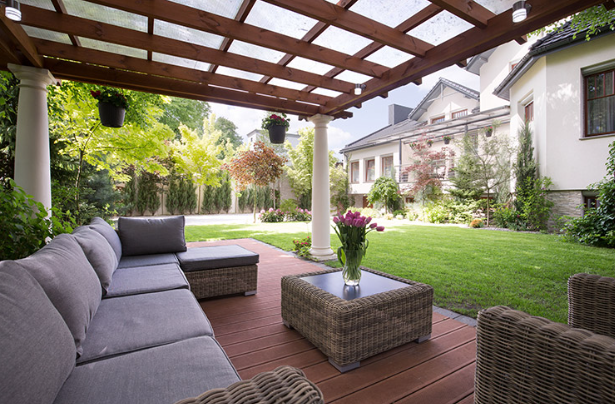
Custom wood arbor providing shade over a Fort Worth backyard patio

Most outdoor spaces in Fort Worth miss a key feature that blends style and function. Custom arbors from Texas Patio and Fence bring more than just shade, they add lasting value and charm to your home. In this post, you’ll see why quality arbors stand out and how the right design can transform your backyard into a welcoming retreat.

Understanding Custom Arbors

The right outdoor structure can make all the difference in how you enjoy your yard. Custom arbors stand out as both practical and beautiful additions to Fort Worth homes.

Definition and Purpose

A custom arbor is an open framework structure that creates a shaded walkway, passageway, or sitting area in your yard. Unlike mass-produced options, custom arbors are built specifically for your space and needs.

These charming structures serve as architectural focal points while framing views and defining spaces in your landscape. Many Fort Worth homeowners use arbors to mark garden entrances or create intimate seating areas.

The main purpose of an arbor is to add vertical interest to your yard while providing partial shade. They’re smaller than pergolas but make a big impact on your outdoor design.

Knowing the difference between pergolas and arbors helps you choose what’s best for your specific needs.

Key Features of Custom Arbors

Custom arbors from quality builders offer features that set them apart from generic options. The framework typically includes two or four posts with an open-roof structure that can be flat, arched, or gabled.

Most quality arbors include lattice sides or tops that support climbing plants like roses, jasmine, or wisteria. This plant support feature turns your arbor into a living structure that changes with the seasons.

Size flexibility is another key advantage. Your arbor can be as narrow as 3 feet for a garden entrance or as wide as 8 feet for a more substantial presence. Heights typically range from 7 to 9 feet, giving you plenty of headroom.

Built-in seating, lighting options, and decorative elements like scrollwork can be added based on your preferences. These customizations make your arbor truly one-of-a-kind.

Popular Styles in Fort Worth

Fort Worth homeowners gravitate toward several arbor styles that complement local architecture and withstand Texas weather. The classic arch-top arbor remains the most requested design, with its timeless look that pairs well with both traditional and contemporary homes.

Rustic cedar arbors with natural finishes fit perfectly with ranch-style and country-inspired properties. The warm wood tones create a welcoming entrance to gardens or backyard pathways.

Modern designs featuring clean lines and metal accents have gained popularity in newer neighborhoods. These styles often incorporate powder-coated aluminum or steel for durability and minimal maintenance.

For Tudor or Mediterranean-inspired homes, arbors with decorative scrollwork and ornate details add character and old-world charm. These styles often include built-in benches for a cozy reading nook or conversation area.

Benefits of Custom Arbors
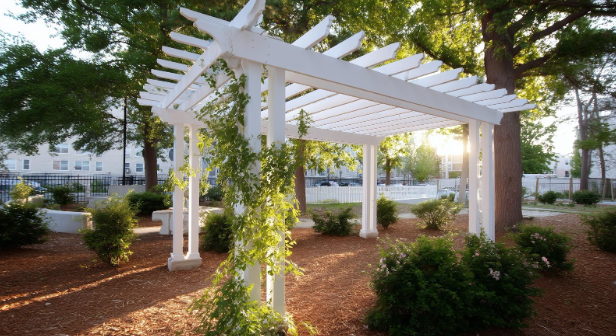
White custom arbor enhancing a landscaped Fort Worth outdoor space

When you invest in your outdoor space, you want features that look great and serve a purpose. Custom arbors deliver on both counts while adding lasting value.

Enhancing Outdoor Spaces

A well-designed arbor instantly creates a sense of place in your yard. It draws the eye and invites people to explore what lies beyond, turning plain spaces into destinations with personality.

Custom arbors help divide large yards into smaller, more usable “rooms.” This zoning effect makes your outdoor space feel more organized and purposeful. You might use an arbor to separate your vegetable garden from your entertaining area or to mark the transition from your patio to a more natural landscape.

Plants and arbors work together beautifully. The structure gives climbing plants a framework to grow on, creating stunning visual displays as flowers cascade over the top and sides. This living architecture changes through the seasons, giving you something new to enjoy year-round.

For smaller yards, arbors create the illusion of more space by drawing the eye upward. They add dimension without taking up much ground space – a smart solution for urban Fort Worth properties.

Providing Shade and Comfort

Texas heat can make outdoor time uncomfortable, but arbors offer a smart solution. The partial shade they create reduces temperatures by 10-15 degrees in the covered area, making summer afternoons more bearable.

The dappled light that filters through an arbor creates a pleasant environment for both people and plants. This gentle shade is perfect for plants that need protection from harsh afternoon sun but still require good light.

Arbors can be placed strategically to block sun at specific times of day. A well-positioned arbor might shade your patio during late afternoon when the sun is most intense, while still allowing morning light to brighten your space.

Adding a fan or misting system to your arbor takes comfort to the next level during hot Fort Worth summers. These cooling additions make your shaded retreat a true escape from the heat.

Increasing Property Value

Real estate agents confirm that attractive outdoor structures like custom arbors can boost your home’s value by 5-15%. They’re seen as desirable features that make your property stand out in listings.

Beyond dollar value, arbors add to your home’s curb appeal and make a strong first impression. A beautiful arbor at your garden entrance or front walkway signals that your home is well-maintained and thoughtfully designed.

Potential buyers often imagine themselves enjoying outdoor spaces. An arbor creates an emotional connection by showing how pleasant outdoor living can be at your home. This emotional appeal often translates to faster sales and better offers.

The return on investment for quality arbors is impressive. While costs vary based on size and materials, most homeowners recoup 80-100% of their investment when selling their home. Few home improvements offer such strong returns.

Designing Your Perfect Arbor
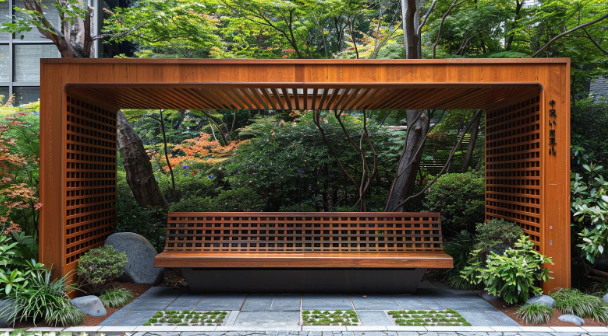
Modern custom arbor with built-in seating in a landscaped garden

Creating an arbor that truly fits your home requires thoughtful planning. Let’s explore how to design a structure that matches your style and needs.

Design Options for Arbors

The shape of your arbor sets the tone for its overall look. Flat-top designs offer clean, modern lines that work well with contemporary homes. Arched tops create a softer, more romantic feel that suits traditional gardens. Gabled tops (like a house roof) provide more height and visual interest.

Size matters when designing your arbor. The standard width for walkway arbors is 3-4 feet, while sitting arbors might be 6-8 feet wide. Height typically ranges from 7-9 feet, but can be adjusted based on your space and needs.

Side panels come in various styles – from simple posts to full lattice walls. The amount of enclosure affects both the look and function of your arbor. More open designs feel airy while more enclosed styles offer privacy.

Don’t forget the details that make your arbor special. Decorative end cuts on beams, post caps, built-in planters, and custom hardware all add character. Fort Worth arbor specialists can show you options that match your home’s architectural style.

Choosing the Right Materials

Cedar stands as the top choice for arbors in Fort Worth due to its natural resistance to insects and rot. Western red cedar offers rich color that ages to a silver-gray patina if left untreated. Its natural oils help it last 15-20 years with minimal maintenance.

Pressure-treated pine provides a budget-friendly option that still offers good durability. While not as naturally resistant as cedar, today’s treatments make it last 10-15 years when properly maintained. It takes paint and stain well if you want a specific color.

Metal arbors made from powder-coated aluminum or steel offer extreme durability with minimal upkeep. These won’t rot or warp and can last 20+ years. The clean lines of metal work particularly well with modern home designs.

Vinyl and composite materials provide zero-maintenance options. While more expensive initially, these materials never need painting or staining. They won’t crack, split, or fade and can last 30+ years, making them worth considering for long-term value.

Customization and Personal Touches

Plants transform an arbor from a simple structure to a living garden feature. Fast-growing options like jasmine, climbing roses, and wisteria create stunning displays. Choose varieties suited to Fort Worth’s climate for best results.

Lighting extends the usability of your arbor into evening hours. Solar string lights create a magical atmosphere without complex wiring. Low-voltage path lights can highlight your arbor while improving safety after dark.

Built-in features make your arbor more functional. Consider adding benches for seating, planters for container gardens, or even a small shelf for drinks and books. These touches turn your arbor into a true destination.

Color choices help your arbor either stand out or blend with your landscape. Natural wood tones complement most garden settings, while painted finishes can match your home’s trim for a coordinated look. Black metal creates dramatic contrast against green plants.

Texas Patio and Fence Expertise
Logo of Texas Patio and Fence

Creating the perfect arbor requires skill and experience. Texas Patio and Fence brings both to every project we take on in Fort Worth.

Our Design and Build Process

Every arbor project starts with a conversation about your vision. We listen to how you plan to use the space, your style preferences, and any specific features you want. This helps us create a design that truly fits your needs rather than pushing a one-size-fits-all solution.

After initial ideas are shared, we measure your space and create a custom design. You’ll see detailed drawings showing dimensions, materials, and special features. This step ensures we’re all picturing the same end result before construction begins.

Material selection comes next, with options that fit both your style and budget. We explain the pros and cons of different woods, metals, and composites so you can make informed choices about your investment.

The build process is handled by our skilled craftsmen who focus exclusively on outdoor structures. Proper installation makes all the difference in how your arbor looks and how long it lasts. Our team handles everything from secure footings to final finishing touches.

Quality Arbors and Craftsmanship

The difference between a good arbor and a great one lies in the details. Our team uses precise joinery techniques that create stronger connections between posts and beams. These methods not only look better but also help your arbor stand up to Texas winds.

We select lumber board by board, choosing pieces with the right grain pattern and minimal knots for structural elements. This careful selection process results in structures that remain strong and straight for years.

Proper fasteners play a huge role in arbor longevity. We use hot-dipped galvanized or stainless steel hardware that won’t rust or stain your wood. Hidden fasteners create a cleaner look while maintaining structural integrity.

Finishing touches include sanding smooth surfaces, easing sharp edges, and applying proper sealants or stains. These steps protect your investment while creating a finished product that’s beautiful from every angle.

Customer Satisfaction and Testimonials

Our Fort Worth customers consistently mention how their arbors have become favorite features of their homes. Sarah from Tanglewood told us, “The arbor you built has become the spot where everyone wants to take photos when they visit. It’s gorgeous year-round.”

Many clients share how their arbors have solved specific problems. James from Ridglea Hills explained, “We wanted to create a transition between our patio and garden that would provide some afternoon shade. The arbor does exactly that, and the climbing roses make it stunning in spring.”

The durability of our work is another point of pride. We regularly hear from customers who’ve had our arbors for 10+ years with minimal maintenance needs. This longevity speaks to the quality of our materials and construction methods.

What truly sets us apart is our attention to your unique needs. We don’t build cookie-cutter structures – we create custom arbors that reflect your style and enhance your specific outdoor space. This personalized approach has earned us a reputation for excellence throughout Fort Worth.

FAQs About Custom Arbors

Questions about arbors are common when homeowners start planning their outdoor spaces. Here are answers to the most frequent inquiries we receive.

Common Homeowner Questions

How much does a custom arbor cost in Fort Worth?
Custom arbor prices range from $1,500 to $5,000 depending on size, materials, and design complexity. Cedar arbors typically start around $2,000 for standard sizes, while metal or composite options may cost more. We provide detailed quotes based on your specific project needs.

How long does it take to build a custom arbor?
Most arbor projects take 2-3 days for installation once materials are ready. The entire process from design to completion typically takes 2-3 weeks, with much of that time dedicated to material preparation and finishing.

What’s the difference between an arbor and a pergola?
Arbors are typically smaller structures with an arch or framework that often serves as an entrance or pathway cover. Pergolas are larger structures that create defined outdoor rooms and provide more extensive shade. Arbors are perfect for garden entrances or small seating areas, while pergolas work better for larger entertaining spaces.

Can I install lighting on my arbor?
Yes! We can incorporate wiring during construction for permanent lighting fixtures or design your arbor with features that make it easy to add string lights or solar options later. Lighting extends the usability of your arbor into evening hours.

Installation Considerations

Do arbors require permits in Fort Worth?
Most residential arbors don’t require permits since they’re considered garden structures rather than permanent buildings. However, regulations vary by neighborhood. We check local codes and HOA restrictions before beginning your project to ensure compliance.

What type of foundation is needed for an arbor?
Proper foundation is crucial for stability. Options include concrete footings (best for long-term stability), ground anchors (simpler but still secure), or surface mounting to existing concrete (good for patios). The right choice depends on your soil type and the size of your arbor.

How do you ensure an arbor will withstand Texas storms?
We build with Texas weather in mind. This includes using deeper footings than standard, selecting hardware rated for high winds, and constructing with proper bracing techniques. These methods create arbors that stand strong through storms and high winds.

Can an arbor be installed on uneven ground?
Yes, we can adapt designs for sloped or uneven terrain. Options include stepped foundations, custom-height posts, or terracing around the structure. These modifications ensure your arbor looks intentional rather than crooked, even on challenging sites.

Maintenance Tips and Advice

How often should I maintain my wooden arbor?
Cedar arbors benefit from cleaning and resealing every 2-3 years. This simple maintenance keeps the wood looking fresh and extends its lifespan. Pressure-treated pine may need attention more frequently, while vinyl and metal require only occasional cleaning.

What plants grow best on arbors in Fort Worth?
Fast-growing vines that thrive in our climate include crossvine, Carolina jasmine, climbing roses, and wisteria. Choose based on sun exposure, growth rate, and whether you want seasonal flowers or evergreen coverage.

How do I clean my arbor safely?
For routine cleaning, use a garden hose with a soft brush to remove dirt and debris. For deeper cleaning, a mild solution of water and dish soap works well. Avoid pressure washers on wooden arbors as they can damage the wood fibers.

Can I paint or stain my existing arbor a different color?
Yes, most arbors can be refreshed with new finishes. The process involves cleaning, light sanding, and applying appropriate outdoor-rated products. We can advise on the best products for your specific arbor material or handle the refinishing for you.
Understanding Pergolas Versus Arbors: What Fort Worth Homeowners Need to Know

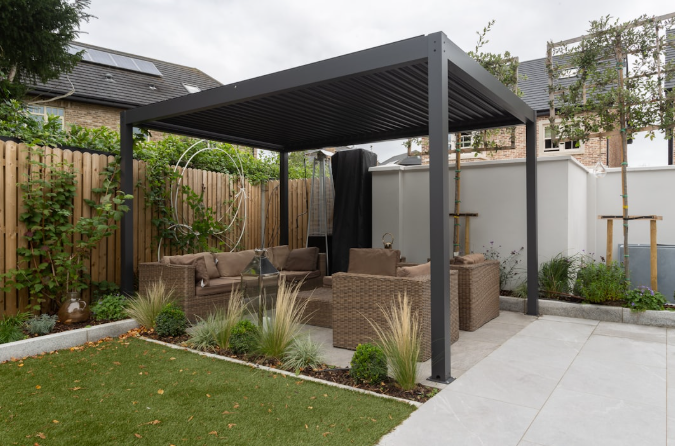
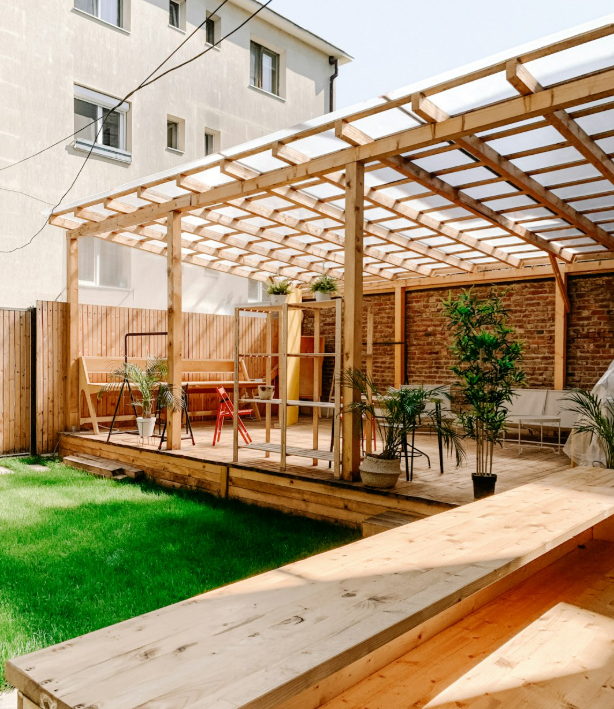
Modern wooden pergola with seating area and greenery in a Fort Worth backyard

Choosing the right outdoor structure can significantly enhance the beauty and functionality of your home, especially in Fort Worth, where outdoor living is a cherished part of the lifestyle. When it comes to pergolas and arbors, understanding the distinct features and benefits of each can help you make an informed decision that complements your space. Pergolas in Fort Worth offer open, airy designs that provide shade and an elegant framework for climbing plants, while arbors near me typically feature seating and roofs, creating intimate garden entryways. With expert advice and insights from the American Society of Landscape Architects, Fort Worth homeowners can confidently select the best materials and designs that suit their needs. Whether you’re looking to boost property value or simply enjoy more time in your backyard, Texas outdoor living solutions offer endless possibilities. 

Pergolas and arbors are popular outdoor structures that can transform your Fort Worth home’s exterior. Let’s explore their key differences, benefits, and popular design styles to help you make an informed decision for your outdoor space.

Key Differences Explained

Pergolas and arbors serve different purposes in outdoor design. Pergolas are larger structures that create defined outdoor living areas, while arbors are smaller and often used as entryways or focal points in gardens.

Pergolas typically feature an open roof design with beams or lattice work, providing partial shade and support for climbing plants. They’re ideal for creating outdoor rooms or covering patios.

Arbors, on the other hand, are usually arched or square-topped structures with a more enclosed feel. They’re perfect for framing garden paths or creating intimate seating areas.

Benefits of Outdoor Structures

Adding a pergola or arbor to your Fort Worth home can bring numerous advantages to your outdoor living experience.

These structures provide a balance of sun and shade, making your outdoor space more comfortable throughout the day. They also offer support for climbing plants, allowing you to incorporate more greenery into your landscape design.

Pergolas and arbors can define specific areas in your yard, creating visual interest and improving the overall aesthetics of your property. They also provide a sense of privacy and can serve as a backdrop for outdoor entertaining.

Additionally, these structures can increase your home’s value by enhancing its curb appeal and expanding usable outdoor living space.

Popular Design Styles

When it comes to pergolas and arbors, there are various design styles to suit different architectural preferences and landscape designs.

Traditional styles often feature classic wood construction with ornate details, complementing colonial or craftsman-style homes. Modern designs may incorporate sleek lines and materials like metal or composite for a contemporary look.

Rustic pergolas and arbors use natural materials and rough-hewn finishes, perfect for creating a cozy, cabin-like atmosphere. Mediterranean-inspired designs often include arched openings and terracotta accents.

For inspiration, check out these stunning pergola designs on Pinterest. Remember to choose a style that complements your home’s architecture and your personal taste.

Finding Quality Pergolas in Fort Worth

When searching for the perfect pergola for your Fort Worth home, it’s essential to consider local suppliers, installation tips, and proper maintenance to ensure long-lasting enjoyment of your outdoor structure.

Trusted Local Suppliers

Logo of Texas Patio and Fence

Finding a reputable supplier for pergolas in Fort Worth is crucial to ensure quality materials and craftsmanship. Look for companies with a strong local presence and positive customer reviews.

Ask potential suppliers about their experience with Fort Worth’s climate and building codes. A knowledgeable supplier can guide you through the selection process and offer custom solutions.

Consider visiting showrooms or completed projects to see the quality of materials and workmanship firsthand. Don’t hesitate to ask for references from previous customers in the Fort Worth area.

Installation Tips for Fort Worth Homes

Proper installation is key to ensuring your pergola withstands Fort Worth’s weather conditions and provides lasting enjoyment. Here are some tips to keep in mind:

  1. Obtain necessary permits from the City of Fort Worth before beginning installation.
  2. Choose a level area with good drainage to prevent water accumulation.
  3. Use weather-resistant materials and hardware suitable for Texas climate.
  4. Ensure proper anchoring to withstand strong winds common in the area.
  5. Consider professional installation for complex designs or if you’re unsure about DIY methods.

Maintenance and Care

Regular maintenance will keep your pergola looking great and extend its lifespan in Fort Worth’s climate.

Clean your pergola annually with a mild detergent and water solution to remove dirt and debris. Inspect for any loose hardware or signs of wear, tightening or replacing components as needed.

For wooden pergolas, apply a protective sealant every 2-3 years to guard against moisture and UV damage. Metal structures may require touch-up paint to prevent rust.

Trim any climbing plants regularly to prevent overgrowth that could damage the structure. Remove debris from the roof area to maintain proper drainage and prevent moisture buildup.

Choosing the Right Materials

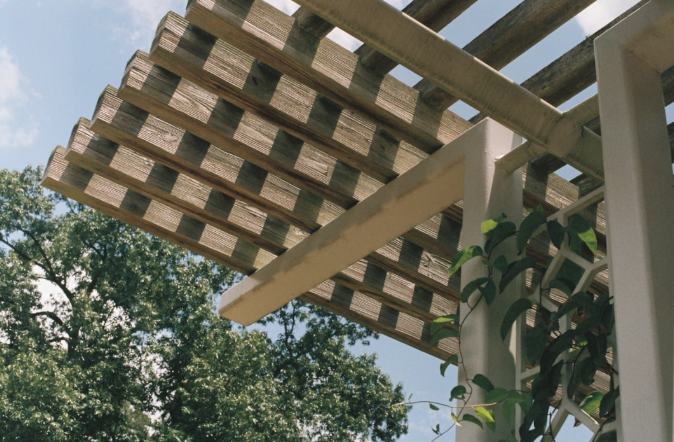
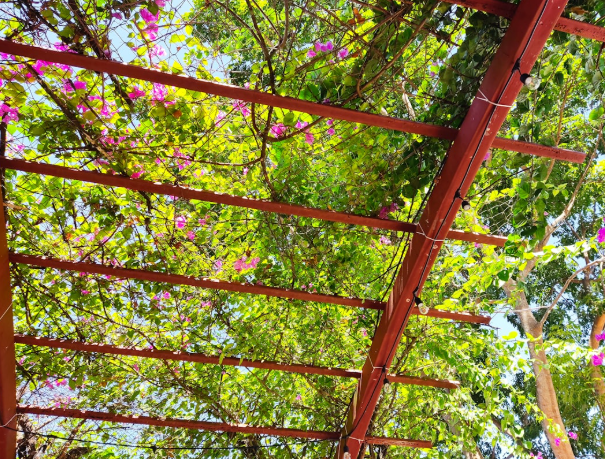
Pergola with wooden beams and flowering vines providing natural shade

Selecting the appropriate materials for your pergola is crucial for its longevity and appearance in Fort Worth’s unique climate. Let’s explore the best options and considerations for your outdoor structure.

Best Pergola Materials for Texas

When choosing materials for pergolas in Fort Worth, durability and weather resistance are key factors to consider.

Cedar and redwood are popular choices due to their natural resistance to decay and insects. These woods also withstand Texas heat well and develop a beautiful patina over time.

For a low-maintenance option, consider composite materials that mimic the look of wood without the need for regular staining or sealing. These materials are resistant to fading, warping, and insect damage.

Aluminum pergolas offer excellent durability and require minimal maintenance, making them ideal for withstanding Fort Worth’s varied weather conditions.

Comparing Wood and Metal Options

Here’s a comparison of wood and metal options for pergolas:

MaterialProsCons
WoodNatural look, customizable, affordableRequires regular maintenance, can warp or rot
MetalDurable, low maintenance, weather-resistantCan be more expensive, limited design options

Wood pergolas offer a classic, warm appearance and can be easily customized. However, they require regular maintenance to prevent weather damage.

Metal pergolas, particularly aluminum, are highly durable and require little upkeep. They’re resistant to rust and can withstand harsh weather conditions, but may have fewer design options compared to wood.

Weather Considerations for Durability

Fort Worth’s climate presents unique challenges for outdoor structures. Consider these weather factors when choosing pergola materials:

  • Hot summers: Select materials that won’t warp or fade in intense heat and sunlight.
  • Occasional freezes: Ensure your chosen material can withstand temperature fluctuations without cracking.
  • Strong winds: Opt for sturdy materials and proper anchoring to prevent damage during storms.
  • High humidity: Choose materials resistant to moisture to prevent rot and mold growth.

By selecting materials suited to Fort Worth’s climate, you’ll ensure your pergola remains beautiful and functional for years to come.

Enhancing Property Value

Adding a pergola to your Fort Worth home can significantly boost its value and appeal. Let’s explore the benefits, design standards, and success stories associated with these outdoor structures.

Home Improvement Benefits

Incorporating a pergola into your outdoor space can yield numerous benefits that enhance your property’s value.

Pergolas create additional living space, effectively expanding your home’s usable square footage. This added outdoor room can be a significant selling point for potential buyers.

These structures also improve curb appeal, giving your home a more polished and inviting appearance from the street. A well-designed pergola can set your property apart in the competitive Fort Worth real estate market.

Energy efficiency is another benefit, as pergolas provide shade that can help reduce cooling costs during hot Texas summers.

Expert Design Standards

The American Society of Landscape Architects recommends following these design standards for pergolas:

  • Scale: Ensure the pergola’s size complements your home and yard without overwhelming the space.
  • Proportion: Maintain a balanced ratio between the pergola’s height, width, and depth.
  • Materials: Choose high-quality, weather-resistant materials that match your home’s style.
  • Functionality: Design the pergola to serve its intended purpose, whether for shade, entertaining, or supporting plants.
  • Integration: Seamlessly blend the pergola with existing landscaping and architectural elements.

Adhering to these standards will result in a pergola that not only looks great but also adds maximum value to your property.

Case Studies and Success Stories

Real estate professionals in Fort Worth have reported positive impacts of pergolas on home values. Here are some key findings:

  • A study of 50 Fort Worth homes found that those with pergolas sold for an average of 7% more than comparable homes without.
  • One Fort Worth family reported a 150% return on investment after adding a custom cedar pergola to their backyard.
  • A local realtor noted that homes with well-designed outdoor living spaces, including pergolas, typically spend 30% less time on the market.

These success stories demonstrate the tangible value that a thoughtfully designed pergola can add to your Fort Worth home.

Frequently Asked Questions

To help Fort Worth homeowners make informed decisions about pergolas and arbors, we’ve compiled answers to some common questions.

Pergola vs. Arbor: A Comparison

Pergolas and arbors serve different purposes in landscape design. Here’s a quick comparison:

  • Size: Pergolas are typically larger, creating outdoor rooms. Arbors are smaller, often used as entryways.
  • Structure: Pergolas have an open roof with beams. Arbors usually have a more enclosed, arched top.
  • Function: Pergolas define larger spaces for seating or dining. Arbors frame pathways or create small seating nooks.
  • Plant support: Both support climbing plants, but pergolas offer more extensive coverage.

Choose based on your specific needs and the available space in your Fort Worth yard.

Selecting Wood for Texas Conditions

When choosing wood for outdoor structures in Texas, consider these options:

  • Cedar: Naturally resistant to decay and insects, ideal for Texas climate.
  • Redwood: Durable and weather-resistant, but more expensive.
  • Pressure-treated pine: Affordable and treated to resist rot, but may require more maintenance.

For best results in Fort Worth’s climate, opt for cedar or redwood if budget allows. These woods withstand heat and humidity well while providing natural beauty.

Common Installation Questions

Here are answers to frequently asked installation questions:

  1. Do I need a permit? Yes, Fort Worth typically requires permits for pergolas. Check with the city’s building department for specific requirements.
  2. How deep should support posts be? Generally, posts should be buried at least 1/3 of their above-ground height, with a minimum depth of 2 feet.
  3. Can I install a pergola myself? While DIY is possible for simple designs, professional installation is recommended for complex structures or if you’re unsure about the process.
  4. How long does installation take? Professional installation usually takes 1-3 days, depending on the pergola’s size and complexity.
  5. Can pergolas be attached to my house? Yes, but this requires careful planning and may need additional permits. Consult a professional for proper attachment methods.

Pergolas vs. Arbors: A Homeowner’s Guide to Outdoor Design in Texas

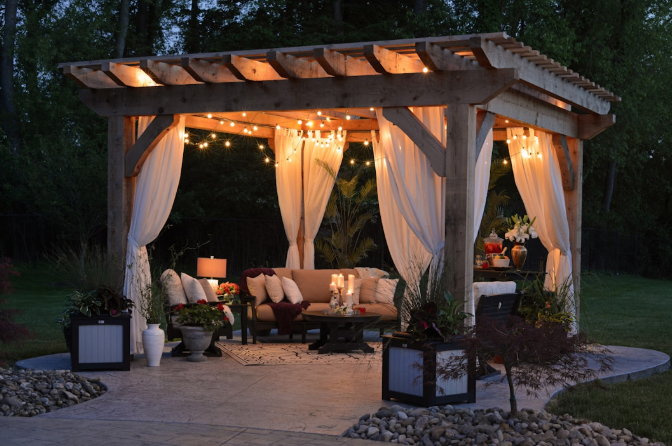
Modern pergola with wicker seating in a landscaped Texas backyard.

When it comes to enhancing your outdoor living spaces in Texas, the choice between pergolas and arbors can significantly influence the aesthetic and functionality of your home. Both structures offer unique benefits and styles that cater to varying tastes and needs, making them popular options for homeowners aiming to create beautiful and practical outdoor areas. This guide will delve into the specifics of each design, considering the best materials suited for Texas’s climate and the practical considerations that come with installation. By consulting authoritative sources and expert advice, we aim to provide you with a comprehensive understanding of how pergolas and arbors can elevate your home improvement projects. Whether you’re seeking to add charm with arbors for homes or exploring pergola materials that withstand Texas weather, this article is crafted to help you make informed and confident decisions.

In this section, we’ll explore the key differences between pergolas and arbors, the benefits they bring to outdoor spaces, and how to select the right structure for your Texas home.

Difference Between Pergolas and Arbors

Pergolas and arbors are distinct outdoor structures that enhance your landscape in unique ways. Pergolas typically cover larger areas, providing a defined outdoor living space. They consist of vertical posts supporting a roofing grid of beams and rafters, often left open or covered with fabric or vines.

Arbors, on the other hand, are smaller and serve as decorative entryways or focal points in gardens. They usually feature two or four posts with an overhead structure, often arched, and are designed to support climbing plants.

The choice between a pergola and an arbor depends on your specific needs and the layout of your outdoor space. Pergolas are ideal for creating outdoor rooms, while arbors excel at framing pathways or garden features.

Benefits of Outdoor Structures

Adding a pergola or arbor to your Texas home can transform your outdoor living experience. These structures provide numerous benefits that enhance both the functionality and aesthetic appeal of your property.

Pergolas offer shade and shelter, creating comfortable spaces for relaxation and entertainment. They can extend your living area, providing a perfect spot for outdoor dining or lounging. Additionally, pergolas can increase property value and improve energy efficiency by reducing direct sunlight on your home.

Arbors, while smaller, add charm and character to your garden. They create inviting entryways, support climbing plants, and serve as eye-catching focal points. Arbors can also help define different areas within your landscape, guiding visitors through your outdoor space.

Both structures offer opportunities for personalization, allowing you to express your style and complement your home’s architecture.

Selecting the Right Structure

Choosing between a pergola and an arbor requires careful consideration of your outdoor space, lifestyle needs, and design preferences. Start by assessing the available area and its intended use. If you’re looking to create an outdoor living room or patio cover, a pergola might be the better choice.

Consider your home’s architectural style and how the structure will complement it. Traditional homes often pair well with classic arbor designs, while modern houses may benefit from sleek, contemporary pergolas.

Think about maintenance requirements and your willingness to care for climbing plants. Arbors are often designed to support vines, which can require regular pruning and care. Pergolas in Texas can be left bare or outfitted with retractable canopies for easier maintenance.

Design Options for Texas Homes

Wooden arbor with lattice detail and climbing plants in a Texas backyard.

Explore popular styles, customization possibilities, and ways to enhance the aesthetic appeal of your outdoor space with pergolas and arbors.

Popular Styles and Trends

Texas homeowners have a wide array of pergola and arbor styles to choose from, each offering unique charm and functionality. Contemporary designs featuring clean lines and minimal ornamentation are gaining popularity, especially in urban areas.

Rustic and farmhouse-inspired structures remain a favorite in suburban and rural settings. These styles often incorporate natural wood textures and wrought iron accents, creating a warm and inviting atmosphere.

Mediterranean-inspired pergolas with arched tops and decorative columns are also trending, perfectly complementing Spanish-style homes common in parts of Texas. For a touch of elegance, Victorian-style arbors with intricate latticework continue to be a timeless choice for garden enthusiasts.

Customization Possibilities

Personalizing your pergola or arbor allows you to create a truly unique outdoor space that reflects your style and meets your specific needs. Size and shape customization is a primary consideration, ensuring the structure fits perfectly within your landscape.

Material selection offers another avenue for customization. While wood remains popular, metal and vinyl options provide durability and low maintenance. You can also mix materials, such as combining a metal frame with wood rafters for a modern rustic look.

Lighting integration is an excellent way to extend the usability of your outdoor space into the evening hours. Consider built-in LED strips, hanging lanterns, or string lights to create ambiance. Additionally, you can incorporate features like built-in seating, privacy screens, or even outdoor kitchen elements to maximize functionality.

Enhancing Aesthetic Appeal

A well-designed pergola or arbor can significantly boost your home’s curb appeal and create a stunning focal point in your landscape. To enhance the aesthetic appeal, consider the overall color scheme of your outdoor space and choose a finish that complements or contrasts effectively.

Incorporating climbing plants is a classic way to soften the structure and add natural beauty. Wisteria, jasmine, and bougainvillea thrive in Texas climates and can create a lush, romantic atmosphere. For a low-maintenance option, consider adding outdoor curtains or drapes to your pergola for a touch of luxury and privacy.

Accessorizing your structure can also elevate its visual impact. Hanging planters, decorative outdoor art pieces, or even a stylish outdoor fan can add personality and charm to your pergola or arbor, making it a true extension of your home’s interior style.

Choosing the Best Materials

Selecting the right materials for your pergola or arbor is crucial for longevity and performance in the Texas climate. Let’s explore suitable options and considerations.

Pergola Materials for Texas Weather

When selecting materials for pergolas in Texas, durability and weather resistance are key factors. Cedar is a popular choice due to its natural resistance to rot and insects. It also weathers beautifully, developing a silver-gray patina over time.

Treated pine offers affordability and good weather resistance when properly maintained. For those seeking a low-maintenance option, aluminum pergolas provide excellent durability and can be powder-coated in various colors to match your home’s exterior.

Vinyl pergolas are another low-maintenance choice, offering resistance to UV rays and moisture. They come in a variety of colors and styles, making it easy to find one that complements your home’s architecture.

Arbor Durability and Maintenance

Arbors, often smaller and more exposed to the elements, require materials that can withstand Texas weather while maintaining their aesthetic appeal. Wrought iron arbors offer classic elegance and exceptional durability, though they may require periodic repainting to prevent rust.

Composite materials, made from a blend of wood fibers and plastic, provide the look of wood with minimal maintenance. These arbors resist rot, insects, and fading, making them ideal for Texas climates.

For a natural look, redwood arbors offer excellent durability and resist decay naturally. Regular sealing can help maintain their rich color and protect against moisture damage.

Eco-Friendly and Sustainable Choices

As environmental concerns grow, many homeowners are opting for eco-friendly materials for their outdoor structures. Reclaimed wood pergolas and arbors offer a sustainable option with unique character and charm. Each piece tells a story and reduces demand for new lumber.

Bamboo, while less common, is gaining popularity as a renewable resource for outdoor structures. It grows quickly and offers strength comparable to many hardwoods. Bamboo pergolas and arbors can provide a distinctive, tropical feel to your Texas landscape.

For metal structures, look for options made from recycled aluminum or steel. These materials can be recycled again at the end of their lifespan, reducing environmental impact.

Local Installation and Services

Finding the right professionals to bring your pergola or arbor vision to life is crucial. This section will guide you through the process of selecting and working with local contractors.

Finding Reliable Contractors

Locating a trustworthy contractor for your pergola or arbor project is essential for ensuring quality workmanship and a smooth installation process. Start by researching local companies specializing in outdoor structures. Look for contractors with experience specifically in pergolas and arbors for Texas homes.

Check online reviews and ratings on platforms like Angi, HomeAdvisor, or local business directories. Pay attention to comments about reliability, communication, and the quality of finished projects. Don’t hesitate to ask for references from past clients.

Consider reaching out to local home improvement stores or lumber yards for recommendations. Many have relationships with reputable contractors and can provide valuable insights. Remember to verify that any contractor you’re considering is licensed, insured, and familiar with local building codes and permit requirements.

Cost Considerations and Quotes

Understanding the costs associated with pergola and arbor installation helps you budget effectively and avoid surprises. Factors influencing the price include the size of the structure, materials used, complexity of design, and any additional features or customizations.

When requesting quotes, be sure to get detailed, itemized estimates from at least three different contractors. This allows you to compare costs accurately and understand what’s included in each proposal. Don’t automatically choose the lowest bid; consider the contractor’s reputation and the quality of materials offered.

Be clear about your budget upfront, and discuss options for phasing the project or alternative materials if needed. Many contractors offer financing options, which can help make your project more affordable.

Importance of Professional Installation

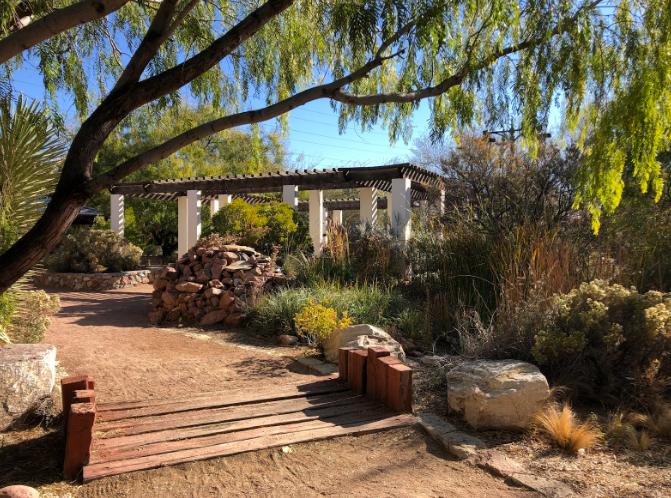
Mediterranean-style pergola professionally installed in a landscaped Texas garden.

While DIY projects can be tempting, professional installation of pergolas and arbors offers numerous benefits. Experienced contractors bring expertise in structural integrity, ensuring your outdoor addition is safe and built to last. They’re familiar with local building codes and can handle necessary permits.

Professional installation often comes with warranties on both labor and materials, providing peace of mind. Contractors have access to specialized tools and equipment, allowing for efficient and precise installation. They can also address site-specific challenges, such as uneven terrain or the need for custom footings.

Opting for professional installation can save you time and potential frustration, especially for larger or more complex projects. It ensures that your new pergola or arbor is a beautiful, lasting addition to your Texas home.

Frequently Asked Questions

Address common queries about pergolas and arbors to help homeowners make informed decisions.

Common Cost Queries

How much does a typical pergola or arbor cost in Texas?

The cost of pergolas and arbors in Texas can vary widely based on size, materials, and design complexity. On average, a basic wood pergola might start around $2,000, while more elaborate designs or those using premium materials can exceed $10,000.

Arbors generally cost less due to their smaller size, with prices starting around $500 for simple prefabricated models and ranging up to $5,000 or more for custom designs.

Factors that can influence cost include:

  • Size of the structure
  • Material choice (wood, vinyl, metal, etc.)
  • Custom design elements
  • Site preparation requirements
  • Professional installation fees

Always get multiple quotes from reputable contractors to ensure you’re getting a fair price for your specific project.

Maintenance Tips and Tricks

Proper maintenance is key to extending the life and beauty of your pergola or arbor. Here are some essential tips:

For wood structures:

  • Apply a protective sealant every 2-3 years
  • Check for and repair any loose screws or bolts annually
  • Inspect for signs of rot or insect damage regularly

For metal structures:

  • Clean with mild soap and water periodically
  • Touch up any scratches or chips in the finish promptly
  • Apply a rust inhibitor if recommended by the manufacturer

For vinyl structures:

  • Wash with soap and water as needed
  • Avoid using abrasive cleaners that could damage the surface
  • Check for any cracks or damage annually

Regular pruning of climbing plants helps maintain the structure’s integrity and appearance. Remove debris from the top of the structure after storms to prevent moisture buildup.

Customization Options Explained

Customizing your pergola or arbor allows you to create a unique outdoor space that perfectly suits your needs and style. Popular customization options include:

  1. Size and shape adjustments to fit your specific space
  2. Material choices, including wood types, metal finishes, or composite options
  3. Roofing additions, such as retractable canopies or polycarbonate panels
  4. Built-in features like benches, planters, or outdoor kitchen elements
  5. Lighting integration, from simple string lights to sophisticated LED systems

Color customization is another way to personalize your structure. Many homeowners choose to match their pergola or arbor to their home’s trim or select a complementary accent color.

For arbors, consider adding decorative elements like scrollwork, lattice panels, or even a small gate. These touches can transform a simple arbor into a charming garden focal point.

Remember that while customization can enhance your outdoor space, it may also impact the overall cost and installation time of your project. Discuss your ideas with your chosen contractor to understand feasibility and budget implications.