

Your Essential Guide to Fort Worth Patio Builders: What Every Homeowner Needs to Know

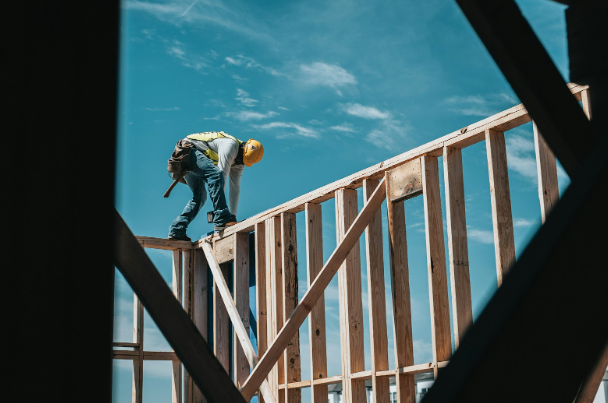
construction workers assembling metal patio framing in fort worth

Finding the right Fort Worth patio builders can feel like sorting through endless options with no clear direction. You want a patio that fits your style and stands up to Texas weather, but knowing where to start often slows the process down. This guide breaks down what patio construction involves, what questions to ask when choosing a patio contractor, and what to expect every step of the way. For inspiration on custom designs, check out how Fort Worth homeowners are upgrading their patios.

Understanding Patio Builders

Patio builders bring your outdoor vision to life, turning empty spaces into functional areas where memories are made. Let’s explore what these professionals actually do and how they can help transform your backyard.

Services Offered by Patio Builders

Fort Worth patio builders offer far more than just concrete slabs. The best contractors provide complete outdoor living solutions tailored to your needs and property.

Most patio companies handle design services, helping you plan the perfect layout for your space. This might include 3D renderings so you can see the finished product before work begins. Many builders also offer material selection assistance, guiding you through options like stamped concrete, pavers, natural stone, or brick.

Beyond basic patio construction, many Fort Worth builders create complete outdoor kitchens, fire pits, pergolas, and shade structures. Some even tackle related projects like retaining walls, outdoor lighting, and drainage solutions to make sure your new patio works perfectly with the rest of your property.

Full-service patio builders can also manage permits and inspections, saving you time and preventing potential headaches with city regulations.

What Patio Builders Do

Professional patio builders handle every aspect of creating your outdoor space, from the first sketch to the final inspection.

The process starts with site evaluation. Builders assess your yard’s slope, soil condition, and existing features to create a plan that works with your property. They identify potential challenges like drainage issues or underground utilities before construction begins.

Once planning is complete, builders prepare the site by removing grass, setting proper grades for drainage, and creating a stable base. This foundation work is critical but often invisible in the finished project. A rushed or poorly executed base leads to cracking, sinking, and other problems down the road.

The actual construction phase involves precise cutting and fitting of materials, proper jointing techniques, and careful attention to details like expansion gaps and edge restraints. Professional builders know exactly how materials behave in Texas heat and how to prevent common issues that plague DIY projects.

Types of Patios Available

Your choice of patio style and materials shapes both the look and function of your outdoor space. Fort Worth homeowners have several excellent options to consider.

Concrete patios remain popular for their durability and value. Basic concrete provides a clean, modern look, while stamped concrete mimics the appearance of more expensive materials like stone or brick at a fraction of the cost. Color options range from subtle earth tones to bold custom hues.

Pavers offer unmatched versatility and come in concrete, brick, or natural stone varieties. The individual pieces create interesting patterns and allow for easy repairs if damage occurs. Many Fort Worth homes feature pavers for their classic appeal and ability to complement various architectural styles.

Natural stone patios, while more expensive, provide unmatched beauty with materials like limestone, sandstone, or flagstone. Each stone has unique coloring and texture, creating a truly one-of-a-kind patio. These materials stay cool underfoot even during hot Texas summers.

Brick patios bring timeless charm and exceptional durability. The small units allow for curved designs and interesting patterns that larger materials can’t achieve.

Choosing the Right Contractor

Finding the perfect patio builder makes all the difference in your project’s success. The right professional turns your ideas into reality while making the process smooth and stress-free.

Key Qualities to Look For

The best Fort Worth patio builders share certain traits that set them apart from average contractors. Knowing these qualities helps you spot true professionals.

Look first for proper licensing and insurance. Legitimate builders carry general liability insurance to protect your property and workers’ compensation for their team. Ask to see proof of both before signing any contracts. This simple step screens out many questionable operators.

Experience with Texas conditions matters tremendously. Fort Worth’s climate demands specific building techniques to handle temperature swings, heavy rains, and occasional freezes. Builders who’ve worked locally for years understand these challenges and build accordingly.

Clear communication signals a professional operation. Great builders listen carefully to your needs, explain options in plain language, and keep you updated throughout the project. They answer questions promptly and document everything in writing.

Detailed contracts protect both parties and show a builder’s professionalism. Look for specifics about materials, timeline, payment schedule, and warranty coverage. Vague proposals often lead to misunderstandings and disputes later.

Check what past customers say about working with the company. Look beyond star ratings to read actual reviews on platforms like Yelp, where customers share their real experiences.

Questions to Ask Potential Contractors

Smart questions help you quickly separate quality patio builders from those you should avoid. Ask these questions during your initial meetings.

“How long have you been building patios in Fort Worth?” Experience matters, especially local experience with our specific soil and climate conditions. A builder with 10+ years in the area likely understands local challenges.

“Can you share addresses of patios you’ve built in the last year?” Good builders happily provide references and locations of recent work. Drive by these properties to see their craftsmanship firsthand.

“What materials do you recommend for my specific situation and why?” Their answer reveals their knowledge and whether they customize solutions or use one-size-fits-all approaches.

“How do you handle drainage issues?” This technical question shows if they understand one of the most critical aspects of patio construction. Proper drainage prevents water damage to both the patio and your home.

“What does your warranty cover and for how long?” Quality builders stand behind their work with meaningful warranties, not vague promises. Get warranty details in writing.

“Who will supervise my project daily?” Know who makes decisions on-site and how often the owner or project manager checks the work.

Evaluating Contractor Portfolios

A contractor’s past work tells you more than their words ever could. Here’s how to evaluate portfolios effectively.

Request to see photos of completed projects similar to what you envision. Look for consistent quality across multiple projects rather than just one showcase example. Pay attention to details like clean edges, even jointing, and thoughtful integration with existing structures.

Ask about projects from 3-5 years ago, not just recent work. This reveals how well their patios hold up over time. Some materials look great when new but deteriorate quickly without proper installation techniques.

When reviewing before-and-after photos, note how contractors handled challenges like slopes, existing trees, or unusual spaces. Creative problem-solving shows true expertise.

Visit at least one completed project in person if possible. Photos can be deceiving, but seeing the actual work lets you check craftsmanship up close. Notice how the patio fits with the home and whether the proportions feel right.

Don’t just look at the patio itself, examine transitions between different areas and materials. Smooth transitions between your home, patio, and yard require skilled planning and execution.

The Patio Construction Process

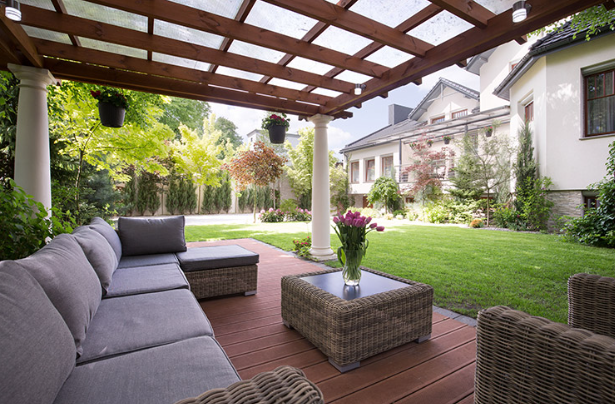
covered patio with outdoor seating overlooking a landscaped backyard in fort worth

Understanding each step of the patio building process helps you plan better and know what to expect as your project unfolds.

Initial Consultation and Design

The first meeting with your patio builder sets the foundation for everything that follows. This crucial planning phase determines both the look and function of your new space.

During the initial consultation, your builder will walk your property, take measurements, and discuss your vision. Be ready to share how you plan to use the space, for dining, entertaining, or relaxing, as this shapes the design. Bring inspiration photos or ideas you’ve collected to help communicate your style preferences.

Most professional builders use this information to create a concept design, which might include sketches or 3D renderings. This visual representation helps you see how the finished patio will look and function in your specific yard. Don’t hesitate to request changes at this stage, it’s much easier to adjust a drawing than a completed patio.

The design phase also includes material selection. Your builder should show you samples of pavers, stones, or concrete finishes to help you make informed choices. Consider how these materials look with your home’s exterior and how they perform in Fort Worth’s climate.

By the end of this phase, you’ll have a detailed plan and cost estimate for your approval before any construction begins.

Building and Installation Steps

Once your design is finalized, the physical work of creating your patio follows a specific sequence to ensure quality and durability.

The process starts with marking the patio area and carefully removing existing grass, plants, or structures. Many homeowners are surprised by how much preparation work happens before any new materials appear. This site prep typically takes 1-3 days depending on your yard’s condition.

Next comes excavation to the proper depth, which varies based on your chosen materials and local soil conditions. In Fort Worth, builders typically dig 6-10 inches below the finished grade to allow room for a solid base. This stage might reveal unexpected issues like poor drainage or unstable soil that need addressing.

Base preparation follows excavation. Your builder will add layers of crushed stone or gravel, compacting each layer thoroughly. This hidden foundation prevents settling and cracking later. Quality builders never rush this critical step, even though it’s invisible in the finished project.

Only after proper base preparation does the visible work begin, laying pavers, pouring concrete, or setting stone. This phase shows dramatic daily progress as your patio takes shape. The final steps include adding edge restraints, filling joints between pavers, or applying sealants to protect your investment.
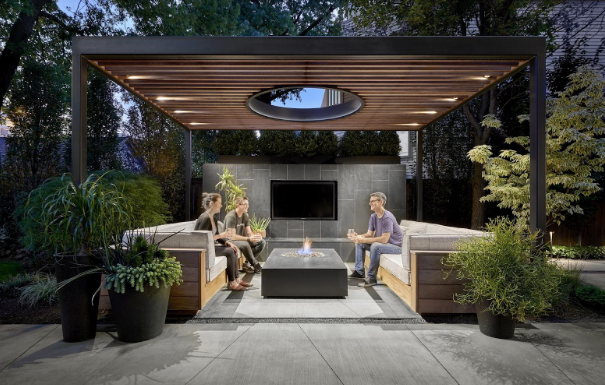
Throughout construction, expect regular communication from your builder about progress and any decisions needed along the way.

Final Walkthrough and Quality Checks

The completion of your patio isn’t marked by the last stone being laid, it’s when you’re completely satisfied with every aspect of the work.

Professional Fort Worth patio builders conduct thorough quality checks before considering a project finished. They inspect for consistent joint widths, proper drainage slope, secure edge restraints, and clean transitions between materials. Many use levels and other tools to verify that everything meets industry standards.

During your final walkthrough, the builder should point out key features and explain any maintenance requirements. This is your opportunity to ask questions and identify any areas that need attention. Don’t rush this inspection, take time to look at details from different angles and in various lighting conditions.

A complete project includes site cleanup and restoration of any disturbed areas around the new patio. Your yard should be left neat with construction debris removed and affected lawn areas raked and ready for recovery.

Before making your final payment, confirm that all aspects of your contract have been fulfilled. This includes any permits being closed out properly with the city. Ask for written warranty information and care instructions for your specific patio materials.

Enhancing Outdoor Living Spaces

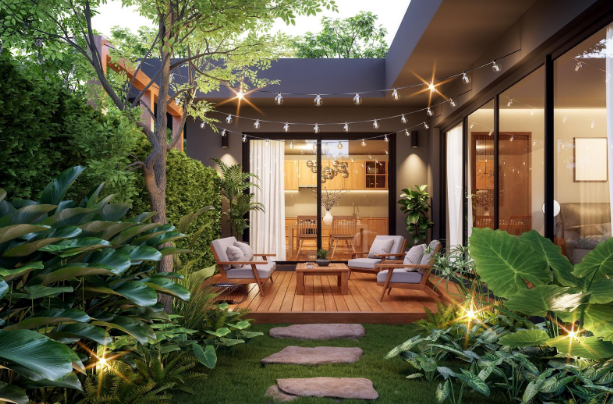
modern outdoor patio with deck, water feature, and lounge seating surrounded by greenery

Your new patio creates the foundation for a complete outdoor living area. The right additions turn this space into a true extension of your home.

Popular Patio Design Trends

Fort Worth homeowners are embracing several exciting trends that make patios more functional and beautiful year-round.

Outdoor rooms have become the standard rather than just basic patios. These defined spaces include cooking areas, dining sections, and lounging spots, each with specific furnishings and features. This zoned approach makes large patios feel more intimate and purposeful.

Fire features rank among the most requested additions to Fort Worth patios. Fire pits and fireplaces extend your outdoor season into cooler months and create natural gathering spots. Built-in versions offer safety advantages over portable units and can be designed to match your patio materials.

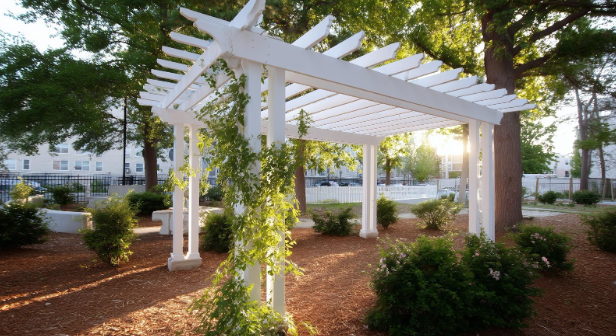
Shade structures have evolved beyond basic umbrellas. Pergolas with retractable canopies, solid roof pavilions, and custom awnings protect from both sun and rain. Many Fort Worth families add fans or misting systems to these structures for extra comfort during summer heat.

Water features bring soothing sounds and visual interest to outdoor spaces. Options range from simple fountain bowls to elaborate cascading waterfalls built into retaining walls. The sound of water creates a peaceful atmosphere that masks neighborhood noise.

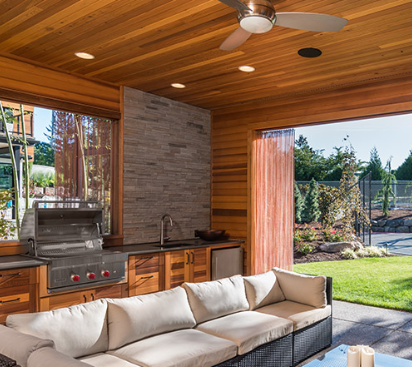
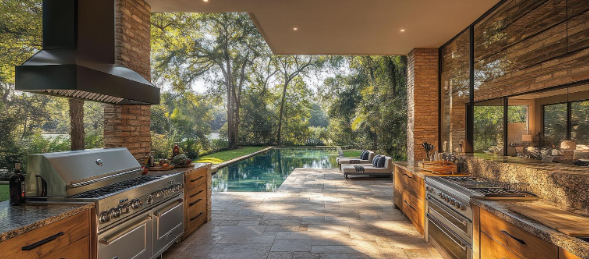
Outdoor kitchens continue gaining popularity, with designs moving beyond just grills to include refrigerators, sinks, storage, and specialized cooking equipment. These kitchens keep hosts connected with guests rather than running back and forth to the house.

Integrating Outdoor Furniture and Decor

The right furnishings transform your patio from an empty space to a welcoming retreat. Smart selections make all the difference in comfort and style.

Start with quality, weather-resistant furniture built for outdoor use. Look for powder-coated aluminum frames, marine-grade fabrics, and all-weather wicker that stand up to Texas sun and occasional storms. These materials might cost more initially but save money over time by avoiding yearly replacements.

Create conversation areas with seating arranged in groups rather than lined against walls. Position chairs and sofas to face each other, with tables within easy reach. The goal is comfortable interaction without awkward stretching or shouting across spaces.

Add layers of lighting for both function and atmosphere. Combine overhead lights for general illumination, task lighting near cooking or dining areas, and accent lighting to highlight

Why Electric Gates Are the Smart Choice for Texas Homes and Properties

Electric gate entrance installation for Texas home by Texas Patio and Fence.

Electric gates can be a game-changer for Texas homes, but not all installations live up to their promise. You want a setup that boosts your property’s security without endless headaches or costly repairs. That’s where Texas Patio and Fence steps in, offering electric gate installation backed by solid craftsmanship and local know-how. Keep reading to learn how investing in the right electric gate brings convenience and peace of mind tailored to your needs.

The Advantages of Electric Gates

Your property deserves protection that works around the clock. Electric gates offer a powerful first line of defense while making your daily routine smoother and more convenient.

Enhancing Home Security

Electric gates create a clear boundary that keeps unwanted visitors at bay. This physical barrier serves as both a visual deterrent and a real obstacle for potential intruders.

When you install an electric gate, you gain control over who enters your property. Many Texas homeowners report feeling more at ease knowing their children can play freely in the yard without worry about strangers or stray animals wandering in.

Modern electric gates can be paired with cameras, intercoms, and smart home systems for extra protection. This allows you to see and speak with visitors before granting them access, even when you’re miles away from home.

Did you know that many insurance companies offer discounts for homes with security gates? The added protection can sometimes lower your premiums, creating long-term savings beyond the security benefits.

Convenience at Your Fingertips

Imagine never having to step out of your car during a Texas downpour just to open your gate. Electric gates eliminate this hassle with the simple press of a button.

Most systems come with remote controls that work from inside your vehicle. You can pull up to your property and open the gate without rolling down your window or exposing yourself to extreme weather conditions that Texas is known for.

For busy families, this time-saving feature adds up. No more searching for gate keys or manually pushing heavy gates open and closed multiple times a day.

The convenience extends beyond daily use. When expecting guests or deliveries, many systems allow you to grant temporary access codes or open the gate remotely from your phone, making hosting and receiving packages much simpler.

Texas-Tested Durability

Texas weather doesn’t play nice with outdoor installations. From scorching summers to unexpected freezes, your gate needs to withstand it all.

Quality electric gates are built with these challenges in mind. The best systems use weather-resistant materials and components specifically designed to handle temperature extremes without failing.

Local companies like Texas Patio and Fence understand these regional demands. They select motors, control boards, and materials that stand up to our unique climate conditions. This local expertise means fewer breakdowns and longer-lasting performance.

The most durable gates aren’t just weather-resistant—they’re also designed with power fluctuations in mind. Backup battery systems ensure your gate works even during outages, a common concern during Texas storm seasons.

Texas Patio and Fence Services

Texas Patio and Fence Logo.

When choosing a partner for your electric gate project, local experience makes all the difference in achieving lasting results that truly fit your property’s needs.

Professional Installation Process

The installation of your electric gate starts with a thorough site assessment. Texas Patio and Fence technicians examine your property’s layout, soil conditions, and existing structures to determine the best approach.

This careful planning prevents common problems like poor drainage, uneven operation, or gates that struggle to open on sloped driveways. The team takes measurements and discusses your preferences before drafting a detailed plan.

On installation day, trained professionals handle everything from concrete work to electrical connections. They work efficiently to minimize disruption to your property while ensuring every component is properly secured and tested.

Before considering the job complete, the team walks you through operation and basic maintenance. This hands-on training ensures you feel comfortable with your new system from day one.

Tailored Customization Options

Your property has its own character, and your gate should complement it perfectly. Texas Patio and Fence offers a wide range of design options to match your home’s style.

For ranch properties, wide swing gates with Texas-inspired designs create a welcoming entrance. Urban homes might benefit from space-saving sliding gates with modern lines and materials.

Beyond aesthetics, you can choose from practical features like keypad entry, smartphone control, or vehicle detection sensors. Each option can be mixed and matched to create a system that fits your specific needs.

The team helps you select the right motor power for your gate size and weight. This careful matching ensures smooth operation year after year, avoiding the strain and premature wear that comes from undersized components.

Reliable Maintenance of Electric Gates

Even the best electric gates need regular care to keep working smoothly. Texas Patio and Fence provides maintenance plans that help extend your gate’s lifespan.

These check-ups include lubricating moving parts, testing safety features, and adjusting settings as needed. Small adjustments made during these visits prevent bigger problems down the road.

For gates with advanced features, software updates and electronic diagnostics keep everything running at peak performance. This proactive approach catches potential issues before they lead to system failures.

Should your gate ever need repairs, having a relationship with your installer means faster service. The team already knows your system’s specifics, allowing them to troubleshoot more effectively than companies seeing your gate for the first time.

Understanding Electric Gate Pricing

Modern Texas home with electric driveway gate illustrating electric gate pricing factors.

Investing in an electric gate brings up natural questions about costs. Let’s break down what influences pricing and how to find options that work within your budget.

Factors Influencing Costs

Gate size plays a major role in determining price. Wider entrances require more materials and often more powerful motors, increasing the overall investment.

The materials you choose impact both appearance and cost. Ornamental iron gates typically cost more than aluminum versions, while wood gates fall somewhere in between depending on the type of wood selected.

Your choice of operating system also affects the bottom line. Basic remote-controlled systems cost less than gates with advanced features like camera integration, biometric readers, or smart home connectivity.

Site conditions sometimes create additional expenses. Sloped driveways might need special gate designs, while properties without nearby power sources may require trenching for electrical lines.

Budget-Friendly Options

If you’re working with a tighter budget, consider a sliding gate rather than a swing design. These often require less powerful motors and fewer specialized components.

Phasing your project can make costs more manageable. Start with a basic gate system, then add advanced features like cameras or automatic lighting in the future as your budget allows.

Some homeowners save by choosing standard designs rather than custom patterns. Pre-fabricated gate sections offer significant savings while still providing security and convenience benefits.

Ask about financing options or seasonal promotions. Many companies offer payment plans that make this investment more accessible, allowing you to enjoy the benefits of an electric gate without paying the entire cost upfront.

Common Buyer Questions Answered

Making an informed decision means getting clear answers to your practical questions about electric gate ownership.

Installation Timelines Explained

Most standard electric gate installations take between 2-3 days to complete. This timeline includes setting posts, hanging the gate, installing the motor, and connecting electrical components.

Custom projects with extensive groundwork or special design elements may require 5-7 days. The extra time ensures proper curing of concrete and careful installation of decorative features.

Weather conditions can sometimes cause delays, especially for projects requiring concrete work. Your installation team should communicate any schedule changes and provide updated timelines if needed.

The good news? Once installation begins, the process moves quickly. Most homeowners are surprised by how smoothly the work progresses when handled by experienced professionals.

Ensuring Long-Term Maintenance

Keeping your electric gate working properly starts with simple owner care. Regularly clear debris from tracks or hinges, and watch for any changes in how the gate operates.

Professional maintenance visits are recommended twice yearly in Texas. Spring checks prepare your system for the intense summer heat, while fall visits ensure everything’s ready for potential winter weather.

Most motors and electronic components last 8-10 years with proper care. Planning for eventual replacement of these parts helps avoid unexpected expenses down the road.

Battery backup systems need checking every 2-3 years, as their capacity diminishes over time. This simple replacement prevents being locked out during power outages.

FAQ and Next Steps

Ready to move forward with your electric gate project? These final considerations will help you make your decision with confidence.

Addressing Decision-Stage Concerns

Will an electric gate work during power outages?
Yes, when equipped with a battery backup system. These batteries automatically take over during outages, typically providing 50-100 cycles of operation before needing recharging.

How noisy are electric gates?
Modern motors run surprisingly quietly. From inside your home, you’ll rarely hear the gate operating. Some systems even offer “quiet mode” for nighttime use.

Can my existing driveway gate be converted to electric?
In most cases, yes. The feasibility depends on your gate’s weight, condition, and how it’s hung. A professional assessment will determine if conversion makes sense or if replacement would be more cost-effective.

What happens if something blocks the gate while closing?
Safety sensors detect obstacles and immediately stop and reverse the gate’s movement. This prevents damage to vehicles and injury to people or pets.

How to Book a Consultation

Taking the next step is simple. Contact Texas Patio and Fence by phone at 817.332.0069 to schedule your free property assessment.

During this no-pressure consultation, a gate specialist will measure your entrance, discuss your needs, and provide design options that match your home’s style.

You’ll receive a detailed quote outlining all costs with no hidden fees. This transparent approach helps you make an informed decision about your investment.
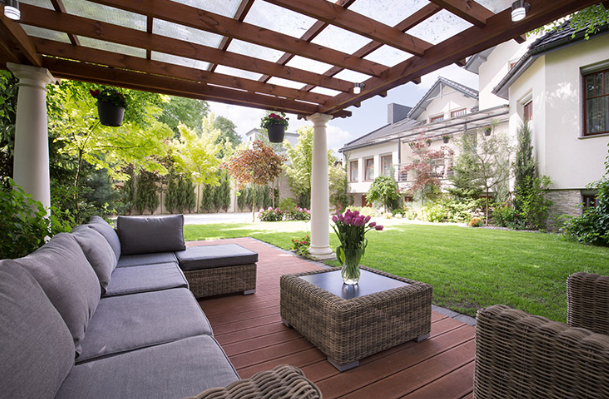
The team can typically schedule consultations within one week, allowing you to move forward with your project quickly once you’re ready to proceed.

Want more inspiration before your consultation? Browse stunning electric gate designs on Pinterest to gather ideas, or read what other homeowners recommend about building driveway entrances on Reddit.

Learn more about how driveway gates can transform your Fort Worth property or explore the security benefits of driveway gates in greater detail.

Your property deserves the best combination of security, convenience, and style. With the right electric gate, you’ll enjoy these benefits for years to come.

Choosing the Right Electric Gates: Craftsmanship and Affordability at Texas Patio and Fence

Modern black metal electric gate installed by Texas Patio and Fence, showcasing durable craftsmanship and automated entry design suitable for Texas weather.

Finding electric gates that hold up against Texas weather is tougher than most expect. Many homeowners settle for designs that don’t last or installations that fall short. Texas Patio and Fence offers durable electric gates paired with professional installation tailored for local conditions. This guide breaks down how these automatic entry systems work, what makes their craftsmanship stand out, and answers key questions about cost, maintenance, and timelines for Texas communities.

Understanding Electric Gates

Electric gates combine mechanical parts with electronic controls to create entry systems that work without manual effort. Let’s look at what makes them tick and why so many Texas homeowners are making the switch.

How Electric Gates Work

Electric gates run on a simple but smart system. When you press your remote, a signal travels to a control box mounted near your gate. This box then tells a motor to start turning gears that pull or push your gate open.

Most systems come with safety features built in. Sensors detect objects in the gate’s path and stop movement to prevent accidents. This matters for families with kids and pets running around.

Your gate motor needs power, typically from standard home electrical lines. Many modern systems include backup batteries that keep your gate working during power outages – a must-have feature during Texas storm season.

The brains of your system live in the control panel. Here you can set how long your gate stays open, program different access codes for family members, and connect to phone apps for remote control when you’re away from home.

Advantages of Automatic Entry Systems

The first thing you’ll notice with electric gates is pure convenience. No more getting out of your car in rain, heat, or darkness to open a manual gate. Just click a button and drive through – a game-changer for daily life.

Electric gates boost your property’s value too. Real estate agents report that homes with automatic entry systems often sell faster and for higher prices than similar properties without them. The combination of curb appeal and security makes a strong impression on potential buyers.

For families with busy schedules, these systems save precious minutes every day. Parents appreciate not having to leave children unattended in the car while manually opening gates. Small time savings add up over months and years of property ownership.

Many homeowners don’t realize that electric gates can be programmed with different access schedules. You can set your gate to automatically open during certain hours for regular deliveries or visitors, then secure itself during nighttime hours for peace of mind.

Benefits of Durable Electric Gates

Technician installing a weather-resistant electric gate motor with protective control box, illustrating durable materials and Texas-ready features like sealed electronics and rust-proof components.

Texas weather demands more from outdoor installations than most places. From scorching summers to surprise storms, your gate needs to handle it all without breaking down.

Weather-Resistant Features

Texas throws everything at your property – blazing sun, heavy rain, and sometimes even ice. Quality electric gates use materials specifically chosen to withstand these challenges.

The control boxes for durable gates come with weather-tight seals that keep moisture out. This prevents short circuits and extends the life of sensitive electronic components. Look for systems with IP65 ratings or higher, which means they’re built to resist dust and water infiltration.

Gate tracks and hinges need special attention in Texas climates. The best systems use galvanized steel or aluminum that won’t rust when exposed to moisture. Some manufacturers add protective coatings that reflect heat and UV rays, preventing warping and color fading that can affect gate operation.

Motors for Texas-ready gates include thermal protection features. These automatically shut down the system if temperatures get too high, preventing burnout during those 100+ degree summer days. Once cooled, they restart without needing service calls.

Enhancing Home Security

Electric gates create a physical barrier that makes unauthorized access much harder. This simple fact deters many potential intruders who prefer easier targets.

Modern gate systems can connect to your home security network. When someone approaches, cameras activate, lights turn on, and you receive alerts on your phone. This layered approach to security gives you complete awareness of who’s coming and going.

For families with children, electric gates provide peace of mind about kids playing outdoors. The controlled access means little ones can’t wander off property, and strangers can’t easily enter your yard space.

Smart gate systems now offer temporary access codes for delivery drivers, service workers, or guests. This means no more sharing your permanent code with multiple people – just create and delete temporary access as needed for maximum security.

Texas Patio and Fence Craftsmanship

Texas Patio and Fence Logo.

What makes some electric gates last for years while others need constant repairs? The difference lies in materials and installation expertise – two areas where local knowledge matters.

Quality Materials Used

Texas Patio and Fence selects materials based on proven performance in local conditions. Their gates feature heavy-duty frames that resist bending and warping even after years of daily use.

The company uses commercial-grade motors with higher torque ratings than standard residential options. This means your gate opens smoothly every time, even during windy conditions that put extra stress on moving parts.

Control systems come with surge protection built in – a critical feature in a state known for lightning storms. This prevents expensive damage to circuit boards and wiring that might otherwise require complete system replacement.

For gate panels themselves, they offer multiple material options including wrought iron designs that combine classic looks with modern strength. Each material is chosen for its specific performance characteristics in Texas heat, humidity, and weather patterns.

Skilled Professional Installation

Even the best gates fail when installed incorrectly. Texas Patio and Fence technicians bring years of experience with local soil conditions, drainage patterns, and property layouts.

Their installation process starts with proper foundation work. Concrete footings extend below the frost line and are sized appropriately for your specific gate weight and soil type. This prevents the settling and shifting that leads to misaligned gates and operational problems.

Electrical connections receive special attention during installation. Wiring is run through protective conduit, buried at proper depths, and connected with waterproof fittings. This attention to detail prevents the electrical failures that plague poorly installed systems.

The team doesn’t consider installation complete until every safety feature is tested multiple times. They verify that obstruction sensors work correctly, that manual override systems function during power outages, and that all remote controls and keypads communicate properly with the main system.

Affordability and Cost Expectations

Modern light-gray electric driveway gate highlighting budget-friendly installation options offered by Texas Patio and Fence for homeowners seeking affordable automatic gate solutions.

Getting an electric gate doesn’t have to break the bank. With smart planning and the right partner, you can find options that fit your budget while delivering the quality you need.

Budget-Friendly Options

Electric gate prices vary based on size, materials, and features. Basic systems for standard driveways typically start around $2,500, while custom designs with premium materials can range up to $10,000 or more.

Texas Patio and Fence offers package options that bundle gate construction with automatic openers. These packages often cost less than purchasing components separately, saving you money without sacrificing quality.

Many homeowners don’t know that phased installation can make electric gates more affordable. You can start with a manual gate built with the right specifications, then add the automatic opener system later when your budget allows.

Financing options make quality gates accessible to more homeowners. With monthly payment plans, you can enjoy the security and convenience of an electric gate now while spreading the cost over time. The company works with several lenders to find terms that fit your financial situation.

Installation Timelines Explained

Most standard electric gate installations take 2-3 days to complete. The process includes setting posts, hanging the gate, installing the motor system, and testing all components.

Custom designs naturally take longer, typically 5-7 days from start to finish. This extra time allows for proper curing of concrete footings and careful alignment of custom gate panels.

Weather can affect installation schedules, especially during rainy seasons. The team monitors forecasts and plans concrete work for dry periods to ensure proper setting and strength.

The company provides clear project timelines before work begins. You’ll know exactly when crews will arrive, how long they’ll be on site each day, and when you can expect your gate to be fully operational. This transparency helps you plan around the installation process with minimal disruption to your daily routine.

Frequently Asked Questions

Homeowners often have similar questions about electric gates. Here are straight answers to the most common concerns about keeping your gate working well and what to expect during installation.

Gate Maintenance Tips

Electric gates need regular check-ups to stay in top shape. Every three months, inspect hinges and moving parts, tightening any loose bolts and applying lubricant to reduce wear.

Keep the gate track clean of debris, leaves, and dirt. This simple step prevents many operational problems and extends the life of your motor system. A quick sweep or blow-out with a leaf blower takes just minutes but saves hours of troubleshooting later.

Battery backup systems require attention too. Most need replacement every 2-3 years, depending on how often they’re used during power outages. Mark your calendar to check battery condition annually, ideally before storm season arrives.

For gate owners in rural areas, check for pest nests regularly. Wasps, ants, and other critters often build homes in control boxes and motor housings, causing shorts and system failures. A quick visual inspection can catch these problems before they affect gate operation.

Common Installation Concerns

“Will my gate work during power outages?” This tops the list of homeowner questions. The answer is yes – if you choose a system with battery backup. These systems automatically switch to battery power when electricity fails, keeping your gate functional when you need it most.

Many wonder about DIY installation to save money. While possible for those with electrical and construction experience, professional installation typically costs less in the long run. DIY mistakes often lead to premature system failure and safety issues that require expensive fixes.

“How long will my electric gate last?” With proper installation and maintenance, expect 15-20 years from quality systems. The motor might need replacement after 8-10 years of daily use, but the gate structure itself should last decades when built with weather-appropriate materials.

Homeowners often ask about integrating gates with home automation systems. Most modern gate controllers can connect with smart home platforms, allowing you to control your gate through the same apps you use for lights, thermostats, and other home systems.

Texas weather demands more from your property investments. By choosing electric gates designed specifically for local conditions and installed by experienced professionals, you gain security, convenience, and lasting value. The right gate becomes more than an entry point – it becomes part of what makes your house feel like home.

Weather-Resistant Gates for Texas Homes: Why Local Manufacture Matters

Weather-resistant electric gate for Texas homes by Texas Patio and Fence

Texas weather can test any gate, but most electric gates aren’t built for those challenges. You want your home security to hold up through storms and scorching heat, not fail when you need it most. That’s why choosing weather resistant gates from Texas Patio and Fence, made right here for local conditions, makes all the difference. Let’s explore how these gates work, why professional installation matters, and what benefits you’ll get from a solution designed for Texas homes.

Enhancing Home Security with Electric Gates

Your home deserves strong protection that works around the clock. Electric gates create a physical barrier that keeps unwanted visitors out while letting you control who comes in.

Benefits of Electric Gates

Electric gates stop strangers from simply walking onto your property. This first line of defense makes a big difference in your home’s overall security plan.

When you install an electric gate, you create a clear boundary that says “private property.” Potential intruders are much less likely to target homes with these visible security measures. They prefer easier targets.

Your gate can work with other security tools too. Many homeowners connect their electric gates to security cameras, intercoms, and smart home systems. This creates a complete security network around your property.

The physical presence of a substantial gate also sends a message. It tells visitors and passersby that you take security seriously, which can be enough to prevent problems before they start.

Convenience and Peace of Mind

Imagine driving up to your home in pouring rain. With an electric gate, you stay dry and comfortable in your car while the gate opens automatically.

You won’t need to get out in bad weather or the dark to manually open your gate. Most systems offer remote controls, keypads, or even smartphone apps that let you control access from anywhere. Some gates can even recognize your car and open automatically when you approach.

For families with children or pets, electric gates provide extra safety. Kids can play in the yard without wandering into the street, and pets stay safely contained on your property.

When you’re away from home, you’ll rest easier knowing your property has this extra layer of protection. Many systems send alerts to your phone when the gate opens, so you always know who’s coming and going.

Importance of Weather-Resistant Gates

Technician installing a weather-resistant electric gate motor designed to withstand Texas heat and harsh outdoor conditions.”

In Texas, your gate faces extreme conditions year-round. Standard gates might work fine elsewhere, but here they need special features to stay reliable through everything Mother Nature throws at them.

Withstanding Texas Heat

Texas summer heat can reach 100+ degrees for weeks straight. This intense heat wears down regular gates in ways most people never think about.

The sun’s UV rays break down materials over time. Paint fades and peels, metal expands and contracts, and electronic components can overheat. A gate built specifically for Texas conditions uses UV-resistant finishes and heat-tolerant materials that won’t crack or warp.

The motors and electronic components in electric gates need special protection too. Texas-ready gates use sealed housings that keep out dust and heat-resistant wiring that won’t become brittle in high temperatures.

Water conservation matters in Texas summers. Weather-resistant gates need less frequent maintenance and cleaning, saving water during drought conditions. They also won’t need as many chemical cleaners that might run off into your yard.

Enduring Stormy Seasons

When storms hit Texas, they hit hard. From flash floods to high winds, your gate needs to stand strong when the weather turns nasty.

Water-resistant control boxes and properly sealed motors keep working even during heavy downpours. Standard gates often fail during storms because water gets into their electrical systems. Weather-resistant models use special gaskets and seals to keep water out.

Strong winds test the structural integrity of any gate. Texas-made gates use heavier materials and stronger mounting systems designed to handle gusts without bending or breaking. They’re built with wind loads in mind from the start.

Lightning protection matters too. Quality electric gates include surge protection that guards sensitive electronics from power spikes during storms. This might seem like a small detail until the first time lightning strikes nearby and your gate still works afterward.

Local Manufacture: A Smart Choice

When you choose a gate made in Texas, you get more than just a product – you get something built with real understanding of what your property needs.

Why Texas-Made Matters

Texas-made gates start with a key advantage: they’re designed by people who live with the same weather challenges you do.

Local manufacturers test their gates in actual Texas conditions, not simulated environments. They know firsthand how materials perform after years of sun exposure and seasonal storms. This practical knowledge shapes every design choice.

Parts availability becomes critical when you need repairs. With locally made gates, replacement components are typically in stock nearby – not sitting in a warehouse across the country or overseas. This means faster repairs when something does go wrong.

Local makers also understand Texas soil types and ground conditions, which affect how gates should be installed. They build with these factors in mind, creating more stable and longer-lasting installations from day one.

Supporting Local Craftsmanship

Texas has a proud tradition of skilled craftspeople who take personal pride in their work. This translates to better attention to detail in your gate’s construction.

Local gate makers often build each product for specific customers rather than mass-producing generic designs. Your gate will be made with your property’s exact needs in mind, not as part of a production line.

When you buy locally, you can often visit the workshop to see your gate being built. This transparency lets you verify the quality of materials and workmanship before installation even begins.

Supporting Texas businesses strengthens your local economy. Your purchase creates jobs for your neighbors and helps build a stronger community. It’s an investment that goes beyond just your property.

Professional Installation Advantages

Even the best gate won’t perform right without proper installation. Professional installers bring specialized knowledge that makes all the difference in how your gate functions day to day.

Ensuring Reliable Performance

Professional installers start by analyzing your property’s specific needs. They consider factors like slope, soil type, and traffic patterns to place your gate optimally.

Proper foundation work prevents future problems. Pros know how deep to set posts and what concrete mix works best for your soil conditions. They account for water drainage to prevent erosion around gate posts.

Electrical connections must meet code requirements for safety and reliability. Professional installers understand how to properly ground systems, protect wiring, and connect to your home’s power supply. This prevents common issues that DIY installations often face.

Calibration matters tremendously for smooth operation. Pros adjust limit switches, safety sensors, and operating speeds to match your specific gate’s weight and size. These fine adjustments prevent wear and tear while making your gate more pleasant to use.

Maximizing Longevity and Safety

Safety features require proper setup to function correctly. Professional installers ensure that auto-reverse mechanisms, photoelectric sensors, and pressure sensitivity settings all work as intended.

Most pros offer warranties that cover both parts and labor. This protection gives you peace of mind and actual financial value compared to DIY approaches where you bear all risk.

Regular maintenance schedules often come with professional installation packages. These planned check-ups catch small issues before they become big problems, extending your gate’s useful life.

Proper installation also means better energy efficiency. A correctly installed gate uses less electricity because motors don’t strain against misalignments or improper balancing. This saves money over your gate’s lifetime while being better for the environment.

Electric Gate Maintenance and FAQs

Electric gate with handles and hanging planter, showing maintenance needs

Like any mechanical system, your gate needs some care to keep working its best. With the right approach, maintenance doesn’t have to be complicated or time-consuming.

Essential Maintenance Tips

Keep your gate’s path clear of debris, plants, and obstacles. Even small items can interfere with sensors or get caught in moving parts, causing unnecessary wear.

Inspect visible hardware monthly for signs of loosening. Texas weather cycles of heat and cold can cause bolts and screws to work loose over time. Tightening them early prevents bigger problems.

Clean tracks and moving parts quarterly with a dry cloth. Avoid using water sprays or harsh chemicals that might damage electronic components or cause rust.

Test safety features regularly by placing an object in the gate’s path while closing. The gate should stop and reverse direction. If it doesn’t, call for service immediately – this is a critical safety system.

Lubricate moving parts twice yearly with a silicone-based lubricant. Avoid using WD-40 or similar products, as they attract dust and can actually increase wear over time.

Common Questions Answered

How long do electric gates typically last in Texas?
With proper installation and maintenance, quality electric gates should last 15-20 years in Texas conditions. The motors might need replacement after 8-12 years, depending on usage frequency.

What happens if the power goes out?
Most quality electric gates include a manual release mechanism that allows you to operate the gate by hand during power outages. Some systems also offer battery backup options that keep your gate working for several days without grid power.

Can I install an electric gate on my existing fence?
In many cases, yes, but it depends on the fence’s construction. Your existing posts may need reinforcement to support the gate’s weight and movement. A professional assessment will determine what modifications might be needed.

How much does a weather-resistant electric gate cost?
While prices vary based on size, materials, and features, expect to invest $3,000-$8,000 for a quality residential system including installation. Weather-resistant features might add 15-20% to the base price but save money long-term through reduced repairs.

How do I choose the right gate style for my home?
Consider your home’s architectural style, your security needs, and your budget. Many homeowners find inspiration by exploring different gate designs that complement their property’s overall look.

Your electric gate represents both security and convenience for your Texas home. By choosing weather-resistant materials, local manufacturing, and professional installation, you’re making a smart investment that will serve your family well for many years to come.

How Fort Worth Homeowners Can Upgrade Their Patios with Custom Designs

Custom wood pergola patio with brick flooring and outdoor dining area in Fort Worth backyard

Most patios in Fort Worth look the same—plain concrete, little character, and limited use. You don’t have to settle for a backyard that blends in with your neighbors’. Texas Patio and Fence Co offers custom concrete and stone work that turns ordinary spaces into personal retreats. Keep reading to see how a tailored outdoor design can upgrade your home and why a free consultation is your first step.

Transforming Patios with Custom Concrete

Custom concrete opens up a world of possibilities for your Fort Worth patio. Gone are the days of boring, gray slabs. Let’s explore how this versatile material can change your outdoor space.

Benefits of Custom Concrete

Custom concrete patios offer durability and style. They withstand Texas heat and resist cracking, ensuring your investment lasts for years.

With custom concrete, you can choose from a range of colors and textures. This means your patio can match your home’s exterior or stand out as a unique feature.

Concrete also allows for creative shapes and patterns. You’re not limited to squares or rectangles—curved edges, intricate designs, and even built-in seating are all possible.

Choosing the Right Design

Picking the perfect design starts with your lifestyle. Do you love to entertain? A spacious patio with different zones might be ideal. Prefer quiet relaxation? A cozy nook with a built-in fire pit could be your dream space.

Consider your home’s architecture too. A modern house might pair well with sleek, minimalist concrete designs. For a rustic feel, stamped concrete can mimic natural stone or wood.

Don’t forget about practical aspects. Think about drainage, sun exposure, and how you’ll use the space throughout the year. The right design balances beauty and function.

Examples of Stunning Patios

Imagine a patio with a smooth, polished finish in warm earth tones. It features a subtle swirl pattern that catches the light, creating visual interest without overwhelming the space.

Or picture a multi-level patio with stamped concrete “rugs” defining different areas. One section might have a wood grain look for dining, while another mimics river rock for a relaxation zone.

These examples show how custom concrete can transform a basic backyard into an extension of your home. Each design is unique, reflecting the homeowner’s style and needs.

Enhancing Outdoor Spaces with Stone Work

Modern wood pergola with stone wall and greenery in Fort Worth backyard patio

Stone work adds a touch of nature and timeless elegance to your outdoor space. It’s a perfect complement to custom concrete, providing texture and contrast that elevate your patio’s aesthetic value.

Advantages of Stone Work

Stone is a classic choice for outdoors, offering a naturally rugged appearance and incredible durability. It can withstand the elements, from scorching summers to unexpected cold snaps, making it an ideal material for Fort Worth’s variable climate.

There are numerous stone types to choose from, each with its own charm. Flagstone, slate, and limestone offer distinct textures and colors, enabling you to create a space that’s both beautiful and personal.

Stone work is also versatile. It can be used to create retaining walls, seating, fire pits, or even a decorative path leading through your garden. Each element can be designed to ensure seamless integration with your existing landscape.

Designing with Stone

When incorporating stone work, consider how it fits into your overall patio design. A rustic look can be achieved with rough-cut stones and earthy hues, while smoother stones and lighter colors can provide a more contemporary feel.

Think about how stone and concrete can work together. For instance, a stone border can frame a concrete patio, creating a defined and cohesive design. This combination not only enhances the visual appeal but also increases the functionality of the space.

Showcasing Stone Elegance

Imagine a patio where flagstone pathways wind through lush gardens, leading to an intimate seating area around a stone fire pit. Envision how the soft glow of flames dances across the textured surfaces, creating an inviting atmosphere perfect for evening gatherings.

Alternatively, consider a sleek slate patio with a minimalist stone water feature as a focal point, providing both a modern touch and soothing sound.

Stone work provides endless opportunities to personalize your outdoor space, ensuring it reflects your aesthetic preferences and enhances your home’s exterior.

Take the Next Step

Creating a custom patio with concrete and stone work can transform your backyard into a personal sanctuary. Whether you’re hosting summer barbecues or enjoying a quiet night under the stars, these upgrades can vastly enhance your outdoor lifestyle. For the best results, consider consulting the experts at Texas Patio and Fence Co for a tailored design that meets your needs.

Creative Concrete Solutions for Durable Outdoor Spaces in Fort Worth

Modern outdoor patio with stone flooring and rattan furniture in Fort Worth home

Creative Concrete Solutions for Durable Outdoor Spaces in Fort Worth

Most outdoor spaces fade fast under Texas weather, leaving you with cracked patios and dull rock features. You want your yard to hold up while looking natural and inviting. This guide on custom concrete and Fort Worth stone works shows how creative concrete solutions can build durable outdoor spaces that fit your style and stand the test of time. For more information on stonework options in Fort Worth, visit Texas Patio and Fence.

Enhance Your Outdoor Spaces

Your backyard can be more than just a patch of grass. Let’s explore how to turn it into a stunning oasis that withstands Texas heat and rain.

Custom Concrete Possibilities

Concrete isn’t just for driveways anymore. It’s a versatile material that can mimic natural stone, wood, or even fabric. You can mold it into curves, stamp it with patterns, or color it to match your home’s exterior.

Want a patio that looks like expensive flagstone but costs less? Stamped concrete is your answer. It can be textured and tinted to look just like the real thing.

For pool decks, consider a cool deck coating. This special concrete finish reflects heat, keeping your feet comfortable even on the hottest summer days.

Fort Worth Stone Works Guide

Fort Worth stone works offer a range of options to suit any style. From rugged limestone to smooth river rock, there’s a stone for every taste.

Local quarries provide limestone in shades from warm honey to cool gray. This stone is perfect for building walls, fire pits, or outdoor kitchens that blend with the Texas landscape.

For a more polished look, consider imported granite or marble. These stones can create elegant outdoor countertops or striking water features.

Landscaping Ideas with Concrete

Concrete can shape your entire landscape. Picture a winding path of stamped concrete “stones” leading through your garden. Or a retaining wall that doubles as built-in seating for outdoor gatherings.

Create zones in your yard with different concrete finishes. A smooth patio for dining, a textured area for the grill, and a pebbled section for potted plants.

Don’t forget vertical spaces. Concrete can form the base for a pergola, creating an outdoor room that feels both open and defined.

Creative Concrete Solutions

Now let’s dig into specific ways concrete can solve common outdoor challenges while looking great.

Rock Features for Durability

Concrete rock features offer the look of natural stone with added strength. You can create a waterfall that won’t erode or a boulder that won’t shift in the soil.

For a garden focal point, try a concrete sculpture. Unlike metal or wood, it won’t rust or rot. You can even embed mosaic tiles or glass for a one-of-a-kind art piece.

These features aren’t just pretty,  they’re practical. A large concrete boulder can hide utility boxes or act as a natural-looking barrier.

Artistic Concrete Patios

Your patio can be a work of art. Concrete allows for endless design possibilities. Think swirling patterns, inlaid river

stones, or mosaics made from colored glass. With concrete, you can even incorporate other materials like wood or metal to create a unique, mixed-media surface.

Consider integrating custom concrete etchings or engravings into your patio’s design. These can tell a story, reflect a theme, or simply add a personal touch that makes the space truly yours.

Sustainable Solutions

Concrete is not only durable but also eco-friendly. When choosing sustainable options, consider using recycled concrete aggregates or opting for permeable concrete. Permeable concrete allows water to pass through, reducing runoff and helping to recharge groundwater supplies.

Using concrete also means less maintenance over time, as it doesn’t require the frequent sealing or staining that other materials might need. This means fewer chemicals are used over the lifecycle of your outdoor space, contributing to a more sustainable environment.

Conclusion

Concrete and stonework can transform any outdoor space into a masterpiece that is both beautiful and resilient against Fort Worth’s climate. With countless options for customization and design, your backyard can be both an extension of your home and a personal sanctuary. Whether you desire a simple, elegant patio or a complex hardscape with intricate features, concrete provides the flexibility you need to bring your vision to life.

By choosing creative concrete solutions, you not only enhance your outdoor space aesthetically but also ensure its longevity and sustainability, making it a wise investment for years to come.

Choosing Between Pergolas and Arbors: A Q&A Guide for Fort Worth Homeowners

Cozy cedar pergola with string lights and outdoor seating in Fort Worth backyard

Enhancing your outdoor living space with custom pergolas and arbors can transform your Fort Worth home into a personal oasis. Texas Patio and Fence Co. specializes in crafting these elegant structures, offering not only aesthetic appeal but also practical benefits such as shade and comfort. Understanding the differences between pergolas and arbors is essential for choosing the right feature that complements your home and lifestyle. With expert insights on materials like cedar wood for its durability, this guide will help you make informed decisions on home improvement projects. Whether you’re drawn to the classic designs of arbors or the versatile benefits of pergolas, explore how these additions can add long-term value to your property.

Let’s start by clarifying the key features of pergolas and arbors, their main differences, and dispelling some common misconceptions about these outdoor structures.

Defining Pergolas and Arbors

Pergolas are freestanding outdoor structures consisting of columns supporting a roofing grid of beams and rafters. They’re often used to create a shaded walkway, passageway, or sitting area in a garden or landscape.

Arbors, on the other hand, are smaller structures typically used as an entrance to a garden or yard. They usually have two sides of lattice, post, or columns connected by an arch or flat top.

Both structures can be customized to fit your specific needs and preferences, enhancing the beauty and functionality of your outdoor space.

Key Differences Explained

The main differences between pergolas and arbors lie in their size, purpose, and design.

Pergolas are generally larger and more open, providing a defined outdoor living space. They’re perfect for creating an extended living area in your backyard, ideal for entertaining or relaxing.

Arbors are typically smaller and more enclosed, often serving as a decorative entrance or a support structure for climbing plants. They add a charming focal point to gardens and pathways.

While both can support climbing plants, pergolas offer more coverage and shade options, making them versatile for various outdoor activities.

Common Myths Debunked

One common myth is that pergolas and arbors are the same thing. As we’ve seen, they have distinct characteristics and purposes.

Another misconception is that these structures are purely decorative. In reality, both pergolas and arbors offer functional benefits like shade, plant support, and defining outdoor spaces.

Some believe these structures are difficult to maintain. However, with proper materials and construction, pergolas and arbors can be low-maintenance additions to your home, especially when built by professionals like Texas Patio and Fence Co.

Benefits of Outdoor Living Structures

Modern metal pergola with wicker furniture in Fort Worth backyard

Outdoor living structures like pergolas and arbors can significantly enhance your home’s value and your quality of life. Let’s explore the specific benefits of each.

Pergola Benefits for Your Home

Pergolas offer numerous advantages to homeowners in Fort Worth. They create a defined outdoor living space, extending your home’s usable area.

Pergolas provide flexible shade options. You can adjust the amount of sun or shade by adding retractable canopies or training climbing plants over the structure.

These structures also increase property value. A well-designed pergola can be a selling point, attracting potential buyers who value outdoor living spaces.

Pergolas can be customized to match your home’s architecture, seamlessly blending with your existing exterior design. This cohesion enhances your home’s overall aesthetic appeal.

Arbor Designs That Stand Out

Arbors can transform your garden or yard into a picturesque paradise. They serve as beautiful entryways, creating a sense of anticipation and discovery.

These structures provide excellent support for climbing plants like roses, jasmine, or wisteria. As the plants grow, they intertwine with the arbor, creating a living sculpture in your garden.

Arbors can define different areas in your landscape, helping to organize your outdoor space. They can mark the transition between a lawn and a garden bed or separate different themed garden sections.

Custom arbor designs can reflect your personal style. From rustic wooden arches to elegant metal structures, arbors can be tailored to complement your home and garden aesthetic.

Enhancing Comfort and Shade

Both pergolas and arbors contribute significantly to outdoor comfort by providing shade and cooling effects. This is particularly valuable in the Fort Worth climate.

These structures create microclimates, offering refuge from direct sunlight and reducing ambient temperature. This makes your outdoor space more enjoyable, even during hot summer days.

By strategically placing a pergola or arbor, you can also protect your home from excess sun exposure, potentially reducing cooling costs.

The shade provided by these structures also protects outdoor furniture from sun damage, extending its lifespan and maintaining its appearance.

Choosing the Right Materials

Cedar pergola with wicker patio furniture in Fort Worth backyard

Selecting the appropriate materials for your pergola or arbor is crucial for ensuring durability, aesthetic appeal, and low maintenance. Let’s explore some popular options.

Cedar Wood Durability

Cedar is a top choice for outdoor structures due to its natural durability and aesthetic appeal. It contains natural oils that resist decay and insect infestation.

This wood type is also naturally resistant to moisture, reducing the risk of warping or rotting. This characteristic makes it ideal for the varied climate conditions in Fort Worth.

Cedar ages beautifully, developing a silvery-gray patina over time if left untreated. Alternatively, it can be stained or sealed to maintain its original color.

The lightweight nature of cedar makes it easier to work with during construction, potentially reducing labor costs. Despite its light weight, cedar is strong and can withstand various weather conditions.

Material Options to Consider

While cedar is popular, there are other materials to consider for your pergola or arbor:

  1. Pressure-treated pine: An affordable option that resists decay and insects.
  2. Redwood: Similar to cedar in durability and appearance, but often more expensive.
  3. Aluminum: A low-maintenance option that doesn’t rust or rot.
  4. Vinyl: Requires minimal upkeep and comes in various colors and styles.

Each material has its pros and cons in terms of cost, maintenance, and aesthetics. The best choice depends on your specific needs, budget, and design preferences.

Maintenance Tips for Longevity

Proper maintenance can significantly extend the life of your pergola or arbor. Here are some key tips:

  • Regular cleaning: Remove debris and wash the structure annually.
  • Inspect annually: Check for loose fasteners, wood rot, or insect damage.
  • Reapply finish: For wooden structures, reapply stain or sealant every 2-3 years.
  • Trim plants: If you have climbing plants, keep them trimmed to prevent overgrowth.

By following these maintenance practices, you can ensure your outdoor structure remains beautiful and functional for many years to come.

The Role of Texas Patio and Fence Co.

Logo of Texas Patio and Fence

Texas Patio and Fence Co. is your trusted partner in creating beautiful and functional outdoor living spaces. Let’s explore how we can help bring your vision to life.

Our Custom Pergolas and Arbors

At Texas Patio and Fence Co., we specialize in creating custom pergolas and arbors tailored to your specific needs and preferences.

Our design process begins with a consultation to understand your vision, space requirements, and budget. We then create a custom design that perfectly complements your home and landscape.

We use high-quality materials and expert craftsmanship to ensure your structure is not only beautiful but also durable and long-lasting. Our team handles every aspect of the project, from design to installation, ensuring a seamless process.

Client Success Stories

Our clients’ satisfaction speaks volumes about our work. Here are a few success stories:

  • The Johnsons wanted a pergola to create an outdoor dining area. We designed and installed a cedar pergola with a retractable canopy, allowing them to enjoy al fresco meals in any weather.
  • For the Smiths, we created a custom arbor to showcase their prized roses. The wrought iron design provided sturdy support for the climbing plants while adding an elegant touch to their garden entrance.
  • The Garcias needed a large pergola to cover their pool deck. We designed a structure that provided ample shade and matched their home’s Mediterranean style.

These projects demonstrate our ability to turn our clients’ visions into reality, enhancing their outdoor living experiences.

Why Fort Worth Homeowners Choose Us

Fort Worth homeowners consistently choose Texas Patio and Fence Co. for several reasons:

  1. Local expertise: We understand Fort Worth’s climate and architectural styles, allowing us to create structures that truly belong.
  2. Quality craftsmanship: Our team of skilled artisans ensures every project is built to last.
  3. Custom designs: We don’t offer one-size-fits-all solutions. Each project is uniquely tailored to the client’s needs.
  4. Comprehensive service: From initial design to final installation, we handle every aspect of the project.
  5. Customer satisfaction: Our high rate of referrals and repeat customers speaks to our commitment to excellence.

Frequently Asked Questions

To help you make an informed decision, let’s address some common questions about pergolas and arbors.

Cost Considerations

The cost of a pergola or arbor can vary widely depending on several factors:

  • Size of the structure
  • Materials used (cedar, pressure-treated pine, aluminum, etc.)
  • Complexity of design
  • Additional features (built-in seating, lighting, etc.)

On average, a basic pergola might start around $2,000, while more elaborate custom designs can exceed $10,000. Arbors generally cost less due to their smaller size.

We offer free consultations to provide accurate quotes based on your specific requirements. Remember, investing in a quality structure can increase your property value and enhance your outdoor living experience.

Installation Timeframe

The installation timeframe for pergolas and arbors can vary based on the project’s complexity. Here’s a general timeline:

  1. Design and planning: 1-2 weeks
  2. Permit acquisition (if required): 1-3 weeks
  3. Material procurement: 1-2 weeks
  4. Construction and installation: 2-5 days for arbors, 1-2 weeks for pergolas

Overall, from initial consultation to completion, most projects take 4-8 weeks. We always strive to work efficiently while maintaining our high standards of quality.

Customization Options Available

At Texas Patio and Fence Co., we offer a wide range of customization options to ensure your pergola or arbor perfectly suits your needs and style:

  • Size and shape adjustments to fit your space
  • Various wood types and finishes
  • Metal or vinyl options for low-maintenance needs
  • Built-in features like seating or planters
  • Lighting installations for evening ambiance
  • Retractable canopies or shade cloth for pergolas
  • Decorative elements like scrollwork or lattice panels

Our design team will work closely with you to incorporate the features and aesthetics you desire, creating a truly unique outdoor structure that enhances your home and lifestyle.

Understanding Pergolas Versus Arbors: What Fort Worth Homeowners Need to Know

Modern wooden pergola with seating area and greenery in a Fort Worth backyard

Choosing the right outdoor structure can significantly enhance the beauty and functionality of your home, especially in Fort Worth, where outdoor living is a cherished part of the lifestyle. When it comes to pergolas and arbors, understanding the distinct features and benefits of each can help you make an informed decision that complements your space. Pergolas in Fort Worth offer open, airy designs that provide shade and an elegant framework for climbing plants, while arbors near me typically feature seating and roofs, creating intimate garden entryways. With expert advice and insights from the American Society of Landscape Architects, Fort Worth homeowners can confidently select the best materials and designs that suit their needs. Whether you’re looking to boost property value or simply enjoy more time in your backyard, Texas outdoor living solutions offer endless possibilities. 

Pergolas and arbors are popular outdoor structures that can transform your Fort Worth home’s exterior. Let’s explore their key differences, benefits, and popular design styles to help you make an informed decision for your outdoor space.

Key Differences Explained

Pergolas and arbors serve different purposes in outdoor design. Pergolas are larger structures that create defined outdoor living areas, while arbors are smaller and often used as entryways or focal points in gardens.

Pergolas typically feature an open roof design with beams or lattice work, providing partial shade and support for climbing plants. They’re ideal for creating outdoor rooms or covering patios.

Arbors, on the other hand, are usually arched or square-topped structures with a more enclosed feel. They’re perfect for framing garden paths or creating intimate seating areas.

Benefits of Outdoor Structures

Adding a pergola or arbor to your Fort Worth home can bring numerous advantages to your outdoor living experience.

These structures provide a balance of sun and shade, making your outdoor space more comfortable throughout the day. They also offer support for climbing plants, allowing you to incorporate more greenery into your landscape design.

Pergolas and arbors can define specific areas in your yard, creating visual interest and improving the overall aesthetics of your property. They also provide a sense of privacy and can serve as a backdrop for outdoor entertaining.

Additionally, these structures can increase your home’s value by enhancing its curb appeal and expanding usable outdoor living space.

Popular Design Styles

When it comes to pergolas and arbors, there are various design styles to suit different architectural preferences and landscape designs.

Traditional styles often feature classic wood construction with ornate details, complementing colonial or craftsman-style homes. Modern designs may incorporate sleek lines and materials like metal or composite for a contemporary look.

Rustic pergolas and arbors use natural materials and rough-hewn finishes, perfect for creating a cozy, cabin-like atmosphere. Mediterranean-inspired designs often include arched openings and terracotta accents.

For inspiration, check out these stunning pergola designs on Pinterest. Remember to choose a style that complements your home’s architecture and your personal taste.

Finding Quality Pergolas in Fort Worth

When searching for the perfect pergola for your Fort Worth home, it’s essential to consider local suppliers, installation tips, and proper maintenance to ensure long-lasting enjoyment of your outdoor structure.

Trusted Local Suppliers

Logo of Texas Patio and Fence

Finding a reputable supplier for pergolas in Fort Worth is crucial to ensure quality materials and craftsmanship. Look for companies with a strong local presence and positive customer reviews.

Ask potential suppliers about their experience with Fort Worth’s climate and building codes. A knowledgeable supplier can guide you through the selection process and offer custom solutions.

Consider visiting showrooms or completed projects to see the quality of materials and workmanship firsthand. Don’t hesitate to ask for references from previous customers in the Fort Worth area.

Installation Tips for Fort Worth Homes

Proper installation is key to ensuring your pergola withstands Fort Worth’s weather conditions and provides lasting enjoyment. Here are some tips to keep in mind:

  1. Obtain necessary permits from the City of Fort Worth before beginning installation.
  2. Choose a level area with good drainage to prevent water accumulation.
  3. Use weather-resistant materials and hardware suitable for Texas climate.
  4. Ensure proper anchoring to withstand strong winds common in the area.
  5. Consider professional installation for complex designs or if you’re unsure about DIY methods.

Maintenance and Care

Regular maintenance will keep your pergola looking great and extend its lifespan in Fort Worth’s climate.

Clean your pergola annually with a mild detergent and water solution to remove dirt and debris. Inspect for any loose hardware or signs of wear, tightening or replacing components as needed.

For wooden pergolas, apply a protective sealant every 2-3 years to guard against moisture and UV damage. Metal structures may require touch-up paint to prevent rust.

Trim any climbing plants regularly to prevent overgrowth that could damage the structure. Remove debris from the roof area to maintain proper drainage and prevent moisture buildup.

Choosing the Right Materials

Pergola with wooden beams and flowering vines providing natural shade

Selecting the appropriate materials for your pergola is crucial for its longevity and appearance in Fort Worth’s unique climate. Let’s explore the best options and considerations for your outdoor structure.

Best Pergola Materials for Texas

When choosing materials for pergolas in Fort Worth, durability and weather resistance are key factors to consider.

Cedar and redwood are popular choices due to their natural resistance to decay and insects. These woods also withstand Texas heat well and develop a beautiful patina over time.

For a low-maintenance option, consider composite materials that mimic the look of wood without the need for regular staining or sealing. These materials are resistant to fading, warping, and insect damage.

Aluminum pergolas offer excellent durability and require minimal maintenance, making them ideal for withstanding Fort Worth’s varied weather conditions.

Comparing Wood and Metal Options

Here’s a comparison of wood and metal options for pergolas:

MaterialProsCons
WoodNatural look, customizable, affordableRequires regular maintenance, can warp or rot
MetalDurable, low maintenance, weather-resistantCan be more expensive, limited design options

Wood pergolas offer a classic, warm appearance and can be easily customized. However, they require regular maintenance to prevent weather damage.

Metal pergolas, particularly aluminum, are highly durable and require little upkeep. They’re resistant to rust and can withstand harsh weather conditions, but may have fewer design options compared to wood.

Weather Considerations for Durability

Fort Worth’s climate presents unique challenges for outdoor structures. Consider these weather factors when choosing pergola materials:

  • Hot summers: Select materials that won’t warp or fade in intense heat and sunlight.
  • Occasional freezes: Ensure your chosen material can withstand temperature fluctuations without cracking.
  • Strong winds: Opt for sturdy materials and proper anchoring to prevent damage during storms.
  • High humidity: Choose materials resistant to moisture to prevent rot and mold growth.

By selecting materials suited to Fort Worth’s climate, you’ll ensure your pergola remains beautiful and functional for years to come.

Enhancing Property Value

Adding a pergola to your Fort Worth home can significantly boost its value and appeal. Let’s explore the benefits, design standards, and success stories associated with these outdoor structures.

Home Improvement Benefits

Incorporating a pergola into your outdoor space can yield numerous benefits that enhance your property’s value.

Pergolas create additional living space, effectively expanding your home’s usable square footage. This added outdoor room can be a significant selling point for potential buyers.

These structures also improve curb appeal, giving your home a more polished and inviting appearance from the street. A well-designed pergola can set your property apart in the competitive Fort Worth real estate market.

Energy efficiency is another benefit, as pergolas provide shade that can help reduce cooling costs during hot Texas summers.

Expert Design Standards

The American Society of Landscape Architects recommends following these design standards for pergolas:

  • Scale: Ensure the pergola’s size complements your home and yard without overwhelming the space.
  • Proportion: Maintain a balanced ratio between the pergola’s height, width, and depth.
  • Materials: Choose high-quality, weather-resistant materials that match your home’s style.
  • Functionality: Design the pergola to serve its intended purpose, whether for shade, entertaining, or supporting plants.
  • Integration: Seamlessly blend the pergola with existing landscaping and architectural elements.

Adhering to these standards will result in a pergola that not only looks great but also adds maximum value to your property.

Case Studies and Success Stories

Real estate professionals in Fort Worth have reported positive impacts of pergolas on home values. Here are some key findings:

  • A study of 50 Fort Worth homes found that those with pergolas sold for an average of 7% more than comparable homes without.
  • One Fort Worth family reported a 150% return on investment after adding a custom cedar pergola to their backyard.
  • A local realtor noted that homes with well-designed outdoor living spaces, including pergolas, typically spend 30% less time on the market.

These success stories demonstrate the tangible value that a thoughtfully designed pergola can add to your Fort Worth home.

Frequently Asked Questions

To help Fort Worth homeowners make informed decisions about pergolas and arbors, we’ve compiled answers to some common questions.

Pergola vs. Arbor: A Comparison

Pergolas and arbors serve different purposes in landscape design. Here’s a quick comparison:

  • Size: Pergolas are typically larger, creating outdoor rooms. Arbors are smaller, often used as entryways.
  • Structure: Pergolas have an open roof with beams. Arbors usually have a more enclosed, arched top.
  • Function: Pergolas define larger spaces for seating or dining. Arbors frame pathways or create small seating nooks.
  • Plant support: Both support climbing plants, but pergolas offer more extensive coverage.

Choose based on your specific needs and the available space in your Fort Worth yard.

Selecting Wood for Texas Conditions

When choosing wood for outdoor structures in Texas, consider these options:

  • Cedar: Naturally resistant to decay and insects, ideal for Texas climate.
  • Redwood: Durable and weather-resistant, but more expensive.
  • Pressure-treated pine: Affordable and treated to resist rot, but may require more maintenance.

For best results in Fort Worth’s climate, opt for cedar or redwood if budget allows. These woods withstand heat and humidity well while providing natural beauty.

Common Installation Questions

Here are answers to frequently asked installation questions:

  1. Do I need a permit? Yes, Fort Worth typically requires permits for pergolas. Check with the city’s building department for specific requirements.
  2. How deep should support posts be? Generally, posts should be buried at least 1/3 of their above-ground height, with a minimum depth of 2 feet.
  3. Can I install a pergola myself? While DIY is possible for simple designs, professional installation is recommended for complex structures or if you’re unsure about the process.
  4. How long does installation take? Professional installation usually takes 1-3 days, depending on the pergola’s size and complexity.
  5. Can pergolas be attached to my house? Yes, but this requires careful planning and may need additional permits. Consult a professional for proper attachment methods.

Pergolas vs. Arbors: A Homeowner’s Guide to Outdoor Design in Texas

Modern pergola with wicker seating in a landscaped Texas backyard.

When it comes to enhancing your outdoor living spaces in Texas, the choice between pergolas and arbors can significantly influence the aesthetic and functionality of your home. Both structures offer unique benefits and styles that cater to varying tastes and needs, making them popular options for homeowners aiming to create beautiful and practical outdoor areas. This guide will delve into the specifics of each design, considering the best materials suited for Texas’s climate and the practical considerations that come with installation. By consulting authoritative sources and expert advice, we aim to provide you with a comprehensive understanding of how pergolas and arbors can elevate your home improvement projects. Whether you’re seeking to add charm with arbors for homes or exploring pergola materials that withstand Texas weather, this article is crafted to help you make informed and confident decisions.

In this section, we’ll explore the key differences between pergolas and arbors, the benefits they bring to outdoor spaces, and how to select the right structure for your Texas home.

Difference Between Pergolas and Arbors

Pergolas and arbors are distinct outdoor structures that enhance your landscape in unique ways. Pergolas typically cover larger areas, providing a defined outdoor living space. They consist of vertical posts supporting a roofing grid of beams and rafters, often left open or covered with fabric or vines.

Arbors, on the other hand, are smaller and serve as decorative entryways or focal points in gardens. They usually feature two or four posts with an overhead structure, often arched, and are designed to support climbing plants.

The choice between a pergola and an arbor depends on your specific needs and the layout of your outdoor space. Pergolas are ideal for creating outdoor rooms, while arbors excel at framing pathways or garden features.

Benefits of Outdoor Structures

Adding a pergola or arbor to your Texas home can transform your outdoor living experience. These structures provide numerous benefits that enhance both the functionality and aesthetic appeal of your property.

Pergolas offer shade and shelter, creating comfortable spaces for relaxation and entertainment. They can extend your living area, providing a perfect spot for outdoor dining or lounging. Additionally, pergolas can increase property value and improve energy efficiency by reducing direct sunlight on your home.

Arbors, while smaller, add charm and character to your garden. They create inviting entryways, support climbing plants, and serve as eye-catching focal points. Arbors can also help define different areas within your landscape, guiding visitors through your outdoor space.

Both structures offer opportunities for personalization, allowing you to express your style and complement your home’s architecture.

Selecting the Right Structure

Choosing between a pergola and an arbor requires careful consideration of your outdoor space, lifestyle needs, and design preferences. Start by assessing the available area and its intended use. If you’re looking to create an outdoor living room or patio cover, a pergola might be the better choice.

Consider your home’s architectural style and how the structure will complement it. Traditional homes often pair well with classic arbor designs, while modern houses may benefit from sleek, contemporary pergolas.

Think about maintenance requirements and your willingness to care for climbing plants. Arbors are often designed to support vines, which can require regular pruning and care. Pergolas in Texas can be left bare or outfitted with retractable canopies for easier maintenance.

Design Options for Texas Homes

Wooden arbor with lattice detail and climbing plants in a Texas backyard.

Explore popular styles, customization possibilities, and ways to enhance the aesthetic appeal of your outdoor space with pergolas and arbors.

Popular Styles and Trends

Texas homeowners have a wide array of pergola and arbor styles to choose from, each offering unique charm and functionality. Contemporary designs featuring clean lines and minimal ornamentation are gaining popularity, especially in urban areas.

Rustic and farmhouse-inspired structures remain a favorite in suburban and rural settings. These styles often incorporate natural wood textures and wrought iron accents, creating a warm and inviting atmosphere.

Mediterranean-inspired pergolas with arched tops and decorative columns are also trending, perfectly complementing Spanish-style homes common in parts of Texas. For a touch of elegance, Victorian-style arbors with intricate latticework continue to be a timeless choice for garden enthusiasts.

Customization Possibilities

Personalizing your pergola or arbor allows you to create a truly unique outdoor space that reflects your style and meets your specific needs. Size and shape customization is a primary consideration, ensuring the structure fits perfectly within your landscape.

Material selection offers another avenue for customization. While wood remains popular, metal and vinyl options provide durability and low maintenance. You can also mix materials, such as combining a metal frame with wood rafters for a modern rustic look.

Lighting integration is an excellent way to extend the usability of your outdoor space into the evening hours. Consider built-in LED strips, hanging lanterns, or string lights to create ambiance. Additionally, you can incorporate features like built-in seating, privacy screens, or even outdoor kitchen elements to maximize functionality.

Enhancing Aesthetic Appeal

A well-designed pergola or arbor can significantly boost your home’s curb appeal and create a stunning focal point in your landscape. To enhance the aesthetic appeal, consider the overall color scheme of your outdoor space and choose a finish that complements or contrasts effectively.

Incorporating climbing plants is a classic way to soften the structure and add natural beauty. Wisteria, jasmine, and bougainvillea thrive in Texas climates and can create a lush, romantic atmosphere. For a low-maintenance option, consider adding outdoor curtains or drapes to your pergola for a touch of luxury and privacy.

Accessorizing your structure can also elevate its visual impact. Hanging planters, decorative outdoor art pieces, or even a stylish outdoor fan can add personality and charm to your pergola or arbor, making it a true extension of your home’s interior style.

Choosing the Best Materials

Selecting the right materials for your pergola or arbor is crucial for longevity and performance in the Texas climate. Let’s explore suitable options and considerations.

Pergola Materials for Texas Weather

When selecting materials for pergolas in Texas, durability and weather resistance are key factors. Cedar is a popular choice due to its natural resistance to rot and insects. It also weathers beautifully, developing a silver-gray patina over time.

Treated pine offers affordability and good weather resistance when properly maintained. For those seeking a low-maintenance option, aluminum pergolas provide excellent durability and can be powder-coated in various colors to match your home’s exterior.

Vinyl pergolas are another low-maintenance choice, offering resistance to UV rays and moisture. They come in a variety of colors and styles, making it easy to find one that complements your home’s architecture.

Arbor Durability and Maintenance

Arbors, often smaller and more exposed to the elements, require materials that can withstand Texas weather while maintaining their aesthetic appeal. Wrought iron arbors offer classic elegance and exceptional durability, though they may require periodic repainting to prevent rust.

Composite materials, made from a blend of wood fibers and plastic, provide the look of wood with minimal maintenance. These arbors resist rot, insects, and fading, making them ideal for Texas climates.

For a natural look, redwood arbors offer excellent durability and resist decay naturally. Regular sealing can help maintain their rich color and protect against moisture damage.

Eco-Friendly and Sustainable Choices

As environmental concerns grow, many homeowners are opting for eco-friendly materials for their outdoor structures. Reclaimed wood pergolas and arbors offer a sustainable option with unique character and charm. Each piece tells a story and reduces demand for new lumber.

Bamboo, while less common, is gaining popularity as a renewable resource for outdoor structures. It grows quickly and offers strength comparable to many hardwoods. Bamboo pergolas and arbors can provide a distinctive, tropical feel to your Texas landscape.

For metal structures, look for options made from recycled aluminum or steel. These materials can be recycled again at the end of their lifespan, reducing environmental impact.

Local Installation and Services

Finding the right professionals to bring your pergola or arbor vision to life is crucial. This section will guide you through the process of selecting and working with local contractors.

Finding Reliable Contractors

Locating a trustworthy contractor for your pergola or arbor project is essential for ensuring quality workmanship and a smooth installation process. Start by researching local companies specializing in outdoor structures. Look for contractors with experience specifically in pergolas and arbors for Texas homes.

Check online reviews and ratings on platforms like Angi, HomeAdvisor, or local business directories. Pay attention to comments about reliability, communication, and the quality of finished projects. Don’t hesitate to ask for references from past clients.

Consider reaching out to local home improvement stores or lumber yards for recommendations. Many have relationships with reputable contractors and can provide valuable insights. Remember to verify that any contractor you’re considering is licensed, insured, and familiar with local building codes and permit requirements.

Cost Considerations and Quotes

Understanding the costs associated with pergola and arbor installation helps you budget effectively and avoid surprises. Factors influencing the price include the size of the structure, materials used, complexity of design, and any additional features or customizations.

When requesting quotes, be sure to get detailed, itemized estimates from at least three different contractors. This allows you to compare costs accurately and understand what’s included in each proposal. Don’t automatically choose the lowest bid; consider the contractor’s reputation and the quality of materials offered.

Be clear about your budget upfront, and discuss options for phasing the project or alternative materials if needed. Many contractors offer financing options, which can help make your project more affordable.

Importance of Professional Installation

Mediterranean-style pergola professionally installed in a landscaped Texas garden.

While DIY projects can be tempting, professional installation of pergolas and arbors offers numerous benefits. Experienced contractors bring expertise in structural integrity, ensuring your outdoor addition is safe and built to last. They’re familiar with local building codes and can handle necessary permits.

Professional installation often comes with warranties on both labor and materials, providing peace of mind. Contractors have access to specialized tools and equipment, allowing for efficient and precise installation. They can also address site-specific challenges, such as uneven terrain or the need for custom footings.

Opting for professional installation can save you time and potential frustration, especially for larger or more complex projects. It ensures that your new pergola or arbor is a beautiful, lasting addition to your Texas home.

Frequently Asked Questions

Address common queries about pergolas and arbors to help homeowners make informed decisions.

Common Cost Queries

How much does a typical pergola or arbor cost in Texas?

The cost of pergolas and arbors in Texas can vary widely based on size, materials, and design complexity. On average, a basic wood pergola might start around $2,000, while more elaborate designs or those using premium materials can exceed $10,000.

Arbors generally cost less due to their smaller size, with prices starting around $500 for simple prefabricated models and ranging up to $5,000 or more for custom designs.

Factors that can influence cost include:

  • Size of the structure
  • Material choice (wood, vinyl, metal, etc.)
  • Custom design elements
  • Site preparation requirements
  • Professional installation fees

Always get multiple quotes from reputable contractors to ensure you’re getting a fair price for your specific project.

Maintenance Tips and Tricks

Proper maintenance is key to extending the life and beauty of your pergola or arbor. Here are some essential tips:

For wood structures:

  • Apply a protective sealant every 2-3 years
  • Check for and repair any loose screws or bolts annually
  • Inspect for signs of rot or insect damage regularly

For metal structures:

  • Clean with mild soap and water periodically
  • Touch up any scratches or chips in the finish promptly
  • Apply a rust inhibitor if recommended by the manufacturer

For vinyl structures:

  • Wash with soap and water as needed
  • Avoid using abrasive cleaners that could damage the surface
  • Check for any cracks or damage annually

Regular pruning of climbing plants helps maintain the structure’s integrity and appearance. Remove debris from the top of the structure after storms to prevent moisture buildup.

Customization Options Explained

Customizing your pergola or arbor allows you to create a unique outdoor space that perfectly suits your needs and style. Popular customization options include:

  1. Size and shape adjustments to fit your specific space
  2. Material choices, including wood types, metal finishes, or composite options
  3. Roofing additions, such as retractable canopies or polycarbonate panels
  4. Built-in features like benches, planters, or outdoor kitchen elements
  5. Lighting integration, from simple string lights to sophisticated LED systems

Color customization is another way to personalize your structure. Many homeowners choose to match their pergola or arbor to their home’s trim or select a complementary accent color.

For arbors, consider adding decorative elements like scrollwork, lattice panels, or even a small gate. These touches can transform a simple arbor into a charming garden focal point.

Remember that while customization can enhance your outdoor space, it may also impact the overall cost and installation time of your project. Discuss your ideas with your chosen contractor to understand feasibility and budget implications.

How Driveway Gates from Texas Patio and Fence Can Transform Your Fort Worth Property

Wood driveway gate requiring regular maintenance for long lifespan in Texas

Driveway gates are more than just a barrier; they are an essential investment that enhances the security, privacy, and aesthetic appeal of your Fort Worth property. Whether crafted from elegant wrought iron, durable aluminum, versatile vinyl, or classic wood, each material offers unique benefits tailored to your needs. Our expert team at Texas Patio and Fence is dedicated to helping you choose and install the perfect gate that not only complements your home’s style but also provides peace of mind. By selecting a driveway gate, you are making a strategic choice that adds significant value and sophistication to your home. Engage with our trusted professionals to explore how our Fort Worth gates can transform your property today.## Enhance Property Security

Security is a top priority for homeowners. Let’s explore how driveway gates can significantly boost your property’s safety and peace of mind.

Benefits of Security Gates

Security gates serve as a powerful deterrent against unwanted visitors. They create a physical barrier that discourages potential intruders from accessing your property.

With a security gate, you gain control over who enters your premises. This added layer of protection is especially valuable for families with children or pets, ensuring they can play safely within the confines of your property.

Modern security gates often come equipped with advanced features such as intercoms, cameras, and remote access controls. These technologies allow you to monitor and manage access to your property, even when you’re away from home.

Expert Driveway Gate Installation

Professional installation is crucial for the optimal performance and longevity of your driveway gate. At Texas Patio and Fence, we pride ourselves on our expert installation services.

Our team of skilled technicians ensures that your gate is properly aligned, balanced, and securely anchored. This attention to detail guarantees smooth operation and reduces the risk of future maintenance issues.

We also take care to integrate your gate seamlessly with existing landscaping and architectural elements, enhancing both security and aesthetic appeal. Our installation process includes thorough testing of all components to ensure your new gate functions flawlessly from day one.

Boost Curb Appeal and Privacy

A well-chosen driveway gate can dramatically enhance your property’s visual appeal while providing the privacy you desire. Let’s examine some popular material options.

Materials: Wrought Iron, Aluminum

Wrought iron gates offer timeless elegance and unmatched durability. Their classic design complements various architectural styles, from traditional to contemporary homes.

Wrought iron gates can be customized with intricate designs, adding a touch of sophistication to your property. Despite their sturdy nature, these gates can be crafted to appear light and airy, allowing glimpses of your beautiful landscape.

Aluminum gates provide a modern alternative, combining style with low maintenance. They resist rust and corrosion, making them ideal for Fort Worth’s varied climate.

These gates can be powder-coated in a wide range of colors to match your home’s exterior. Aluminum’s lightweight nature also makes it an excellent choice for automated gates, reducing wear on mechanical components.

Options: Vinyl and Wood Gates

Vinyl gates offer a perfect blend of affordability and durability. They resist fading, cracking, and peeling, maintaining their appearance for years with minimal upkeep.

Available in various styles and colors, vinyl gates can mimic the look of more expensive materials like wood or wrought iron. They’re also an eco-friendly choice, as many vinyl gates are made from recycled materials.

Wood gates provide a natural, warm aesthetic that complements rustic or traditional home designs. Cedar and redwood are popular choices due to their natural resistance to decay and insects.

With proper care, wood gates can last for decades while developing a beautiful patina over time. They offer excellent privacy and can be stained or painted to match your home’s exterior perfectly.

Choosing the Right Gate for You

Black wrought iron driveway gate with greenery enhancing home security and curb appeal.

Selecting the ideal gate for your property involves considering various factors. Our local expertise can guide you through this important decision.

Fort Worth Gates: Local Expertise

At Texas Patio and Fence, we understand the unique needs of Fort Worth homeowners. Our local expertise allows us to recommend gates that withstand the area’s climate while complementing regional architectural styles.

We consider factors such as your property’s layout, local zoning regulations, and neighborhood aesthetics when suggesting gate options. Our team stays updated on the latest trends and technologies in gate design and security features.

By choosing a local expert, you benefit from personalized service and quick response times for any maintenance or support needs. We’re not just a service provider; we’re your neighbors, committed to enhancing our community one property at a time.

Custom Texas Gates Solutions

Every property is unique, and your gate should reflect that individuality. Our custom gate solutions allow you to create a truly one-of-a-kind entrance to your home.

We work closely with you to understand your vision, preferences, and practical requirements. Whether you desire a grand entrance with ornate details or a minimalist design that prioritizes functionality, we can bring your ideas to life.

Our custom solutions extend beyond aesthetics. We can integrate smart home technologies, specialized security features, or unique opening mechanisms to suit your lifestyle. From concept to installation, we ensure your custom gate perfectly aligns with your needs and enhances your property’s value.

For inspiration on various gate designs and styles, check out this Pinterest board dedicated to driveway gates. It’s a great resource to spark ideas for your own custom gate project.