
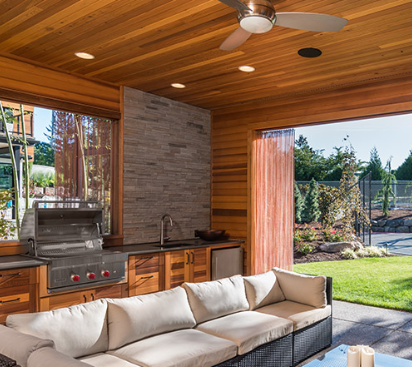
Many outdoor kitchens in Fort Worth fall short because they overlook key details like layout and materials. You want a space that works well, looks great, and lasts for years. Texas Patio and Fence builds custom outdoor kitchens that get every part right—from design to installation—making your outdoor cooking space a true extension of your home. Read on to learn how to plan your perfect outdoor kitchen and why we’re Fort Worth’s trusted choice.
Expert Tips for Outdoor Kitchens
Creating an outdoor kitchen that stands the test of time requires careful planning. The right materials, smart layout, and custom touches make all the difference in how much you’ll enjoy your space.
Choosing Quality Materials
The materials you select for your outdoor kitchen determine both its look and lifespan. Fort Worth weather demands tough, weather-resistant options that won’t crack, fade, or warp under the Texas sun.
Natural stone countertops like granite resist heat damage and won’t crack when exposed to temperature changes. They’re perfect for placing hot pans directly from your grill. Stainless steel appliances with a grade of 304 or higher provide the best protection against rust and corrosion in our humid summers.
Wood elements add warmth but need proper treatment. Cedar and teak naturally resist insects and moisture, making them smart choices for cabinet frames and accent pieces. For flooring, stamped concrete offers the look of stone with better durability and less maintenance than pavers.
Remember that saving money on materials often costs more in the long run. Quality materials might add to your upfront budget but will save you from frequent repairs and replacements.
Functional Layout Designs
A well-designed outdoor kitchen layout makes cooking easier and entertaining more fun. The key is planning your space around how you’ll actually use it.
Start with the basic work triangle—connecting your grill, sink, and refrigerator with easy access between all three. This simple concept keeps you from constantly crossing your cooking area while preparing meals. For larger kitchens, create distinct zones for cooking, prep work, and serving.
Counter space matters more than most people realize. Plan for at least 24 inches on either side of your grill and 18 inches near other appliances. This gives you room to work without feeling cramped.
Don’t forget about traffic flow. Leave at least 48 inches between counters for people to pass through comfortably. If your kitchen includes seating, position it where guests can chat with the cook without blocking the workflow.
Customization for Fort Worth Homes
Your outdoor kitchen should reflect your personal style and specific needs while working with your property’s unique features. Cookie-cutter designs rarely make the best use of your space.
Consider your cooking preferences first. If you love smoking brisket, build in a dedicated smoker area with proper ventilation. For pizza enthusiasts, a stone pizza oven becomes the centerpiece. Your cooking habits should drive the design, not the other way around.
Weather protection matters in Fort Worth. Building your kitchen under an existing patio cover provides shade and protection from rain. For open designs, pergolas with retractable canopies offer flexibility for sunny or rainy days.
Lighting transforms how you use the space. Combine task lighting over cooking areas with ambient lighting for dining spaces. Adding dimmers lets you adjust the mood from bright food prep to relaxed evening gatherings.
Planning Your Outdoor Kitchen
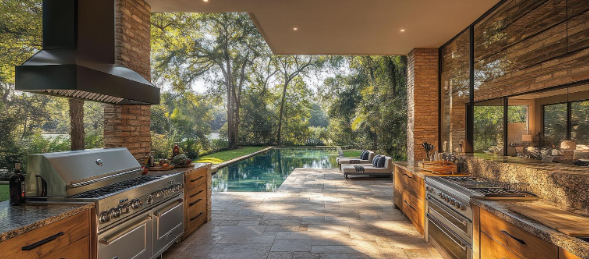
Taking time to plan properly saves headaches later. From initial design to final touches, each decision impacts how much you’ll enjoy your outdoor kitchen for years to come.
Key Design Considerations
Before breaking ground, think about how your outdoor kitchen will connect with your home’s interior and existing outdoor spaces. This connection affects everything from utility placement to overall flow.
Proximity to your indoor kitchen matters. Placing your outdoor kitchen near your indoor one makes it easier to transport food and supplies between spaces. Consider installing a pass-through window for even better connectivity.
Utilities require early planning. Running gas, water, and electrical lines becomes much more expensive after construction begins. Map out where each utility needs to go based on your appliance layout.
Wind patterns affect smoke from grills and fire features. Position cooking areas where prevailing winds won’t blow smoke toward seating areas or into your home. This simple step prevents a common complaint about outdoor kitchens.
Size your kitchen based on how many people you typically entertain. For intimate family dinners, a compact L-shaped design works well. For frequent large gatherings, consider a U-shaped layout with a separate bar area for guests.
Installation Timelines Explained
Understanding the timeline for building your outdoor kitchen helps set realistic expectations and plan around your schedule. Most custom projects follow a similar pattern.
The design phase typically takes 2-3 weeks. This includes site evaluation, creating initial concepts, and finalizing plans based on your feedback. Taking time here prevents costly changes later.
Permit approval varies by neighborhood. In Fort Worth, expect 1-2 weeks for standard permits, though some areas with strict HOA requirements might take longer. We handle this paperwork for you.
Construction for a basic outdoor kitchen usually runs 3-4 weeks. More complex designs with custom features might extend to 6-8 weeks. Weather can affect this timeline, especially during rainy seasons.
Utility installation happens early in the process. Gas, water, and electrical work must pass inspections before moving forward, which sometimes adds a few days to the schedule.
Final touches like sealing surfaces and installing appliances take about a week. We don’t rush this stage, as proper finishing protects your investment for years to come.
Maintenance Tips for Longevity
With proper care, your outdoor kitchen can last decades without major repairs. Simple maintenance routines protect your investment and keep everything looking fresh.
Clean surfaces after each use. Wipe down countertops with appropriate cleaners for your material—mild soap for most stone, specialized products for concrete. This prevents stains from setting in and becoming permanent.
Cover appliances when not in use. Quality covers protect against dust, pollen, and moisture. This is especially important for grills and refrigerators during pollen season or when you won’t use the kitchen for extended periods.
Inspect gas lines yearly for leaks. Apply soapy water to connections and look for bubbles that indicate escaping gas. This five-minute check prevents dangerous situations and expensive repairs.
Seal porous surfaces annually. Concrete, some stones, and wood elements need regular sealing to prevent water damage. Mark this on your calendar as a spring maintenance task before heavy use begins.
Check drainage after heavy rains. Water should never pool around your kitchen. If you notice standing water, address grading issues promptly to prevent foundation damage.
Texas Patio and Fence Advantage
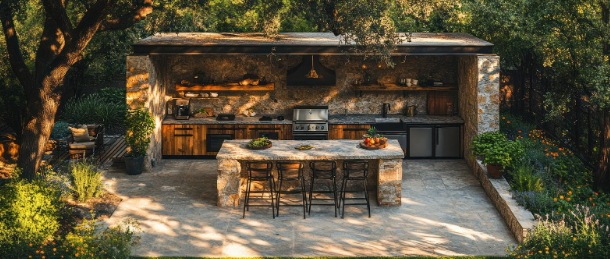
What makes our outdoor kitchens stand out from others in Fort Worth? It comes down to attention to detail, proven processes, and a track record of happy customers.
Craftsmanship and Expertise
Our team brings decades of combined experience to every project. This expertise shows in the small details that make a big difference in how your outdoor kitchen functions and lasts.
We start with proper foundations. Unlike companies that build directly on existing patios, we assess whether the base can truly support the weight of stone, appliances, and daily use. When needed, we reinforce foundations to prevent settling and cracking.
Our masonry work sets us apart. Our skilled craftsmen hand-cut stone for perfect fits around outlets and appliances. This precision creates a finished look that prefabricated kitchens simply can’t match.
We think about the details others miss. Proper pitch for drainage on countertops, sealed edges where materials meet, and weatherproof electrical boxes might seem minor, but they prevent common problems that plague poorly built outdoor kitchens.
Looking at design inspiration on Houzz can help you visualize possibilities, but our team translates these ideas into practical, buildable plans that work specifically for your Fort Worth home.
Trusted Installation Process
Our structured approach to building outdoor kitchens removes the stress and uncertainty many homeowners feel during construction projects. We follow clear steps that keep you informed throughout.
The process begins with a detailed site assessment. We measure your space, check existing utilities, note drainage patterns, and discuss how you plan to use your kitchen. This information shapes every decision that follows.
You’ll receive 3D renderings before construction starts. These detailed visuals help you see exactly how your finished kitchen will look and function, allowing for adjustments before building begins.
We assign a dedicated project manager to your job. This person serves as your single point of contact, answering questions and providing updates throughout the construction process. No more calling multiple people for answers.
Our crews arrive on time and clean up daily. We respect that construction happens at your home, not just a worksite. Our team minimizes disruption to your daily life while maintaining a safe, tidy project area.
Final walkthrough ensures everything meets our standards and your expectations. We test all appliances, check all connections, and make sure you understand how to operate and maintain every feature of your new outdoor kitchen.
Customer Success Stories
The true measure of our work comes from the experiences of Fort Worth homeowners who enjoy their outdoor kitchens every day. Their stories highlight what matters most.
The Johnsons in Westover Hills doubted they had enough space for a functional outdoor kitchen. Our design team created a compact L-shaped layout that maximized their patio corner. Now they host weekly family cookouts in a space they thought was too small to use.
For the Martinez family in Fairmount, integrating their outdoor kitchen with an existing pool area was the challenge. We designed a kitchen that serves as a natural transition between their pool and lawn, with easy access to both areas. Their outdoor entertaining space now flows naturally from cooking to swimming to relaxing.
The Williamses needed their outdoor kitchen to withstand heavy use. As avid entertainers who host gatherings almost weekly, durability was their top concern. Three years after installation, their kitchen still looks new despite constant use through all seasons.
Many clients tell us the same thing: their outdoor kitchen quickly becomes the most-used area of their home. What starts as a luxury addition becomes an essential part of daily life, especially during Fort Worth’s long outdoor living season.
Frequently Asked Questions
When planning your outdoor kitchen, questions naturally arise. Here are straight answers to the most common concerns we hear from Fort Worth homeowners.
Costs and Budgeting
Understanding the investment range for outdoor kitchens helps you plan realistically. Costs vary based on size, materials, and features, but some guidelines apply to most projects.
Basic outdoor kitchens with quality construction typically start around $12,000 in Fort Worth. This includes a built-in grill, small countertop area, and simple storage. These kitchens function well but offer limited features.
Mid-range projects fall between $20,000-$35,000. At this price point, expect stone countertops, a refrigerator, more extensive storage, and perhaps a sink with running water. These kitchens balance cost with functionality for most families.
Premium outdoor kitchens range from $40,000 upward. These include high-end appliances, extensive counter space, pizza ovens, bar seating, and custom features. They often include roof structures or pergolas as well.
Financing options can make your dream kitchen more accessible. Many homeowners use home equity lines of credit, which may offer tax advantages. We also partner with financing companies offering competitive rates specifically for outdoor living projects.
Remember that a well-built outdoor kitchen adds real value to your home. Most Fort Worth homeowners recoup 70-80% of their investment in increased property value.
Permits and Legal Requirements
Navigating permits and regulations ensures your project proceeds smoothly without costly delays or penalties. Fort Worth has specific requirements for outdoor kitchens.
Building permits are required for most outdoor kitchens in Fort Worth. The exact requirements depend on whether you’re running new utility lines, how close the kitchen sits to property lines, and whether you’re adding electrical or plumbing components.
HOA approval often takes longer than city permits. If your neighborhood has an HOA, submit plans early in the process. Some associations have specific rules about outdoor structures’ appearance, height, and placement.
Gas line installation requires special permits and inspections. Licensed professionals must install gas lines, and the work must pass city inspection before use. We handle these details as part of our service.
Electrical work must meet outdoor safety codes. This includes proper GFCI outlets, weatherproof covers, and appropriate wiring for outdoor conditions. Cutting corners here isn’t just illegal—it’s dangerous.
Setback requirements specify how far structures must be from property lines. In Fort Worth, these typically range from 5-10 feet depending on your zoning. We verify these requirements before finalizing any design.
Addressing Common Concerns
Beyond costs and regulations, practical questions about outdoor kitchens deserve clear answers. Here’s what Fort Worth homeowners often ask us.
Weather protection options vary based on your needs. Full roofs provide complete protection but cost more. Pergolas with retractable canopies offer flexibility. For budget-conscious projects, strategically placed cabinets and covers protect essential components while leaving some areas open.
Winter use is possible with proper planning. Adding a fireplace or heat lamps extends your outdoor season. Proper drainage prevents freeze damage to plumbing, and insulated cabinets protect pipes during cold snaps. Many Fort Worth families use their outdoor kitchens year-round with these features.
Construction disruption is minimal for most projects. Typical outdoor kitchens take 3-6 weeks to complete, with the most disruptive work happening during the first two weeks. We create a schedule that minimizes impact on your daily routine.
Pest prevention starts with smart design. Tightly sealed cabinets, proper drainage, and easy-to-clean surfaces discourage insects. We can also incorporate screens for dining areas if mosquitoes are a concern in your neighborhood.
Future expansion is easier when planned from the start. If your budget doesn’t allow for your dream kitchen immediately, we can design a phased approach. This includes proper utility placement and foundation work to support future additions without tearing out existing elements.
Your outdoor kitchen should be a perfect match for how you live, cook, and entertain. At Texas Patio and Fence, we build custom outdoor kitchens that become the heart of your outdoor living space. From initial design through final installation, our team handles every detail with care and craftsmanship that stands the test of time. When you’re ready to create your perfect outdoor kitchen in Fort Worth, our team is ready to bring your vision to life.