
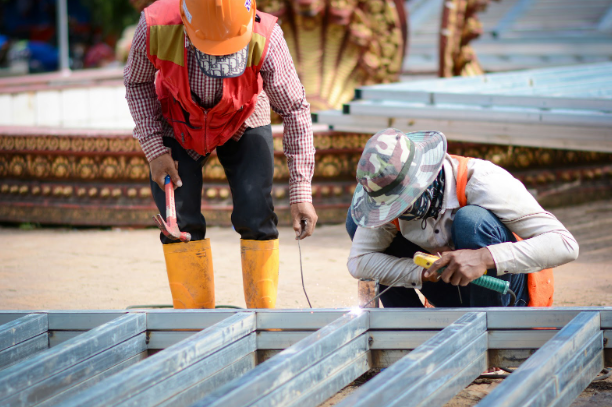
Finding the right Fort Worth patio builders can feel like sorting through endless options with no clear direction. You want a patio that fits your style and stands up to Texas weather, but knowing where to start often slows the process down. This guide breaks down what patio construction involves, what questions to ask when choosing a patio contractor, and what to expect every step of the way. For inspiration on custom designs, check out how Fort Worth homeowners are upgrading their patios.
Understanding Patio Builders
Patio builders bring your outdoor vision to life, turning empty spaces into functional areas where memories are made. Let’s explore what these professionals actually do and how they can help transform your backyard.
Services Offered by Patio Builders
Fort Worth patio builders offer far more than just concrete slabs. The best contractors provide complete outdoor living solutions tailored to your needs and property.
Most patio companies handle design services, helping you plan the perfect layout for your space. This might include 3D renderings so you can see the finished product before work begins. Many builders also offer material selection assistance, guiding you through options like stamped concrete, pavers, natural stone, or brick.
Beyond basic patio construction, many Fort Worth builders create complete outdoor kitchens, fire pits, pergolas, and shade structures. Some even tackle related projects like retaining walls, outdoor lighting, and drainage solutions to make sure your new patio works perfectly with the rest of your property.
Full-service patio builders can also manage permits and inspections, saving you time and preventing potential headaches with city regulations.
What Patio Builders Do
Professional patio builders handle every aspect of creating your outdoor space, from the first sketch to the final inspection.
The process starts with site evaluation. Builders assess your yard’s slope, soil condition, and existing features to create a plan that works with your property. They identify potential challenges like drainage issues or underground utilities before construction begins.
Once planning is complete, builders prepare the site by removing grass, setting proper grades for drainage, and creating a stable base. This foundation work is critical but often invisible in the finished project. A rushed or poorly executed base leads to cracking, sinking, and other problems down the road.
The actual construction phase involves precise cutting and fitting of materials, proper jointing techniques, and careful attention to details like expansion gaps and edge restraints. Professional builders know exactly how materials behave in Texas heat and how to prevent common issues that plague DIY projects.
Types of Patios Available
Your choice of patio style and materials shapes both the look and function of your outdoor space. Fort Worth homeowners have several excellent options to consider.
Concrete patios remain popular for their durability and value. Basic concrete provides a clean, modern look, while stamped concrete mimics the appearance of more expensive materials like stone or brick at a fraction of the cost. Color options range from subtle earth tones to bold custom hues.
Pavers offer unmatched versatility and come in concrete, brick, or natural stone varieties. The individual pieces create interesting patterns and allow for easy repairs if damage occurs. Many Fort Worth homes feature pavers for their classic appeal and ability to complement various architectural styles.
Natural stone patios, while more expensive, provide unmatched beauty with materials like limestone, sandstone, or flagstone. Each stone has unique coloring and texture, creating a truly one-of-a-kind patio. These materials stay cool underfoot even during hot Texas summers.
Brick patios bring timeless charm and exceptional durability. The small units allow for curved designs and interesting patterns that larger materials can’t achieve.
Choosing the Right Contractor
Finding the perfect patio builder makes all the difference in your project’s success. The right professional turns your ideas into reality while making the process smooth and stress-free.
Key Qualities to Look For
The best Fort Worth patio builders share certain traits that set them apart from average contractors. Knowing these qualities helps you spot true professionals.
Look first for proper licensing and insurance. Legitimate builders carry general liability insurance to protect your property and workers’ compensation for their team. Ask to see proof of both before signing any contracts. This simple step screens out many questionable operators.
Experience with Texas conditions matters tremendously. Fort Worth’s climate demands specific building techniques to handle temperature swings, heavy rains, and occasional freezes. Builders who’ve worked locally for years understand these challenges and build accordingly.
Clear communication signals a professional operation. Great builders listen carefully to your needs, explain options in plain language, and keep you updated throughout the project. They answer questions promptly and document everything in writing.
Detailed contracts protect both parties and show a builder’s professionalism. Look for specifics about materials, timeline, payment schedule, and warranty coverage. Vague proposals often lead to misunderstandings and disputes later.
Check what past customers say about working with the company. Look beyond star ratings to read actual reviews on platforms like Yelp, where customers share their real experiences.
Questions to Ask Potential Contractors
Smart questions help you quickly separate quality patio builders from those you should avoid. Ask these questions during your initial meetings.
“How long have you been building patios in Fort Worth?” Experience matters, especially local experience with our specific soil and climate conditions. A builder with 10+ years in the area likely understands local challenges.
“Can you share addresses of patios you’ve built in the last year?” Good builders happily provide references and locations of recent work. Drive by these properties to see their craftsmanship firsthand.
“What materials do you recommend for my specific situation and why?” Their answer reveals their knowledge and whether they customize solutions or use one-size-fits-all approaches.
“How do you handle drainage issues?” This technical question shows if they understand one of the most critical aspects of patio construction. Proper drainage prevents water damage to both the patio and your home.
“What does your warranty cover and for how long?” Quality builders stand behind their work with meaningful warranties, not vague promises. Get warranty details in writing.
“Who will supervise my project daily?” Know who makes decisions on-site and how often the owner or project manager checks the work.
Evaluating Contractor Portfolios
A contractor’s past work tells you more than their words ever could. Here’s how to evaluate portfolios effectively.
Request to see photos of completed projects similar to what you envision. Look for consistent quality across multiple projects rather than just one showcase example. Pay attention to details like clean edges, even jointing, and thoughtful integration with existing structures.
Ask about projects from 3-5 years ago, not just recent work. This reveals how well their patios hold up over time. Some materials look great when new but deteriorate quickly without proper installation techniques.
When reviewing before-and-after photos, note how contractors handled challenges like slopes, existing trees, or unusual spaces. Creative problem-solving shows true expertise.
Visit at least one completed project in person if possible. Photos can be deceiving, but seeing the actual work lets you check craftsmanship up close. Notice how the patio fits with the home and whether the proportions feel right.
Don’t just look at the patio itself, examine transitions between different areas and materials. Smooth transitions between your home, patio, and yard require skilled planning and execution.
The Patio Construction Process
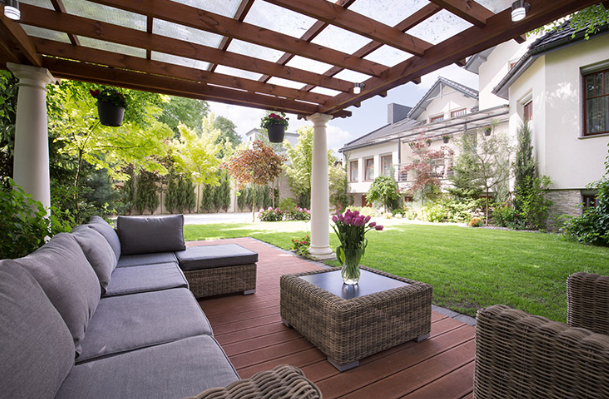
Understanding each step of the patio building process helps you plan better and know what to expect as your project unfolds.
Initial Consultation and Design
The first meeting with your patio builder sets the foundation for everything that follows. This crucial planning phase determines both the look and function of your new space.
During the initial consultation, your builder will walk your property, take measurements, and discuss your vision. Be ready to share how you plan to use the space, for dining, entertaining, or relaxing, as this shapes the design. Bring inspiration photos or ideas you’ve collected to help communicate your style preferences.
Most professional builders use this information to create a concept design, which might include sketches or 3D renderings. This visual representation helps you see how the finished patio will look and function in your specific yard. Don’t hesitate to request changes at this stage, it’s much easier to adjust a drawing than a completed patio.
The design phase also includes material selection. Your builder should show you samples of pavers, stones, or concrete finishes to help you make informed choices. Consider how these materials look with your home’s exterior and how they perform in Fort Worth’s climate.
By the end of this phase, you’ll have a detailed plan and cost estimate for your approval before any construction begins.
Building and Installation Steps
Once your design is finalized, the physical work of creating your patio follows a specific sequence to ensure quality and durability.
The process starts with marking the patio area and carefully removing existing grass, plants, or structures. Many homeowners are surprised by how much preparation work happens before any new materials appear. This site prep typically takes 1-3 days depending on your yard’s condition.
Next comes excavation to the proper depth, which varies based on your chosen materials and local soil conditions. In Fort Worth, builders typically dig 6-10 inches below the finished grade to allow room for a solid base. This stage might reveal unexpected issues like poor drainage or unstable soil that need addressing.
Base preparation follows excavation. Your builder will add layers of crushed stone or gravel, compacting each layer thoroughly. This hidden foundation prevents settling and cracking later. Quality builders never rush this critical step, even though it’s invisible in the finished project.
Only after proper base preparation does the visible work begin, laying pavers, pouring concrete, or setting stone. This phase shows dramatic daily progress as your patio takes shape. The final steps include adding edge restraints, filling joints between pavers, or applying sealants to protect your investment.
Throughout construction, expect regular communication from your builder about progress and any decisions needed along the way.
Final Walkthrough and Quality Checks
The completion of your patio isn’t marked by the last stone being laid, it’s when you’re completely satisfied with every aspect of the work.
Professional Fort Worth patio builders conduct thorough quality checks before considering a project finished. They inspect for consistent joint widths, proper drainage slope, secure edge restraints, and clean transitions between materials. Many use levels and other tools to verify that everything meets industry standards.
During your final walkthrough, the builder should point out key features and explain any maintenance requirements. This is your opportunity to ask questions and identify any areas that need attention. Don’t rush this inspection, take time to look at details from different angles and in various lighting conditions.
A complete project includes site cleanup and restoration of any disturbed areas around the new patio. Your yard should be left neat with construction debris removed and affected lawn areas raked and ready for recovery.
Before making your final payment, confirm that all aspects of your contract have been fulfilled. This includes any permits being closed out properly with the city. Ask for written warranty information and care instructions for your specific patio materials.
Enhancing Outdoor Living Spaces
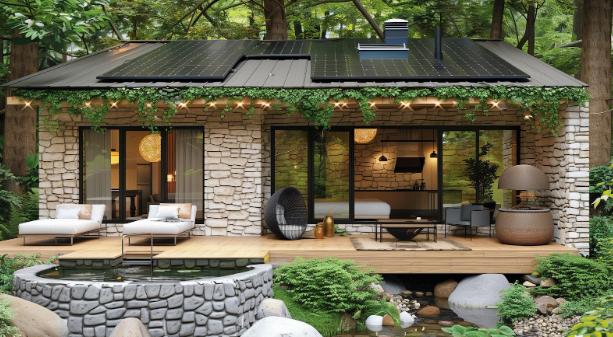
Your new patio creates the foundation for a complete outdoor living area. The right additions turn this space into a true extension of your home.
Popular Patio Design Trends
Fort Worth homeowners are embracing several exciting trends that make patios more functional and beautiful year-round.
Outdoor rooms have become the standard rather than just basic patios. These defined spaces include cooking areas, dining sections, and lounging spots, each with specific furnishings and features. This zoned approach makes large patios feel more intimate and purposeful.
Fire features rank among the most requested additions to Fort Worth patios. Fire pits and fireplaces extend your outdoor season into cooler months and create natural gathering spots. Built-in versions offer safety advantages over portable units and can be designed to match your patio materials.
Shade structures have evolved beyond basic umbrellas. Pergolas with retractable canopies, solid roof pavilions, and custom awnings protect from both sun and rain. Many Fort Worth families add fans or misting systems to these structures for extra comfort during summer heat.
Water features bring soothing sounds and visual interest to outdoor spaces. Options range from simple fountain bowls to elaborate cascading waterfalls built into retaining walls. The sound of water creates a peaceful atmosphere that masks neighborhood noise.
Outdoor kitchens continue gaining popularity, with designs moving beyond just grills to include refrigerators, sinks, storage, and specialized cooking equipment. These kitchens keep hosts connected with guests rather than running back and forth to the house.
Integrating Outdoor Furniture and Decor
The right furnishings transform your patio from an empty space to a welcoming retreat. Smart selections make all the difference in comfort and style.
Start with quality, weather-resistant furniture built for outdoor use. Look for powder-coated aluminum frames, marine-grade fabrics, and all-weather wicker that stand up to Texas sun and occasional storms. These materials might cost more initially but save money over time by avoiding yearly replacements.
Create conversation areas with seating arranged in groups rather than lined against walls. Position chairs and sofas to face each other, with tables within easy reach. The goal is comfortable interaction without awkward stretching or shouting across spaces.
Add layers of lighting for both function and atmosphere. Combine overhead lights for general illumination, task lighting near cooking or dining areas, and accent lighting to highlight